Published the new list of electric cars with aid from the Auto+ Plan 2026

The Auto+ Plan has just opened the application period for grants that can reach up to 4,500 euros for electric and hybrid cars with a ZERO label. This new initiative from the Ministry of Industry aims to promote vehicles manufactured and assembled in the European Union, with particular attention to the batteries.
More than 130 models and 28 brands meet the electric, economic, and European criteria to access these grants. But, as always, the list has its subtleties and conditions that must be known in order not to miss anything.
What is the Auto+ Program White List and Why Does It Matter?
The white list published by the Ministry of Industry establishes the vehicles that meet the EEE criterion: electric, economic, and European. This means that the car and the battery must be assembled within the European Union to access the full grant.
For private buyers, this implies aid of 4,500 euros, while for freelancers and small businesses the amount rises up to 6,000 euros. Plug-in hybrids meeting this criterion receive up to 3,375 euros.
Which models top the white list?
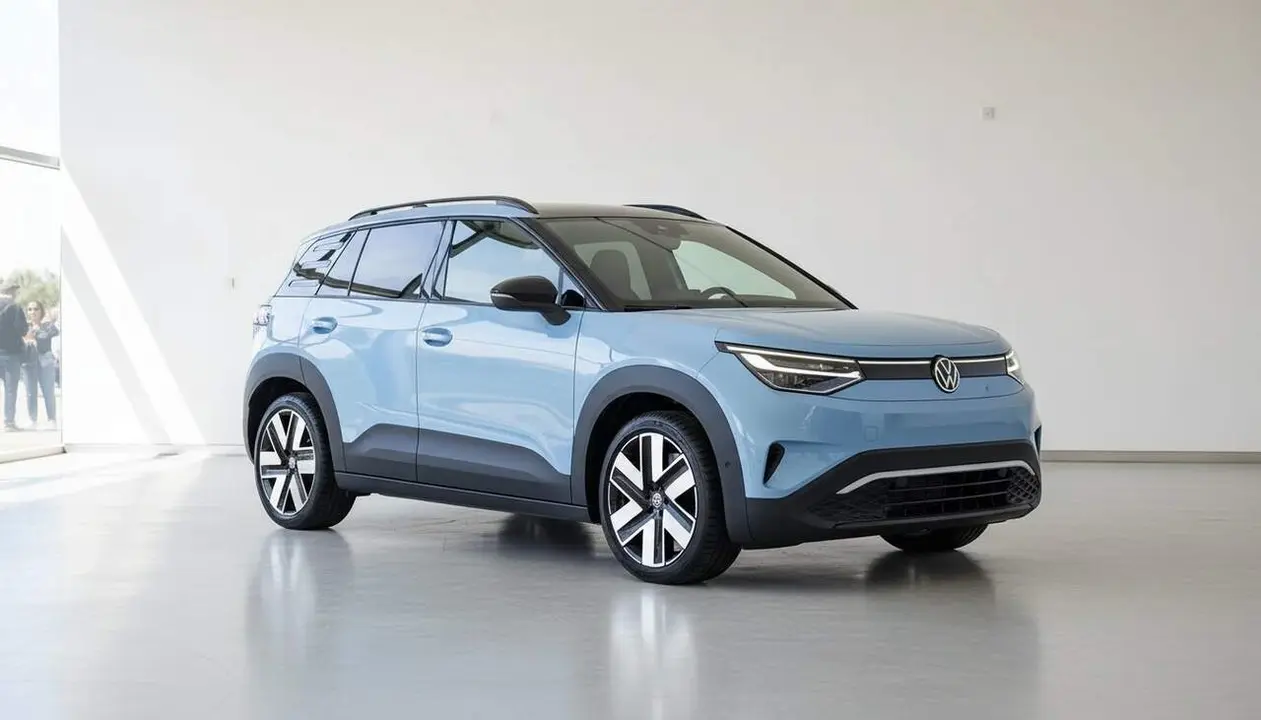
Brands such as Volkswagen, Renault, BMW, and Cupra have several models on the white list. For example, the Volkswagen ID. Cross manufactured in Navarra or the Renault Twingo E-Tech are two vehicles that meet the EEE criterion.
This implies that not only are they assembled in Europe but the battery is also manufactured or assembled here, which guarantees access to the full aid.
What happens with vehicles that do not meet the European criterion?
Electric or hybrid cars that do not meet the European criterion can only receive a proportional part of the aid, as they do not fulfill the European assembly requirement of the battery.
For example, models with European assembly but with a battery outside the EU will obtain 90% of the aid, but not the entirety.
How does the new list affect consumers and companies?
This regulation forces consumers to pay attention to the white list before buying an electric vehicle to ensure they will be able to access the maximum aid.
Companies and freelancers will have to wait until after the summer to request their grants, which may influence purchase decisions and fleets.
How will the white list be updated?
The Ministry of Industry plans to add models to the list as manufacturers provide information about assembly in the European Union.
This implies that the list can grow and that some models currently excluded may enter in the near future.
Which brands and models stand out for meeting the EEE criterion?
Among the most notable are:
- Volkswagen ID.3, ID.4, ID.5, and ID.7
- Renault R5 E-Tech, R4 E-Tech, Megane E-Tech, and Scenic E-Tech
- BMW with 21 hybrid and electric models
- Cupra Born and Raval
- Ford Puma Gen-E
This variety confirms that the European market is strongly betting on local manufacturing of electric and hybrid vehicles.
How are the aids organized according to the allocation criteria?
The grants are divided based on whether the vehicle and battery are assembled in the EU:
- 100% of the aid: Cars and batteries manufactured in the EU (full EEE criterion).
- 90% of the aid: Vehicles assembled in the EU but with battery outside the EU.
- Partial aid: Cars that only meet electrical and economic criteria, without European assembly.
This system seeks to reward the local industry and promote European production of key components.
What are the practical repercussions for the buyer?
The buyer who wants to access the maximum aid must verify that their preferred model is on the white list. If not, the aid will be lower and the purchase may not be worthwhile.
For this reason, transparency and updated information are key to avoid costly mistakes.
The reality is that the Auto+ Plan represents a unique opportunity to renew the fleet with more sustainable and locally manufactured vehicles, but you must be alert to take full advantage of it.
Brands that invest in European production, like Volkswagen, Renault, or BMW, clearly benefit from these aids.
Likewise, the Government’s decision to prioritize battery assembly in the EU highlights the strategic importance of this component for the future of mobility in our country.
In short, if you are looking for an electric or hybrid car, consulting the white list and the European manufacturing requirements will be as necessary as test-driving the vehicle before buying it.
The future of sustainable mobility grants goes through this, and those who do not adapt may be left out of the game.
⚠️ Maximum aid amount for freelancers and SMEs: €6,000
🏛️ Authority: Ministry of Industry and Tourism
📅 Effective date: August 4, 2026
The key is to verify if your model and its battery were assembled in the European Union to access the full subsidy. Time and updated information will make the difference for consumers and companies who want to take advantage of the Auto+ Plan.
The Government has laid its cards on the table and now it’s a matter of being well informed and agile.
Brands that move fast and offer vehicles with the EEE criterion will be the ones to succeed in 2026.
As always, the devil is in the details.
Don’t fall behind.
The Auto+ Plan has arrived to stay, but only for those who comply with the European rules of the game.
Now we just need to see who knows how to play them best.
Be smart and ready.
Finally, the Auto+ Plan and its white list mark a before and after in sustainable mobility in Spain. More than just a grant program, it is a statement of intent by the sector and the administration for a greener and closer future.
Frequently Asked Questions
- What is the Auto+ Program white list?
- It is the official registry of electric and hybrid vehicles that meet the manufacturing and European assembly criteria to access the full grants of the Auto+ Plan.
- When can companies and freelancers apply for the grants?
- Companies and freelancers will be able to apply for the grants after the summer of 2026, according to Government forecasts.
- What is the difference between a vehicle with a battery assembled in the EU and one without?
- Vehicles with batteries assembled in the EU can access the full aid, while those that do not meet this requirement receive only 90% or less of the aid depending on other criteria.