How voice assistants help combat unwanted loneliness in elderly people

Voice assistants are more than just technological devices: they are a window of support and companionship for many elderly people living alone. In Spain, where over 21% of the population is over 65 years old, these devices, together with social activities, offer an effective solution to combat unwanted loneliness.
But what makes a voice assistant more than just technology? In Zamora, the oldest province, projects like Voces en Red promote the connection between elderly people and technology with a human touch that changes lives.
The value of technology for the elderly
Why does it matter to older users?
Elderly people often face loneliness and difficulty accessing information or easy communication. The voice assistant offers a solution that adapts to their needs, facilitating interaction without technical complexities. This helps maintain their autonomy and makes them feel accompanied in their daily lives.
How does this support translate into practice?
For example, Pura Pérez, a 93-year-old woman from Zamora, uses Alexa to know the weather forecast, search for recipes, do exercises, or listen to old music. She also makes video calls with her family through a tablet, overcoming the barriers of distance and the small mobile screen.
The human accompaniment behind the technology
How is the device complemented by social companionship?
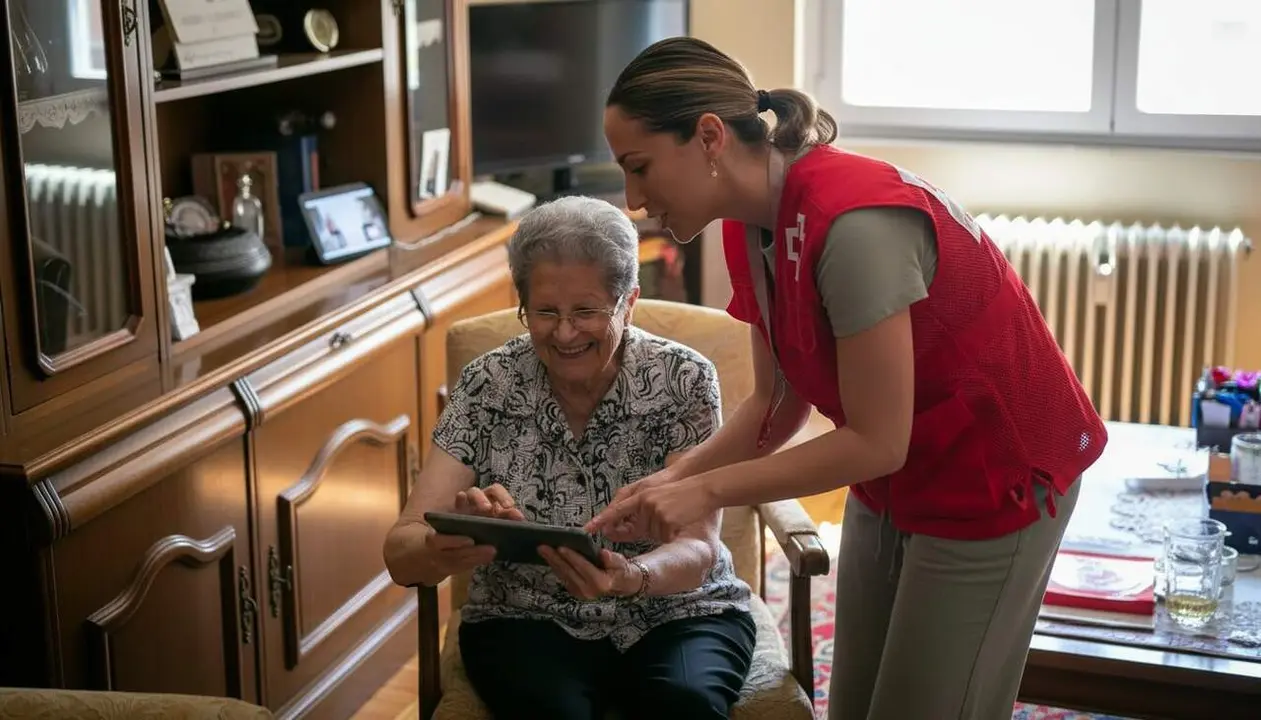
The Voces en Red project not only installs voice assistants but also accompanies elderly people through group activities that encourage participation and social relationships. This approach helps alleviate unwanted loneliness, as technology never replaces human contact, but rather strengthens it.
What activities reinforce this social network?
The activities include city routes, visits to natural spaces, cooking workshops, easy reading, gerontogymnastics, and movie afternoons. These experiences allow participants, like Pura, to make friends and maintain bonds beyond the courses, meeting regularly to share moments.
Overcoming the fear of technology to improve life
What is the main barrier for elderly users?
The initial fear of not knowing how to use a device is common. But with technical support and training, these fears dissipate quickly. Voice assistants work by voice, avoiding the need to use menus or small screens, making technology more accessible and intuitive.
How is proper use and maintenance guaranteed?
Technicians and volunteers visit homes to install the devices and provide training. If there are problems, the user can contact the Red Cross for help. Additionally, practical workshops are held to resolve doubts and encourage continuous learning.
| Province | Percentage of people over 65 | Devices installed |
|---|---|---|
| Zamora | 32.2% | 481 |
| Orense | 32.1% | Data not available |
| Lugo | 30.1% | Data not available |
| León | 29% | Data not available |
The technology of voice assistants, when integrated with human and community support, becomes a valuable resource for the elderly. It improves autonomy, allows maintaining family and social bonds, and reduces the feeling of loneliness. But above all, it opens the door to new ways of relating that combine the best of technology and human warmth.
Projects that combine technology and social support, like Voces en Red, demonstrate that the solution is not just a device, but the sum of listening, learning, and human contact. This way, bonds are built that strengthen elderly people and help them live this stage with more energy and joy.
Therefore, if you know an elderly person living alone, do not hesitate to suggest they try these tools and activities. Technology may seem cold, but well accompanied, it transforms into an ally that makes life easier and less lonely.
Frequently Asked Questions
- How does a voice assistant help combat loneliness in elderly people?
- It allows elderly people to access information, make video calls, and receive vocal companionship, facilitating communication and daily autonomy.
- What support complements the use of voice assistants in projects like Voces en Red?
- Group activities, workshops, and visits from technicians that encourage social participation and resolve technical doubts during device use.
- What are the main challenges for elderly people when adopting this technology?
- The initial fear of not knowing how to use it quickly dissolves with training and support, especially because the interaction is by voice, which facilitates use.