Rephotography workshop in Tarragona to rethink heritage
A laboratory driven by URV has focused on Tarragona in the practice of rephotography to analyze the local visual heritage. This initiative combines research, creation, and critical perspective through historical and contemporary photographs.
The project has allowed students and external participants to explore how memory and territory change over time, while constructing new visual narratives that directly dialogue with the reality of the province.
The visual rephotography laboratory: a project with Tarragona roots
What is rephotography and why is it of interest in Tarragona?
Rephotography consists of returning to the exact place where an old photograph was taken to capture change or continuity in the territory. In Tarragona, this practice serves to better understand how visual memory transforms the urban and rural landscape and to question the official narratives of the past.
Participants analyze images from historical, family, and artistic archives to reconstruct a more contemporary and critical view of the local visual heritage.
How has the project been organized at URV?
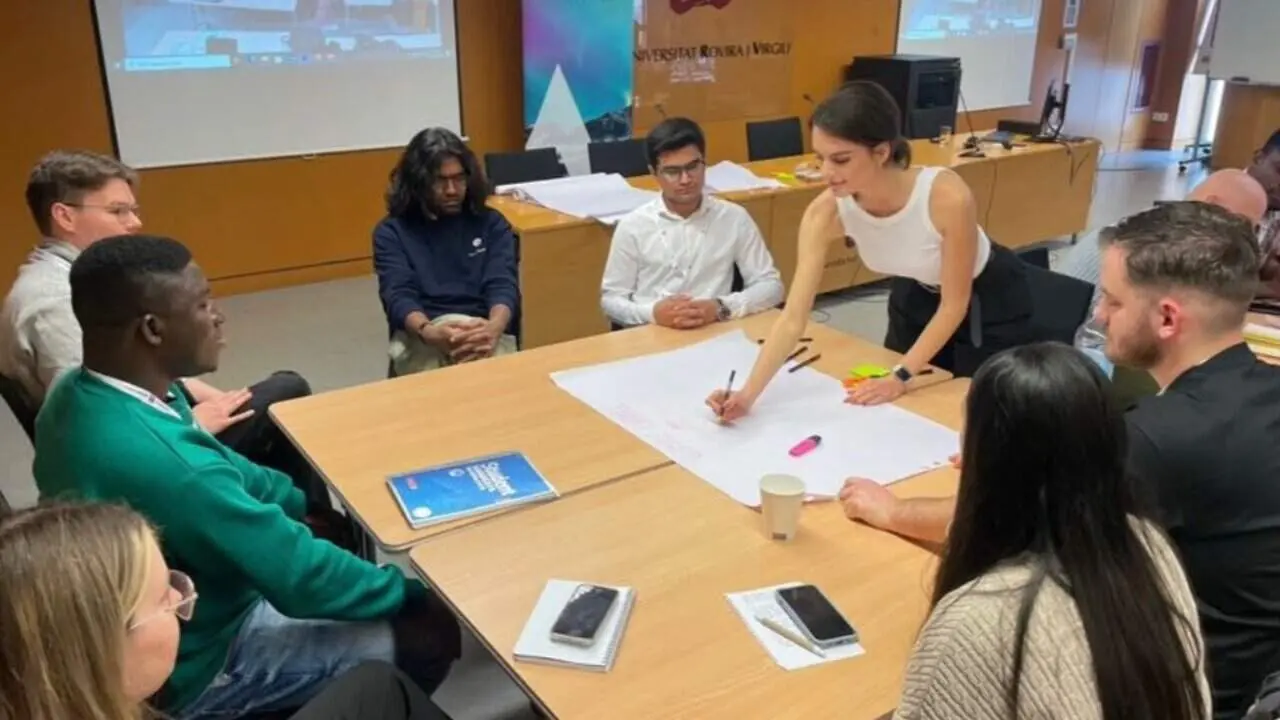
The Visual Rephotography Laboratory has been developed within the framework of the Cinema and Cultural Heritage course at Rovira i Virgili University, supported by the Cinema and Audiovisual Arts Classroom and the Tarragona Provincial Council.
For months, students and external individuals have developed personal projects combining research, critique, and visual creation, guided by industry professionals such as Ricard Martínez and Vanina Hofman.
Projects that tell Tarragona’s story from the past and present
How do the projects reflect social and territorial changes?
A standout example is the work of Alex Robre, who contrasts an old photograph of a street in his town with a current image, raising questions about social transformation and the concept of progress in the Tarragona province.
This staged visual dialogue raises doubts about how we inhabit the territory and which cultural values are maintained or lost.
What other local perspectives have been explored?
Naroa Pamies has worked with family photographs provided by neighbors, highlighting the more intimate collective memory that often remains outside the official archives of Tarragona.
On the other hand, Ginesta Palau has reflected on the loss of heritage in Garrotxa, through images of disappeared cabins, showing how absences also form part of the cultural landscape.
Impact and continuity of the laboratory in Tarragona
Where can the results of this initiative be seen?
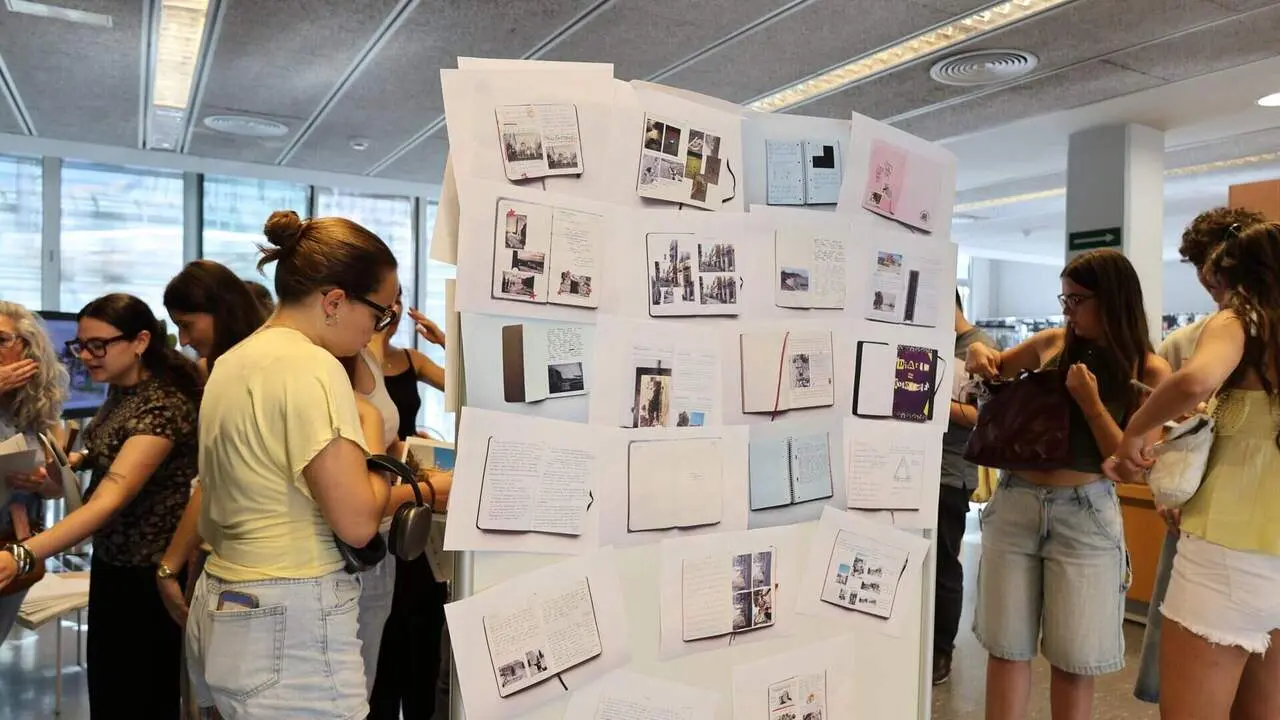
The developed projects are currently exhibited at the CRAI Catalunya campus in Tarragona and have been compiled in a publication documenting the entire creative and research process.
These materials are advised by Photo Km 0 and receive institutional support from the Tarragona Provincial Council, strengthening the connection between academia and territory.
How can this project influence the local visual culture?
Rephotography proposes a powerful tool to critically view the visual culture and archives in Tarragona. This approach not only preserves memory but questions who controls the historical and visual narrative of the territory.
Ultimately, the laboratory opens the door to new ways of understanding and valuing heritage, with the attentive gaze of society and academia.
The practice of rephotography in Tarragona is not only an aesthetic exercise, but an act of denunciation and reflection on the transformation of the landscape and the collective memory that surrounds us. With these projects, URV places visual culture at the center as a living and critical element of local heritage.
Sources consulted
- Rovira i Virgili University – information about the rephotography laboratory and projects
Article source: Rovira i Virgili University