Sant Guim de Freixenet: the village that made 40 million eggs yearly
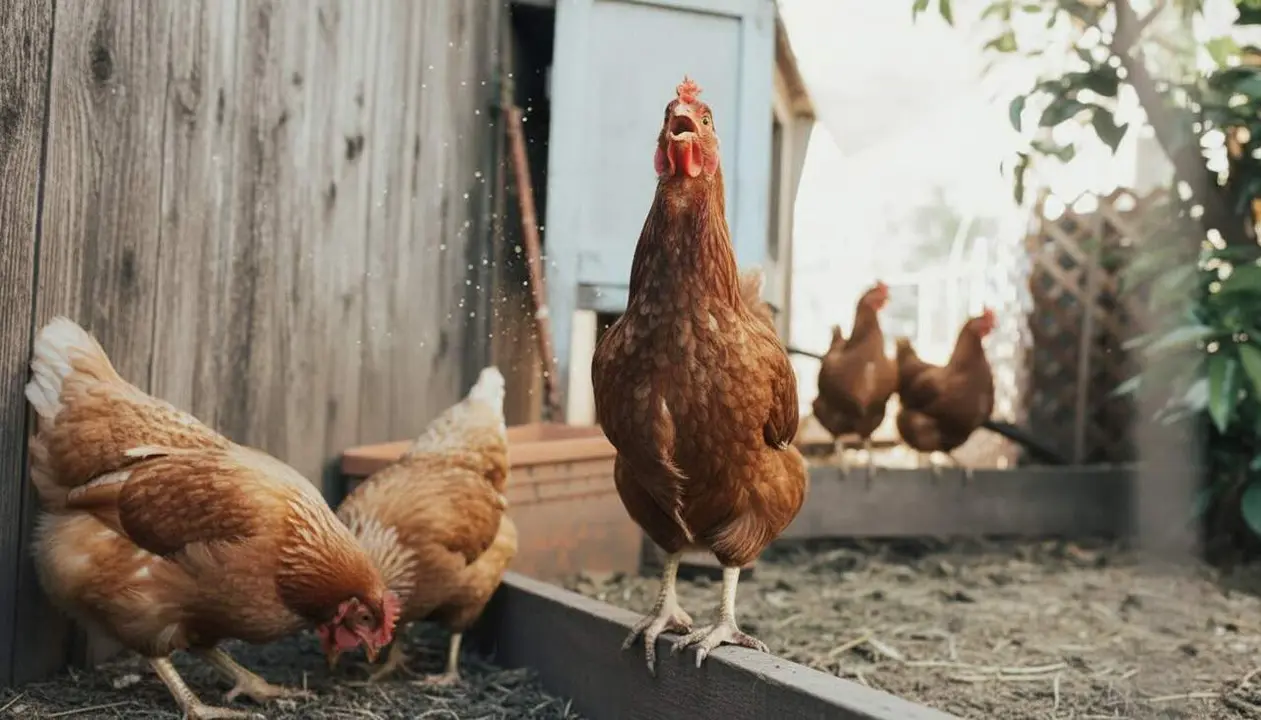

Sant Guim de Freixenet, located in the Segarra region of Lleida, has only 1,235 inhabitants according to the INE. Nevertheless, during the 60s and 70s, this small village became a giant in egg production, with figures few municipalities could match.
Its hen farms produced around 40 million eggs annually, a figure that still surprises experts and that transformed the local economy during those years.
Sant Guim de Freixenet: a village and its history with eggs
This volume of production was made possible thanks to the particular combination of agriculture and poultry farming that predominated, as explained by Mayor Francesc Lluch. Many residents combined their agricultural operations with hen farms, making these the true protagonists of the village.
The village’s fame exploded when a trader from Barcelona discovered the potential of Sant Guim’s eggs. Loaded trucks carried the eggs to the capital to satisfy a growing demand, which consolidated the village as a benchmark in Catalonia.
Why did Sant Guim stand out in egg production?
This dynamic emerged at a time when demand for eggs in Barcelona was rapidly growing. The perfect fit between local production and the urban market was key to the success.
The residents knew how to seize the opportunity brought by this trader’s interest, and this generated an unprecedented economic movement for such a small village.
How is this legacy seen today?
Although the poultry business shifted toward pig farming, Sant Guim has not forgotten its past with eggs. Every year, on the second Sunday of June, the village celebrates the traditional Egg Fair.
This festival offers visitors about 26,000 free eggs and a breakfast with fried eggs that keeps the poultry spirit of the municipality alive. Additionally, the renowned "Silver Eggs" awards are presented, which in 2026 were given to the prestigious chef Ada Parellada.
The Egg Fair: an event not to be missed
Initiated in 1996, the Fair is much more than a gastronomic celebration. It represents the link between the village’s history and identity, a clear demonstration of how a local product can shape a community’s character.
Visitors can enjoy an authentic experience, with a traditional breakfast and the mass distribution of eggs that recalls the village’s golden era.
What does the Fair represent for the inhabitants of Sant Guim?
For the residents, the Fair is a way to preserve the memory and pride of that era when eggs were the economic engine. It is also an opportunity to gather and show the public their agricultural tradition.
Who is Ada Parellada and what is her connection to the Fair?
Ada Parellada is a renowned chef who received the "Silver Eggs" award in the latest edition. Her commitment to Catalan cuisine and local products fits perfectly with the spirit of the Fair.
Economic and cultural impact of egg production in Sant Guim
The history of Sant Guim and its egg production is a clear example of how a small village can have a notable impact on a food industry.
The transformation of egg farms into pig breeders represented an important economic change, but the poultry heritage still endures.
What was the economic effect on the residents?
Mass egg production generated employment and income that allowed the development of other agricultural sectors. This consolidated Sant Guim as a village with a diversified agricultural economy.
Why is it relevant today for Catalan gastronomic culture?
Sant Guim’s egg tradition is part of Catalan culinary heritage, especially in a region where local products support gastronomic identity. The Egg Fair is tangible proof of this link between history and gastronomy.
The village, although small, keeps this legacy alive and invites everyone to discover a unique part of the Segarra and its culture.
Precisely because of its uniqueness and charm, it is worth exploring the village and its rural richness, as well as comparing it with other medieval villages in Catalonia that maintain unique living traditions.
Sant Guim de Freixenet left an indelible mark on Catalan egg production, demonstrating how the work of small communities can have great impacts. Through its history and celebrations, this village in Segarra invites appreciation of the forgotten yet essential agricultural and gastronomic heritage.