The ugliest and most efficient Solar car: the BMW and Clemson Deep Orange 17 arrives in 2027

The Deep Orange 17 is the prototype that has made a car capable of generating more solar energy than it consumes in a day a reality. This initiative, driven by Clemson University and BMW, challenges the traditional idea of the electric vehicle as only a consumer.
If you have ever thought that a car can be both unattractive and revolutionary, the Deep Orange 17 is living proof. But the success is not only aesthetic.
What is the Deep Orange 17 like and Why does it interest today's drivers?
What makes it so peculiar and ungraceful?
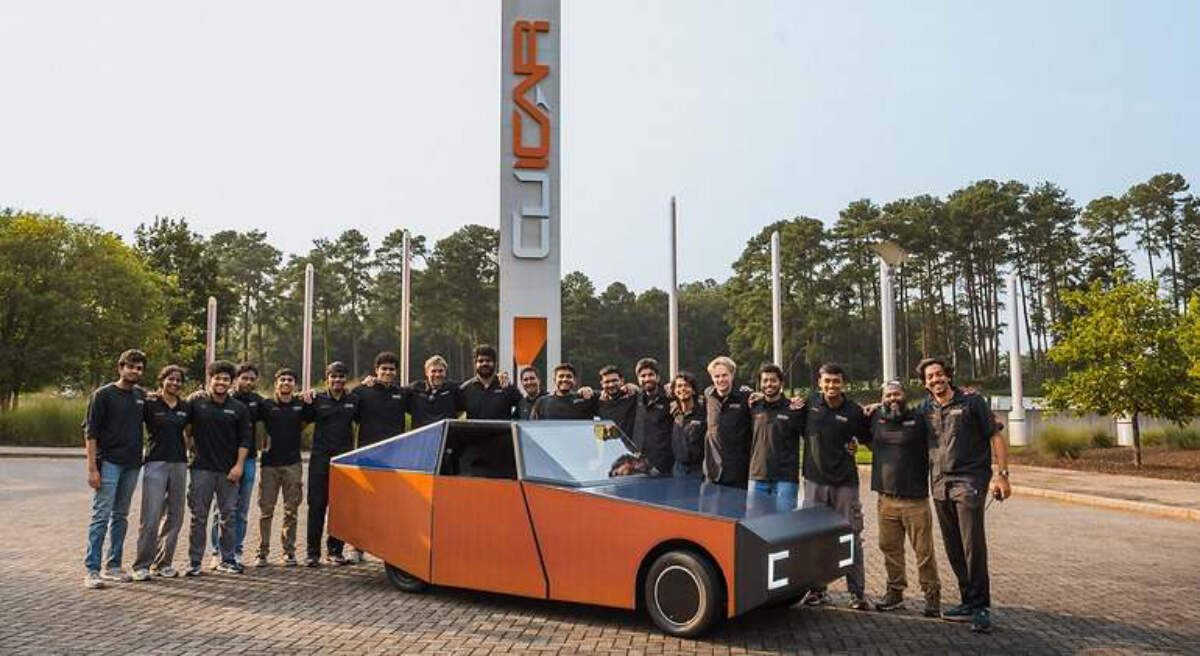
This strange and unattractive coupe has been designed by 16 postgraduate automotive engineering students in collaboration with BMW USA, which has been supporting this program for more than 20 years. At first glance, what stands out are the more than 1,700 photovoltaic cells covering its entire exterior surface. Their function: to generate electricity whether it is moving or parked, even when partially in the shade, thanks to collaboration with the Fraunhofer Institute for Solar Energy Systems ISE.
Why does this matter to the urban driver?
Because these panels allow the Deep Orange 17 to produce energy throughout the day, reducing dependence on electric charging points. In an urban environment, where distances are short and charges constant, this can make the difference between a practical vehicle or just a laboratory toy.
The technology behind the surprising efficiency
How do they achieve such promising figures?
Simulations with real sun conditions in Greenville, Frankfurt, Madrid, and Mumbai show that the Deep Orange 17 generates an average amount of energy sufficient to travel up to 50 additional kilometers every day, starting from a standard trip of 20 km. This result is a blow to the idea that electric vehicles only consume and never produce.
What other innovations help this efficiency?
The prototype weighs only 550 kilograms, thanks to a combined structure of steel, aluminum, carbon fiber and components manufactured through 3D printing. Additionally, it incorporates regenerative braking, intelligent management of motor torque and transmission, and very careful aerodynamics. All together, a formula to reduce consumption and optimize energy.
The future of the Solar car according to Deep Orange 17
What will driving with this technology be like?
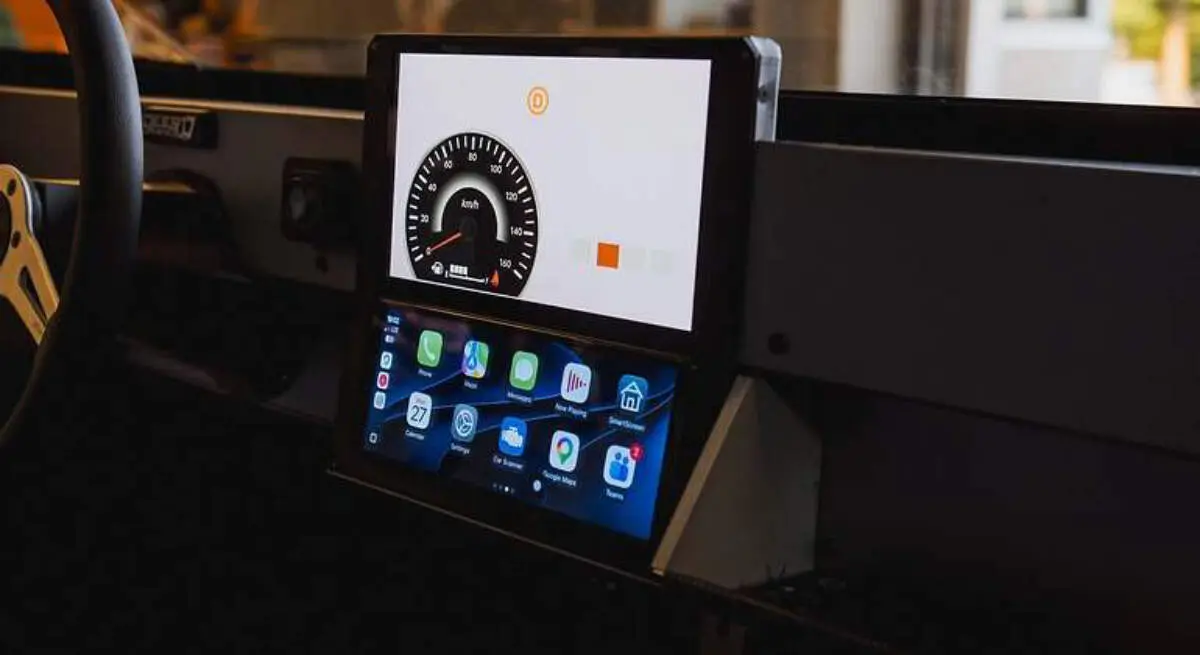
The vehicle features an interface that shows telemetry in real time, as well as connectivity systems like Apple CarPlay and Android Auto. This suggests that the Deep Orange 17 not only wants to be efficient but also comfortable and connected for the modern user.
When and where will we be able to see it in action?
The strange and innovative Deep Orange 17 will be presented at CES in Las Vegas in 2027. This date is key to imagining that the cars of the future will not only consume energy but also will be factories of electricity on the move, thanks to the sun and applied intelligence.
BMW and Clemson University, with more than two decades of collaboration, demonstrate that even with an unattractive design, innovation can advance in giant steps. For any driver wondering if the solar car can be viable today, the answer is closer than it seems.
The Deep Orange 17 will not only be a prototype for academic praise but a real proposal that can change the concept of electric vehicles and their relationship with solar energy.
Frequently Asked Questions
- What makes the Deep Orange 17 different from other solar cars?
- It incorporates more than 1,700 photovoltaic cells integrated over the entire bodywork and generates more energy than it consumes on a typical day.
- How much does the Deep Orange 17 weigh and why is that important?
- It weighs only 550 kilograms thanks to lightweight materials and 3D printing, which improves the vehicle’s efficiency and range.
- When will this prototype be presented to the public?
- The Deep Orange 17 will be presented at the CES fair in Las Vegas in 2027, a key event for automotive technology.