Why the slightly undercooked potato omelette is the perfect refuge for...
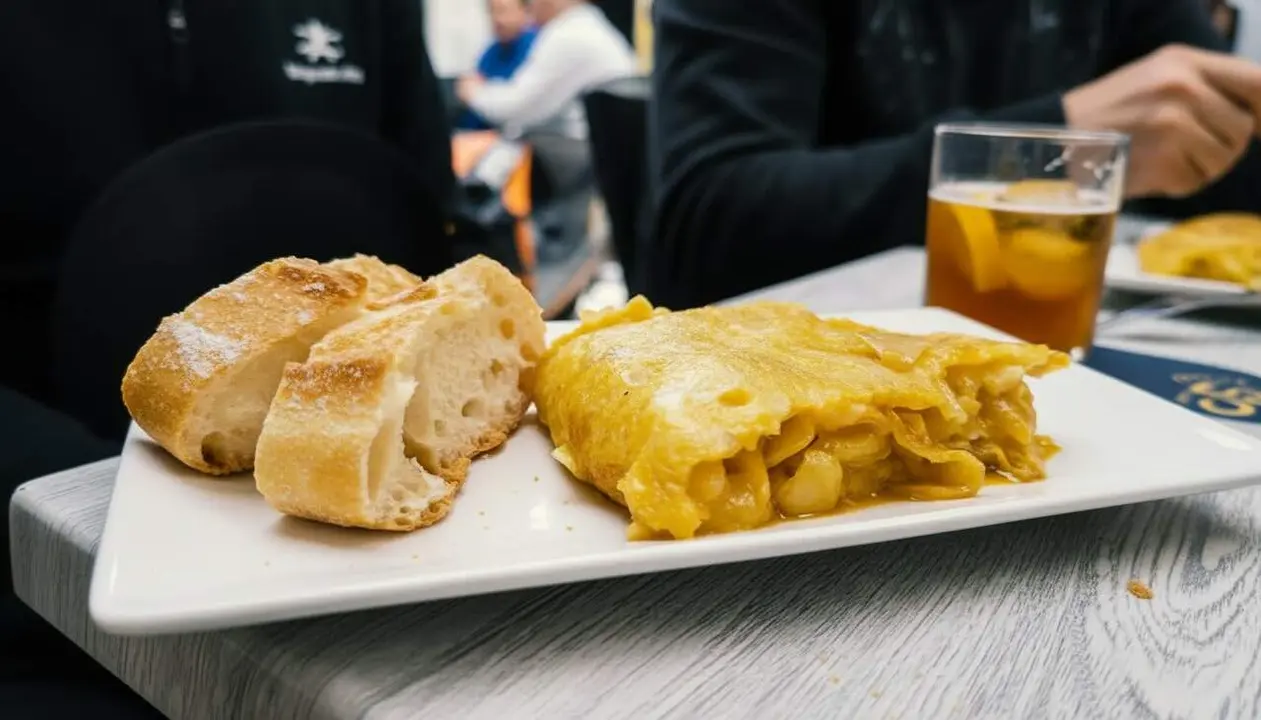

Undercooked potato omelette creates an ideal environment for the proliferation of dangerous bacteria. This reality hides a food risk that many are unaware of, especially in domestic settings and in restaurants.
Despite being a dish as popular as it is beloved, its preparation can become a danger if safety temperatures are not respected. The key is not only in the taste but in health.
The potato omelette and food safety
What do experts say about undercooked omelettes?
The main problem lies in that many prefer the omelette with a still liquid center, a taste that for bacteria is the perfect environment to grow. Mario Sánchez, a food technologist, states that “the risk of undercooked omelette is real because the heat does not reach all parts equally” and this creates zones where salmonella or botulism can proliferate uncontrollably.
Beatriz Robles, also a technologist, recommends consuming it immediately if it is to be left half raw to avoid bacterial multiplication. The difference between a contaminated egg and a good one is imperceptible to touch, sight, or smell, according to Dr. Miguel Ángel Lurueña.
What rules regulate the temperature of the omelette?
Royal Decree 1021/2022 establishes that omelettes served in public establishments must reach at least 70 ºC in their center for two seconds or 63 ºC for twenty seconds. If this temperature is not reached, huevina must be used, an egg substitute that minimizes health risks.
These measures seek to protect public health, but in the domestic setting, where control is less strict, the danger increases, especially when uncontrolled eggs are used, such as home-consumed ones, where hens are not vaccinated against salmonella.
Risks for vulnerable groups and practical recommendations
Why is it especially dangerous for pregnant women and children?
Pharmacist Boticaria García clearly states that an undercooked omelette is a prohibited food for risk groups such as pregnant women and children due to the danger of severe intoxication. Their health depends on eating well-cooked foods that prevent infection by bacteria such as salmonella.
For this reason, the best prevention is to ensure the omelette is well cooked, letting kitchen professionals do their job, especially in public or restaurant environments.
How can we minimize the risk at home?
A common practice—and one recommended by Sabina Banzo, a gastronomic influencer—is to cut the potato very thinly to achieve more even cooking. Thus, the heat penetrates better and zones where the heat does not sufficiently reach are avoided.
It is also advisable to consume the omelette immediately if preferred undercooked and, in case of health doubts, use fresh eggs with guarantees or alternatives such as huevina.
Gastronomic and cultural context of the potato omelette
Why is the omelette such a passionate subject of debate?
As with other national topics, the potato omelette is a dish that generates diverse and heated opinions: some want it well cooked, others with the egg liquid. This diversity reflects the Spanish gastronomic culture, where taste and tradition blend with the need for safety.
Ferran Adrià points out that the first omelette probably only carried eggs and onion, a simpler and safer form that helps understand the evolution of the dish.
What role does regulation play in this tradition?
The regulation seeks to balance tradition and safety, establishing limits that protect public health without eliminating the character of the dish. This regulation reduces risk in professional settings but leaves responsibility in the hands of consumers at home.
For this reason, undercooked potato omelette in domestic environments remains a latent risk, especially if basic food safety measures have not been taken.
The potato omelette remains a gastronomic symbol, but the choice between flavor and safety is a dilemma that must always be kept in mind. If you want to learn more about why the undercooked omelette is an ideal refuge for bacteria, you can check the article dedicated to the omelette.
Also, to broaden gastronomic perspectives, the Alicante experts agree that seafood rice is a dish that stands out for its safety and flavor in traditional cuisine.
The reality is that an undercooked potato omelette is not only a matter of taste but a public health matter that demands respect and attention both in professional and domestic kitchens.
Frequently asked questions
- Why is an undercooked potato omelette dangerous?
- Because the center does not reach the adequate temperature, creating an environment where bacteria such as salmonella can easily proliferate.
- What temperature must the omelette reach according to regulations?
- It must reach 70 ºC for two seconds or 63 ºC for twenty seconds at its center to guarantee food safety.
- How can I avoid risks at home when making an omelette?
- Use fresh vaccinated eggs, cut the potato thinly for even cooking, and consume the omelette immediately if left undercooked.