120 members of URV and IPHES participate in the Atapuerca campaign
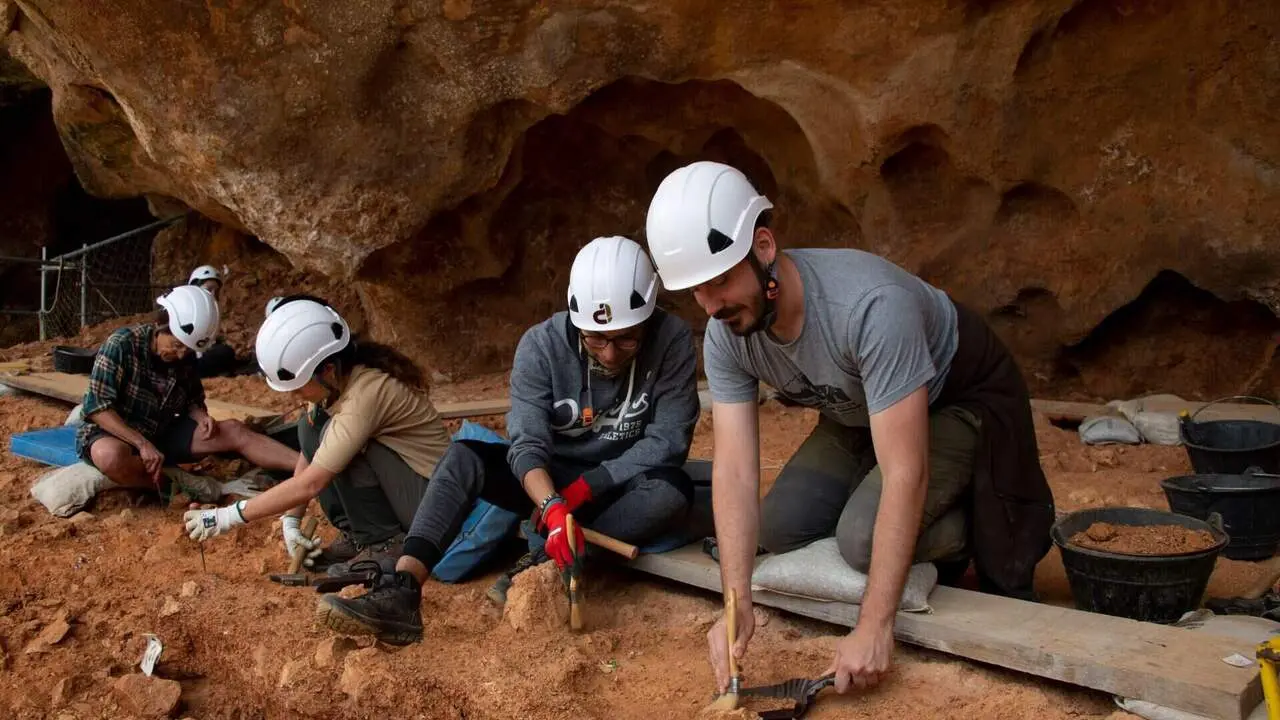

More than 300 researchers work at the Sierra de Atapuerca sites, with 120 members from URV and IPHES-CERCA taking on coordination roles. This campaign, the 49th, focuses on delving into the first human occupations and prehistoric life of the area.
The involvement of the Rovira i Virgili University in an internationally renowned scientific project confirms its commitment to impactful research and rigorous study of human evolution in Western Europe.
Participation and leadership of URV and IPHES-CERCA at Atapuerca
What importance does the participation of these members have for Tarragona?
URV and IPHES-CERCA not only provide researchers but lead scientific coordination at key sites. This places Tarragona on the global map of archaeological and paleontological research, with a direct impact on professional training and international projection.
Which sites do they coordinate and why are they key?
The team leads work at Sima del Elefante, Gran Dolina-TD6, Galería, Cueva Fantasma, and El Mirador. In addition, they manage sediment washing in the Arlanzón River, essential for recovering microvertebrates that provide data about the climate and environment during the Pleistocene.
Scientific objectives and novelties of the 2026 campaign
What challenges and advances do they aim to achieve this year?
The objectives include the study of Homo antecessor, understanding the first occupations of Western Europe, and investigating Neanderthal populations. They also explore the agricultural and livestock communities that inhabited the area during recent prehistory.
How are the teams distributed and what is the campaign’s duration?
This campaign consists of three work shifts between June and July, with more than 300 participants. Of these, 120 are from URV and IPHES, including researchers, technicians, and students, ensuring solid scientific and educational development.
Impact on teaching and local research
How does this campaign affect students and the academic community?
Students from the Erasmus Mundus Master's in Quaternary Archaeology and Human Evolution actively participate, integrating field research with their training. This reinforces URV as a reference center in archaeology and human evolution.
Why does this presence strengthen Tarragona’s international projection?
Leading a key project like Atapuerca brings prestige and resources to the university and the territory. It also opens collaboration channels with institutions worldwide, positioning Tarragona as a hub of advanced research in humanities and social sciences.
| Site | Role of URV and IPHES | Scientific importance |
|---|---|---|
| Sima del Elefante | Coordination of excavation work | First human occupations |
| Gran Dolina-TD6 | Scientific direction of excavations | Study of Homo antecessor |
| Galería and Cueva Fantasma | Management of sediment washing | Recovery of microvertebrates and paleoclimate |
| El Mirador | Project coordination | Investigation of agricultural and livestock communities |
The 2026 Atapuerca campaign is much more than an excavation. It is the continuation of research that connects the province of Tarragona with one of humanity’s great mysteries: the origin and evolution of the first Europeans. URV and IPHES-CERCA play a leading role, providing scientific leadership and high-level training.
Frequently Asked Questions
- What is the duration of the excavation campaign at Atapuerca?
- The campaign takes place in three work shifts distributed between June and July.
- How many URV and IPHES researchers participate this year?
- There are 120 members participating, including researchers, technicians, and students.
- Which sites do URV and IPHES researchers coordinate?
- They coordinate the sites of Sima del Elefante, Gran Dolina-TD6, Galería, Cueva Fantasma, and El Mirador, as well as sediment washing in the Arlanzón River.
Source of the article: Rovira i Virgili University