Mentoring Program HUB Experiment 2026: 9 students connected

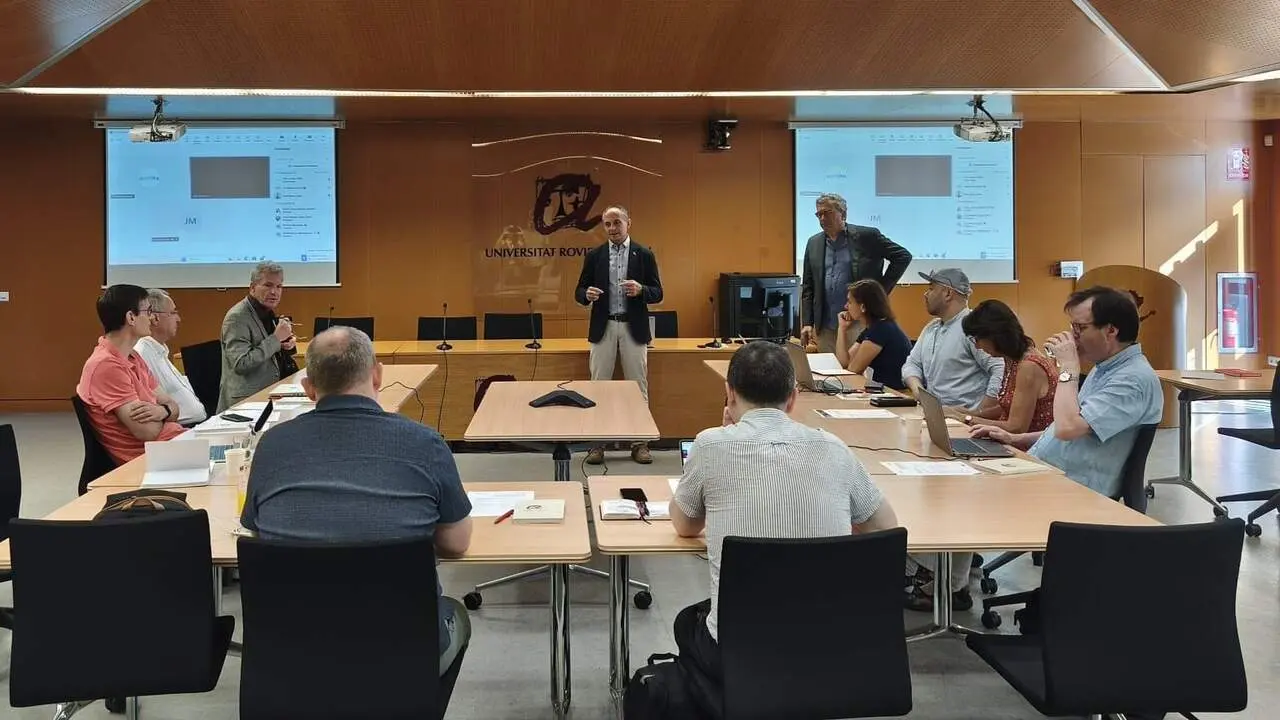
The HUB Experimenta 2026 Mentoring Program has connected nine STEM students with professionals from the industrial and academic sectors in Tarragona. This initiative from Universitat Rovira i Virgili facilitates the transition of future graduates into the labor market, offering personalized guidance and direct experience.
With 35 mentor-mentee pairs since its inception, the program is established as a key bridge between the university and professional worlds, especially for the province of Tarragona.
The mentoring program: a boost for Tarragona’s young talents
What is the program and who is it aimed at?
The HUB Experimenta Mentoring Program connects students in the final years of their bachelor’s, master’s, and doctoral studies in STEM fields with professionals from industry, research centers, and universities. In Tarragona, this represents an opportunity for young people who want to better understand the working world and have expert guidance during a decisive stage.
Why does it matter to students from Tarragona?
Because personalized support helps overcome the uncertainty of a key stage. 89% of participants acknowledge that the program has helped them make academic and professional decisions, while two out of three have gained confidence and better understood the local labor reality.
Workshops and experiences that make a difference
How are students prepared for the labor market?
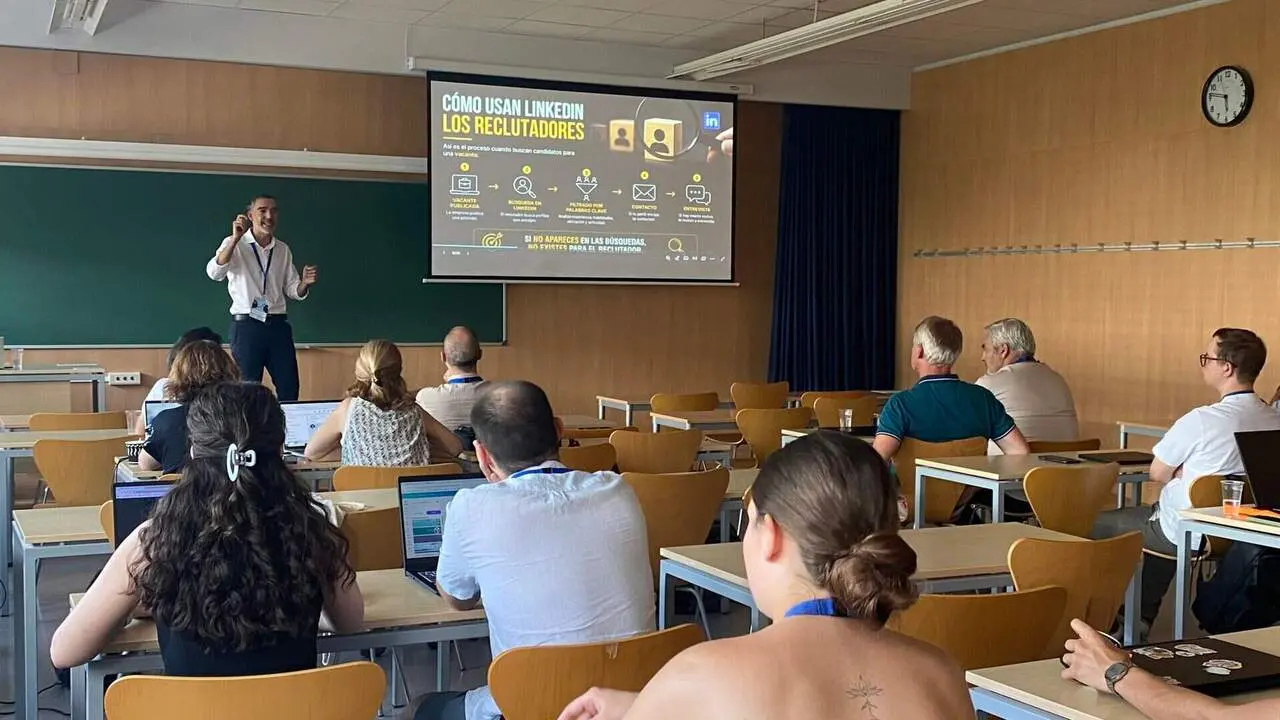
The closing day of the 2026 edition included a practical workshop on personal branding and LinkedIn, delivered by employability expert Wences Romero. Students learned how to build an attractive professional profile, leverage keywords to appear in automated processes, and use artificial intelligence to prepare for interviews.
What tangible benefits do students gain?
More than half report improving essential skills such as resume writing and professional communication, and 44% have expanded their contact network thanks to the mentors. This is especially relevant in a territory like Tarragona, where professional connections open doors in local industrial and technological sectors.
A community connecting Tarragona with the future
What is the mission of HUB Experimenta?
HUB Experimenta is a space that brings together students, researchers, faculty, and companies to promote STEAM talent in Tarragona and its surroundings. Through mentoring, networking, and training, it generates real opportunities for future professionals, facilitating their integration into the local economic fabric.
Who supports this initiative in Tarragona?
The program is supported by prestigious entities such as the Spanish Foundation for Science and Technology, DOW, BASF, ELIX Polymers, and DuPont Water Solutions, which provide experience and resources to strengthen this network of talent and industry.
Expansion of professional network| Aspect | Student Percentage |
|---|---|
| Help in making academic/professional decisions | 89% |
| Gain confidence for next steps | 66% |
| Improvement in employability skills | >50% |
| 44% |
The results show that the program is not only useful but generates a real impact on labor preparation in Tarragona.
It is clear that a program like this makes a difference for young people who want to leap into the labor market equipped with updated tools and expert support. Both students and mentors value the experience and want to repeat it, thus building a virtuous circle of talent and opportunities in the province.
If you are a STEM student in Tarragona, this program could be your springboard. And if you are a professional, a way to contribute experience and connect with the territory’s future.
Source of the article: Universitat Rovira i Virgili