How to charge your phone when the power goes out at home: essential tips and surprising alternatives
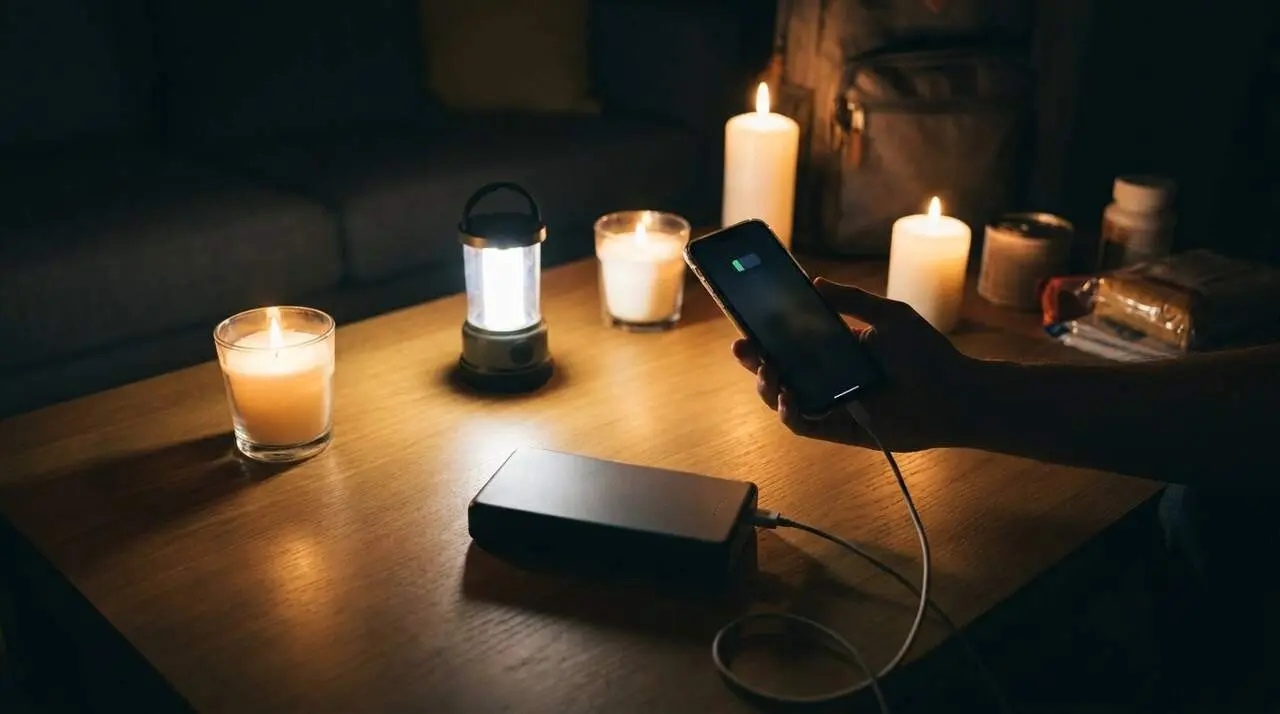

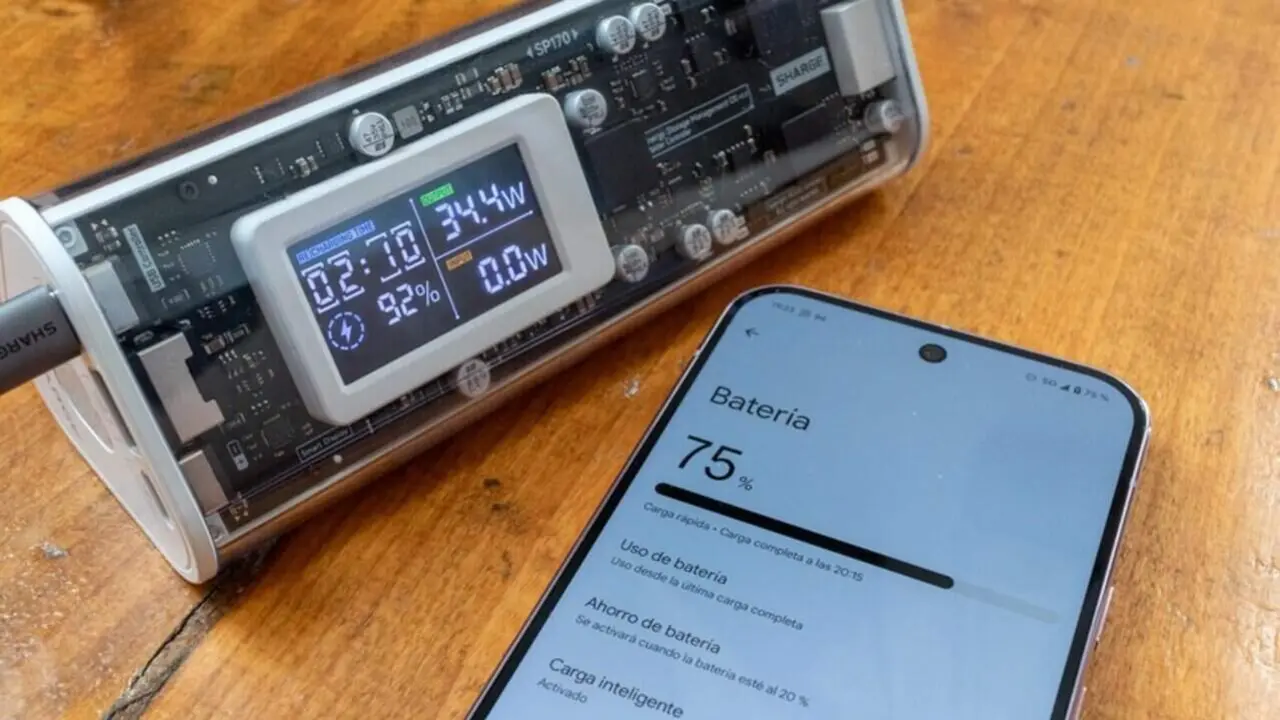
Portable batteries are the most common solution during a power outage at home. These store energy to charge devices like your phone when there is no electricity. Their performance is measured in milliamp hours (mAh), indicating the amount of energy they can store and how many times they can recharge a phone.
For example, a modern phone has a battery of about 3,000 mAh, while older ones may have around 1,000. Thus, a 7,200 mAh portable battery can fully charge two phones or charge one phone twice before needing to be recharged, according to Gift Campaign.
How to properly charge a portable battery
Why does it matter?
If you have a power bank, knowing how to charge it properly extends its life and ensures it is ready when you need it, especially in emergencies or unexpected power cuts.
What steps should you follow?
- Read the device manual to know if it needs to be charged to 100% before first use or if it can use the factory energy.
- To prolong its lifespan, charge the portable battery up to 80%, it is not always necessary to reach 100%.
- Avoid letting the charge drop below 25% before recharging it.
- If you do not use it often, charge it at least every two or three months to prevent capacity loss.
- Check the battery level with the LED indicators, usually four lights that mark each 25%.
- Prefer charging it with a wall outlet, as USB charging (for example, from a computer) is much slower.
- Always use quality cables and chargers to avoid damage to the device.
What other options are there to charge the phone without power?
Which alternative is most accessible?
If you don’t have a portable battery, the easiest way to charge the phone is to connect it to a computer or laptop via a USB cable, although it will be slower than using a wall charger.
Are there other tricks I can try?
- Many modern TVs have USB ports that allow charging devices, although also slowly.
- Certain phones have a reverse charging feature, which lets energy pass from one phone to another by cable or wirelessly, useful if one device has enough battery and the option is enabled in settings.
- When the power is normal, always use the phone’s charger, as it is the best option to maintain battery health.
How to check if you are well prepared for a power outage?
What signs indicate you have resources at hand?
- The portable battery has at least 80% charge and works properly.
- You know where the manual is to follow maintenance and charging instructions.
- You have quality cables and chargers compatible with your devices.
- You know if your phone supports reverse charging and how to activate it.
- There is a computer or TV with a USB port nearby for emergencies.
| Device | Typical Capacity (mAh) | Approximate Charging Time |
|---|---|---|
| Power bank 7,200 mAh | 7,200 | 4-6 hours |
| Modern phone | 3,000 | 1-2 hours |
| Old phone | 1,000 | 1 hour |
Remember that charging time depends both on mAh and the amperage (1.0 to 3.0 A) of the charger or USB port you use.
Keeping the portable battery well maintained and charged on time avoids surprises when the power goes out. It is also key to have alternatives like using computers and knowing about reverse charging if your phone supports it.
With these resources, you can keep your phone operational and avoid moments of disconnection that can be critical in emergencies or unforeseen situations.
To protect your battery and devices, frequently update your equipment’s software, activate two-factor authentication (2FA) on key accounts, review app permissions, and make periodic backups. If you notice the battery drains abnormally or the device overheats, it’s better to consult a professional to prevent further damage.
Keeping your phone charged during a power outage is not just a matter of convenience, but of safety and communication. With simple habits and some prepared tools, you can ensure your connection doesn’t drop when you need it most.
Frequently Asked Questions
- How do I know how much energy is left in my portable battery?
- Most have LED lights that indicate the charge level, usually four representing 25% each.
- Is it better to charge the portable battery to 100% or 80%?
- Charging up to 80% helps prolong battery life, while frequently reaching 100% can wear it out faster.
- Can I charge the phone with a USB cable connected to a TV?
- Yes, many modern TVs have USB ports that allow charging devices, though charging will be slower than with a wall charger.