Vandellòs rules out the proton therapy center due to lack of land and uncertainty in the schedule
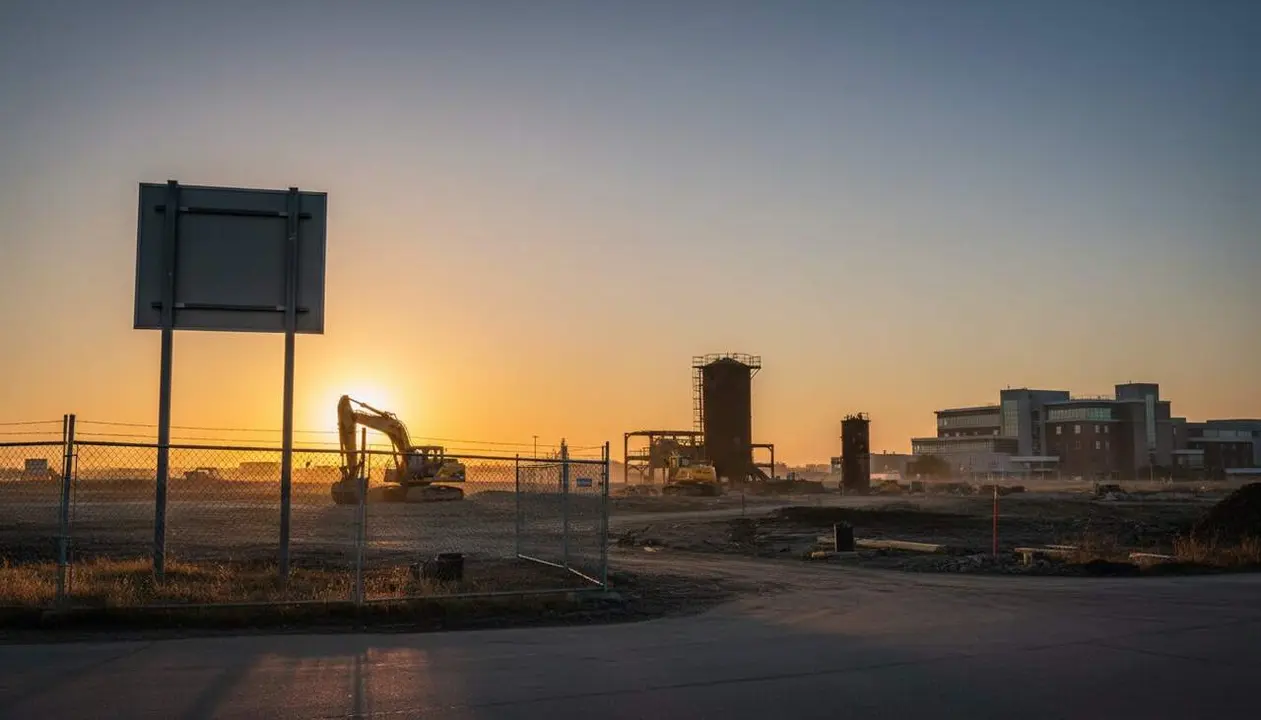

The City Council of Vandellòs i l'Hospitalet de l'Infant has decided not to move forward with the project to treat cancer with proton therapy in the former Vandellòs I nuclear power plant. The lack of clarity regarding land ownership and a timeline that stretches for years are the key reasons behind this decision.
The center had been announced in 2021 and planned an investment of 134 million euros, with the hope that the definitive deactivation of the nuclear plant would allow its construction. But now the mayor, Assumpció Castellví, confirms that the initiative will not proceed.
Why is this decision important to the residents of Vandellòs?
What are the main reasons for discarding the project?
The ownership of the land belongs to Enresa, the public company that manages nuclear waste, which hinders any external initiative. Furthermore, the definitive dismantling of the nuclear plant will not begin until 2028, extending the process without concrete guarantees.
According to the mayor, "it was a waste of time" to try to advance a project on land that is not municipal. She also warns that by the time the center starts operating, proton therapy could be surpassed by newer, more efficient cancer treatment technologies.
How does land ownership affect the feasibility of the center?
The land where the center was to be located is owned by Enresa, responsible for dismantling the nuclear plant. Without control or a clear agreement with this entity, the project remains shelved. This has been an insurmountable obstacle for the City Council, which does not want to "build castles in the air."
How did the project arise and what did it envision?
What was the original idea of the proton therapy center?
The project was initiated in 2021 by the former mayor, Alfons Garcia, and the MIDIT Commonwealth, with an economic study estimating an investment of 134 million euros. The idea was to reuse the old reactor’s vault to install four treatment rooms, including a cyclotron and advanced machines to treat cancer.
The proposal aimed to serve more than 1,500 patients annually from Catalonia, Aragon, Valencia, and the Balearic Islands, becoming a pioneering supra-regional center.
What steps had been taken before the project was shelved?
In 2023, the Spanish government committed to seeking funding for the center, which was classified as strategic by the subdelegate in Tarragona. Nevertheless, no clear timelines or firm commitments were established, and talks with Enresa did not progress.
Dismantling work, which is scheduled to start in 2028, is essential before any action on the site, according to promoters and public institutions.
What does the dismantling process imply for future plans?
What is the current status of the Vandellòs I nuclear power plant?
Since 1989, the plant has been closed and in level 2 latency phase. This stage involves monitoring and maintenance until 2028, when the third phase begins, including the demolition of the reactor structure.
This situation extends the unavailability of the land and conditions any project that wants to use the space.
When could the land be available again for other uses?
According to Enresa’s plan, the most intensive dismantling work will begin in 2028 and last several years. Until then, no initiative can move forward, making the vision of a proton therapy center currently unrealistic.
Moreover, the mayor points out that by the time the project activates, other medical treatments might have surpassed proton therapy.
The decision to discard the proton therapy center in Vandellòs raises the dilemma of projects during long and uncertain processes. Residents must see how land ownership and the slow nuclear dismantling process directly affect local investments and opportunities.
The project, which had raised expectations for a new advanced medical service in the region, will ultimately not happen due to lack of control over the spaces and temporal uncertainty. All this leaves pending reflection on how to plan and manage public initiatives with such long horizons and constant technological changes.
Source of the article: Eloi Tost / Catalan News Agency