
The 1905 eclipse in Catalonia: temperature drop, wind, and disoriented animals
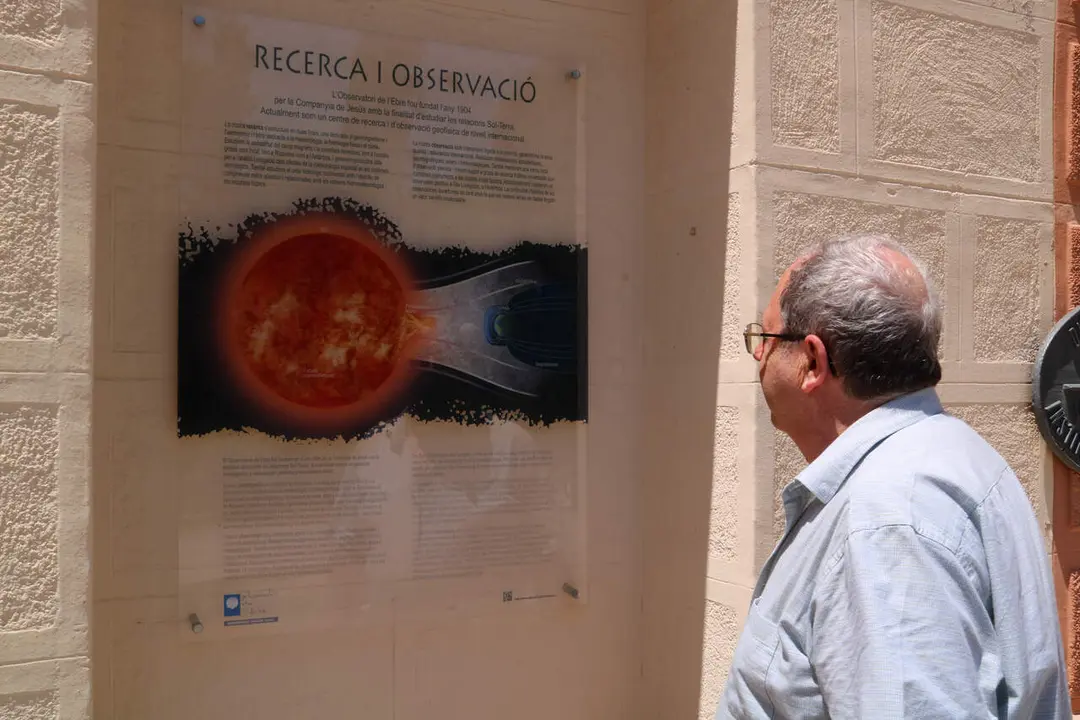

The 1905 solar eclipse in Catalonia caused a sudden drop in temperature, strong winds, and strange behavior in animals. This unique astronomical phenomenon was etched into the collective memory and led to the creation of the Ebre Observatory.
If you are interested in how nature and science were affected more than a century ago, this story will tell you all the details.
The 1905 eclipse phenomenon and its local impacts
What meteorological effects were observed during the eclipse?
Witnesses report that during the eclipse there was a very rapid drop in temperature that caused a notable feeling of cold, accompanied by a fresh and hurricane-like wind that shook Barcelona and other areas of Catalonia. These disturbances marked a before and after in the public perception of the phenomenon.
How did animals and nature react?
Animals showed abnormal behavior, which caught the attention of locals and scientists. Both contemporary chronicles and modern observations agree that the sudden change in light and temperature affects wildlife unexpectedly, disorienting them and altering their usual routines.
The Ebre Observatory: birth and scientific legacy
Why did the 1905 eclipse motivate the creation of the Ebre Observatory?
This eclipse was not only a visual spectacle but also highlighted the need to study the relationship between solar activity and terrestrial phenomena. Thus, it motivated the founding of the Ebre Observatory in Roquetes, a pioneering center for solar research in Spain with international projection and instruments that are still preserved today.
What role does the Observatory play today in the local scientific culture?
According to Juan José Curto Subirats, CSIC researcher, the Observatory remains a reference in astronomy and earth physics, keeping alive the scientific spirit that was born precisely with that eclipse. It is a direct link between the past and the present, and a space that invites one to look at the sky with a critical and curious gaze.
Eclipses in Catalonia: past, present, and future
How has eclipse observation evolved in Catalonia since 1905?
After the 1905 eclipse, Catalonia has experienced several partial and total eclipses, although none with the same visible spectacularity as that one. The most recent total eclipse on the peninsula was partial here in 1999, while on August 12, 2026, another total eclipse will arrive that will not be repeated until 2180.
What astronomical eclipse events can we expect in the short term?
Enthusiasts will have a new opportunity on August 2, 2027, with a total solar eclipse visible up to 81.7% in Catalonia, and on January 26, 2028, with an annular eclipse visible up to 92.3%. All this before the next total eclipse visible in the Principality, 154 years from now.
| Date | Type of Eclipse | Visibility in Catalonia |
|---|---|---|
| August 30, 1905 | Total solar eclipse | Complete visibility |
| April 17, 1912 | Partial solar eclipse | Partial |
| August 12, 2026 | Total solar eclipse | Total visibility |
| August 2, 2027 | Total solar eclipse | Maximum 81.7% |
| January 26, 2028 | Annular eclipse | Maximum 92.3% |
Article source: Catalan News Agency