Why Sony argues that reasonable customers know that digital games are licenses
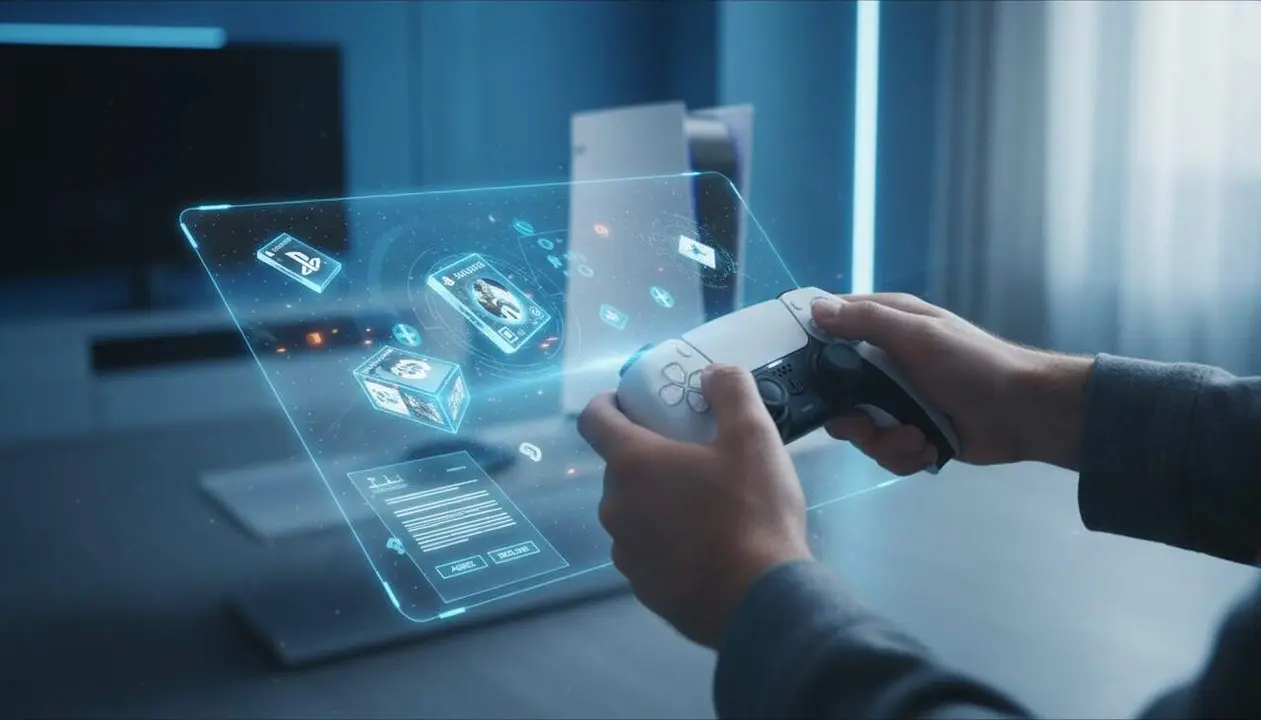

Sony states that buyers on the PlayStation Store receive a license, not ownership of the game, and that this is clear to a reasonable customer. According to an article by Vandal citing Game File, the company presented this defense in response to a California lawsuit questioning the clarity of the information on the purchase screen.
The lawsuit points out that, before confirming a purchase, the store only links the Terms of Service and the Product License Agreement, extensive documents where the word "license" appears but not a short and prominent warning in plain language as required by law. Sony replies that the documents state "the software is licensed to you, not sold" and that the idea of "buying" as ownership would be incompatible with the ongoing availability of the same titles to other users.
What Sony says and why it matters to the buyer
For the average reader, the decision could change how to claim refunds or resell games. This matters because it defines whether you have the right to treat a game as a physical product or as a license with restrictions.
What does Sony argue?
Sony says a reasonable customer would not be misled about the nature of the purchase. The company reminds that the PlayStation Store shows links to the terms and that, if games were owned, multiple copies could not be purchased by different users.
How does the lawsuit counter this defense?
The plaintiffs argue that California law requires a "clear and conspicuous" warning on the same purchase screen, explained in plain language: that the verb "buy" equates to obtaining a usage license. They argue that linking to lengthy documents does not meet this requirement.
How to check if your game is a license
If you have questions about your purchase, it is helpful to know exactly where to look and what to look for in the store; this will allow you to verify if you are covered by the law or if you have grounds for a claim.
Where to look in the PlayStation Store?
Open the product page on the PlayStation Store and look for a clear notice about "license" or similar phrases before purchasing.
Practical steps to check
- Access PlayStation Store from a browser or console.
- Open the game's page and locate the link to Terms of Service and Product License Agreement.
- Look for phrases like "the software is licensed to you, not sold" in the summary or at the beginning of the document.
- If there are only long links and no concise warning on the purchase screen, mark it as a problematic sign.
Legal and practical impacts for players
The case resolution could set precedents about digital buyers’ rights: if the license definition prevails, the possibility of receiving compensation or reselling will be very different than if ownership is considered.
Could it affect me as a buyer?
If you regularly buy digital games on the PlayStation Store, it is likely that the answer affects your refund rights and content transferability.
What options do the plaintiffs have?
Plaintiffs may try to show that the information is not "clear and conspicuous" under the law and, if successful, force stores to change the text on the same purchase screen. Sony argues that this is already covered by visible links to the terms.
How to verify if you are affected and what to do
Follow these specific points to check if your purchase experience fits with the lawsuit’s arguments and to decide possible steps (claim, preserving evidence, legal consultation).
Checklist of signs you are affected
- Only long links before completing the purchase without a short phrase indicating "license."
- No plain language warning on the purchase screen, only linked legal text.
- You paid for a title that continues to be sold to other users without apparent limitation.
Recommended steps
- Take screenshots of the purchase page (including date and time).
- Save emails and purchase receipts as proof.
- If you believe you have grounds, consult a consumer law attorney or contact a consumer association for advice.
Brief note: documentary evidence tends to be key in this type of case; preserve original evidence (screenshots, invoices, URLs).
| Platform / Version | Affected | Comment |
|---|---|---|
| PlayStation Store | Yes | Links Terms and License Agreement, but the lawsuit challenges the lack of a concise warning on the purchase screen. |
| Steam | Yes | Steam implemented changes before the law came into effect (mentioned by the source). |
| Nintendo eShop | Yes (regulated) | California law mentions stores like Nintendo eShop; the source does not specify Nintendo's response. |
As an expert reader, I note that the discussion is not only technical but also cultural: many people have assumed for years that paying means owning. Quite curious, right? The difference between "buying" and "licensing" may seem minimal on screen. But legally it is not.
Checking phrases, preserving evidence, and following legal developments are practical and immediate steps for any concerned buyer. If the courts require stores to display a clear and visible notice, consumer protection could improve, but if Sony’s defense prevails, the license model will continue as standard.
The reality is that this dispute determines whether the word "buy" on the PlayStation Store equates to a license or ownership; the answer directly affects consumer rights, refunds, and the ability to transfer games.
Frequently Asked Questions
- How can I quickly know if I have bought a license or a game?
- Check the purchase page: if there is a short warning saying "licensed" or equivalent, it indicates a license; if there are only links to long terms, there is probably no concise notice.
- Does California law apply outside that state?
- The law applies to transactions based or directed in California; international effect depends on local regulations and how companies adapt global texts.
- What can I claim if I have already bought a game?
- Keep proof (screenshots, receipts) and consult a consumer association or lawyer; the viability of a claim depends on whether the information was misleading under the applicable law.