5 reasons why wired microphones beat AirPods (and what to do)
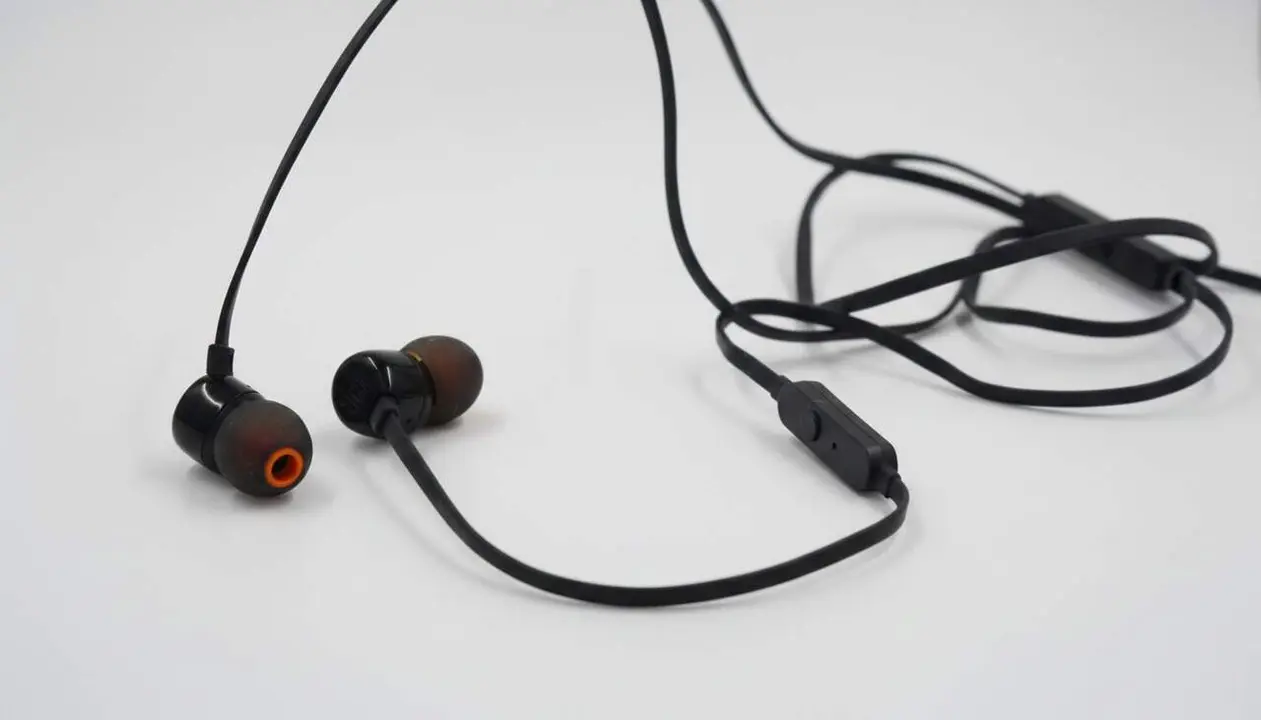

The wired microphone usually offers better quality and fewer problems on calls. A year ago, hearing this would have seemed like a retro statement, but the reality is that many users notice the difference. I remember a work call where I was asked to repeat the sentence three times: wired, problem solved; wireless, frustration.
The small anecdote illustrates a bigger change: the return of the cable as a practical and economical solution for listening and speaking well. Voice quality and cost are now more important factors in the purchasing decision.
This article is based on the report by Luis Calabor and the expert voice of Eduardo Arcos, published on Sep 01, 2026, which emphasizes that "the reality is that the microphone of wired headphones is still better" and provides data like indicative prices (AirPods ~149 €; EarPods ~19 €) and argues why many professionals prefer the cable.
Why This Matters to You
If you make many calls or manage clients, voice quality is the primary work tool. Clarity in calls prevents misunderstandings, saves time, and projects professionalism. Therefore, knowing why a wired microphone might sound better is useful and immediate information.
How Does This Affect Me on Work Calls?
A wired microphone reduces the likelihood of audio loss due to battery or interference, which improves understanding on long calls.
Practically, this means fewer interruptions, fewer repetitions, and less frustration when working from the street or public transport. Many users in the report confirm this experience.
Why Do Professionals Prefer It?
Because they need continuous reliability and consistent microphone behavior; dependence on a battery or a stable Bluetooth connection introduces variability.
Arcos points out that, for those who spend hours on the phone, the cable removes the battery unknown and simplifies the workday. No surprises.
How to Test and Configure Your Wired Microphone
Knowing how to test a microphone before buying or using it allows you to confirm it really sounds better. A simple test can prevent a bad experience and save money.
How Can I Quickly Test the Microphone?
Record a voice message and listen to it with separate headphones; this way you compare wired and wireless in real conditions.
Practical steps: connect the wired headphone, open your phone’s recording app, and speak normally; then repeat with wireless ones. If the voice sounds clearer wired, you have the answer.
What Phone Settings Should I Check?
Review adjusting the input gain or audio source if your phone allows; also check that the wired microphone is selected as the input device.
Go to
- Go to Settings > Sounds > Input (or your device’s equivalent)
- Open the recording app and choose External microphone if it appears
- Make a test call with a colleague or voicemail
What to Look for When Buying
When choosing wired headphones, prioritize microphone quality, cable robustness, and compatibility with your device. This guarantees better performance without having to pay excessive prices.
What Technical Elements Should I Consider?
Look for a microphone well positioned (close to the mouth) and a design that avoids cable rubbing noises.
Prices cited in the source (EarPods ~19 € vs AirPods ~149 €) show that voice improvement doesn’t always require a big investment; evaluate the quality/price ratio.
When Is It Worth Giving Up the Cable?
If you prioritize absolute mobility or do many physical activities, wireless might be more comfortable despite possible loss of voice quality.
If comfort compensates for slight clarity loss, then AirPods or equivalents make sense; if not, the cable remains the best option for speaking well.
How to check if you are affected:
- People often ask you to repeat during calls
- Your voice sounds distant or has dropouts in noisy environments
- You experience audio dropouts when your wireless devices’ battery is low
How to know you are not affected:
- Calls sound clear with your current wireless headphones
- You have no battery or pairing problems in your daily routine
- You fully prioritize freedom of movement over perfect voice quality
| Device / Example | Microphone (note) | Price According to Source |
|---|---|---|
| Wired headphones (EarPods) | Microphone close to mouth; fewer call losses | ~19 € |
| Wireless headphones (AirPods) | Microphone with processing and battery dependence; sometimes less clear voice | ~149 € |
Small note: figures and observations come from the cited piece by Luis Calabor and statements by Eduardo Arcos; for additional data, consult the direct source.
Prevention and Maintenance: update your devices’ firmware, enable authentication and backup of settings (if your phone offers it), review recording app permissions, and periodically check cable condition to avoid friction noises. If you notice signs of physical damage or persistent professional call problems, consider taking your equipment to a specialized technician.
Warning signs requiring professional help: constant audio losses not solved by basic tests, interruptions during critical work calls, or apparent internal physical damage to the microphone.
The final recommendation is clear: if your work depends on voice, try a wired headphone before investing in expensive models; often the solution is simpler and more economical than it seems.
Practical summary: test, compare, and prioritize clarity over brand when calls are your work tool.
The reality is that the wired microphone can be the best choice for many users; try it and decide according to your usage.
Keywords: microphone, wired headphones, voice quality.
Frequently Asked Questions
- Why do wired headphones usually sound better on calls?
- Because they avoid compression and battery dependence that affect some wireless headphones; the direct signal usually transmits the voice with fewer losses.
- How can I quickly compare the microphone of a cable with AirPods?
- Record the same message with each device and listen to the difference on a second device; this way you will check clarity and noise.
- If I use headphones for work, is it worth spending more on top wireless ones?
- Only if mobility is critical; many professionals prefer cable for voice reliability despite expensive wireless models.