Six models that Volkswagen will eliminate before 2029 and what happens with Seat

Volkswagen drives a plan to reduce the range and improve margins. The idea is simple: fewer models, fewer options, and more efficient processes to respond to Chinese competition and local markets.
Oliver Blume, CEO of the Volkswagen Group, has spoken about the need to "reduce complexity" and adapt the offer to Europe, Asia, and the USA, while the group publishes statements about possible "gradual withdrawals" of brands or models.
What changes in Volkswagen's plan
Why does this matter to the reader? Because decisions from Ingolstadt affect prices, availability, and the models you can find at dealerships (and, yes, also the options table).
What business objectives is Volkswagen pursuing?
Short answer: Increase the operating margin to between 8% and 10% and reduce the complexity of the range.
The plan includes a reduction of 50% of the models for sale and of 75% of configuration options, to speed up production and lower costs. This means fewer engines, fewer body styles, and fewer massive variants.
Immediate impact
It begins in 2026 and lasts until 2027, with confirmed eliminations and other open studies on lower profitability models.
According to the available information, the company has already confirmed it will stop selling some vehicles and is studying other withdrawals toward 2029/2030. It is a structural change that is not only cosmetic: it affects product lines, investments, and technological priority.
| Affected models |
|---|
| Confirmed disappearances before 2029: Volkswagen T-Roc Cabrio; Volkswagen Touran; Volkswagen Touareg; Volkswagen ID.5; Audi A1; Audi Q2. |
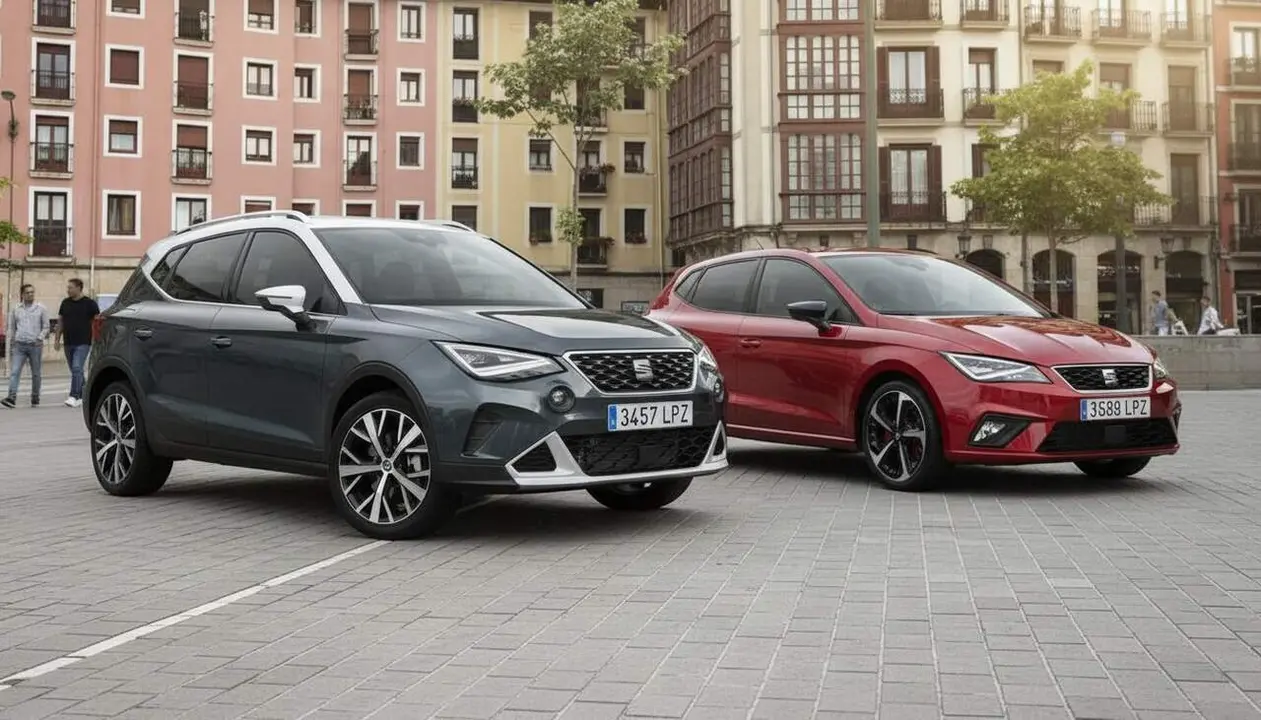
| Models under study for 2029/2030: Volkswagen Taos; Volkswagen Jetta; Volkswagen Passat; Porsche Taycan; Porsche Cayenne Coupé; Porsche 718; Seat Ibiza; Seat Arona. |
Consequences for Seat and the rest of the group’s brands
Why does this matter in Catalonia and the local industry? Because Seat is a brand rooted here; any range decision can influence sales, jobs, and priority for technological investments.
What is happening with the Ibiza and the Arona?
Short answer: They are key models but based on an old platform (2017) that makes broad electrifications difficult.
The text explains that the Ibiza and Arona, Seat’s strong points, are technical veterans and do not easily accommodate plug-in hybrid systems; the brand still sells many units, but continuity is under study and Volkswagen’s leadership already talks about a hypothetical "gradual withdrawal."
Will the Seat brand disappear?
There is no definitive decision: the group states that "no definitive decision has been made" about Seat’s continuity, but the trend is to prioritize Cupra due to its profitability.
Therefore, Cupra receives preference for investments and technologies, while Seat could be transformed to adapt to new emissions and market demands.
Context and next steps
Why should you follow this closely? Because the measures will affect supply, margins, and the presence of certain segments (sedans, large SUVs, entry models) at local dealerships.
When do these changes take effect?
Short answer: The adjustment starts in 2026 and will have visible effects in 2027; some concrete decisions may extend until 2029/2030.
The plan envisages a phased implementation: first disappearances with discreet sales, then studies on larger or North American-oriented models. This also responds to pressure from Chinese manufacturers and the need for a shared platform to reduce costs.
What criteria does Volkswagen use to choose models?
Focused on margin and volume: prioritize profitable segments, abandon niches with low returns, and eliminate variants that do not contribute margin.
The strategic line is clear: more platform efficiency, reduction of options, and concentration on models that can ensure an operating margin of 8–10% per vehicle.
Impact on premium brands
Porsche and Audi are also within the plan’s scope: the text mentions possible cessations in models such as the Taycan, Cayenne Coupé, 718, as well as the disappearance of the Audi A1 and Q2.
The move seeks to reinforce brands and models with high margin (for example, Cupra) and reassign resources from less profitable vehicles to electric and technological projects.
Oliver Blume (CEO of the Volkswagen Group, 06/09/2026) has emphasized the need for a "coherent structure"; and the Volkswagen group, in a statement dated 06/09/2026, has indicated that alternatives for Seat and other subsidiaries are being evaluated.
The reality is that, this restructuring will redefine the group’s offer and its presence in the European and global market. Volkswagen, Seat, and Cupra will be the central names in this transformation; the question is what range will remain after the process and how it will affect prices and availability at dealerships.
Frequently Asked Questions
- Which models disappear before 2029?
- The confirmed models before 2029 are: Volkswagen T-Roc Cabrio, Volkswagen Touran, Volkswagen Touareg, Volkswagen ID.5, Audi A1, and Audi Q2.
- What happens with the Ibiza and Arona?
- They are old models (2017 platform) that would complicate broad electrifications; Seat still has no definitive decision on their continuity.
- When does Volkswagen’s adjustment begin?
- The adjustment begins in 2026, with implementation during 2027 and additional studies planned toward 2029/2030.