What happened to Montesa, Derbi, OSSA, Bultaco and Sanglas?
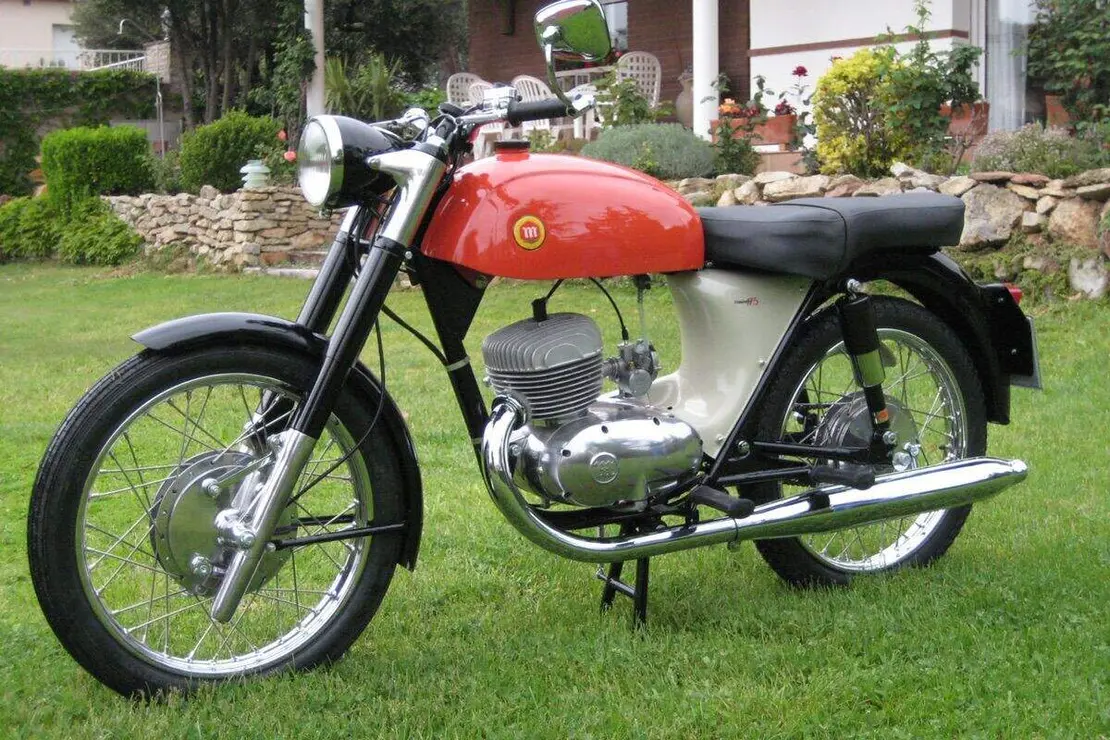
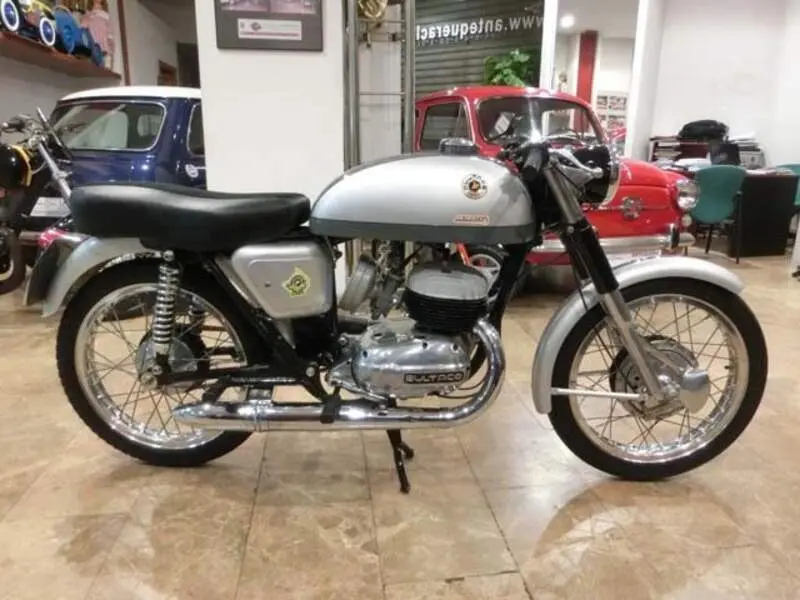
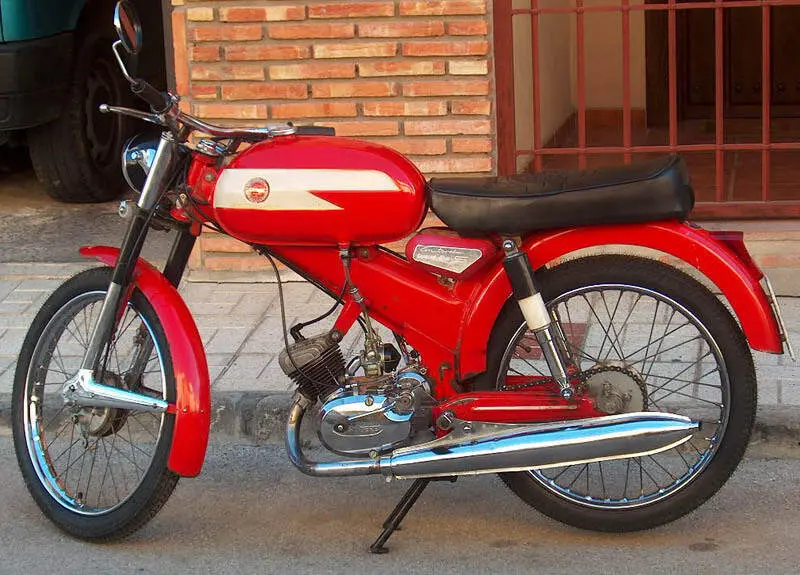
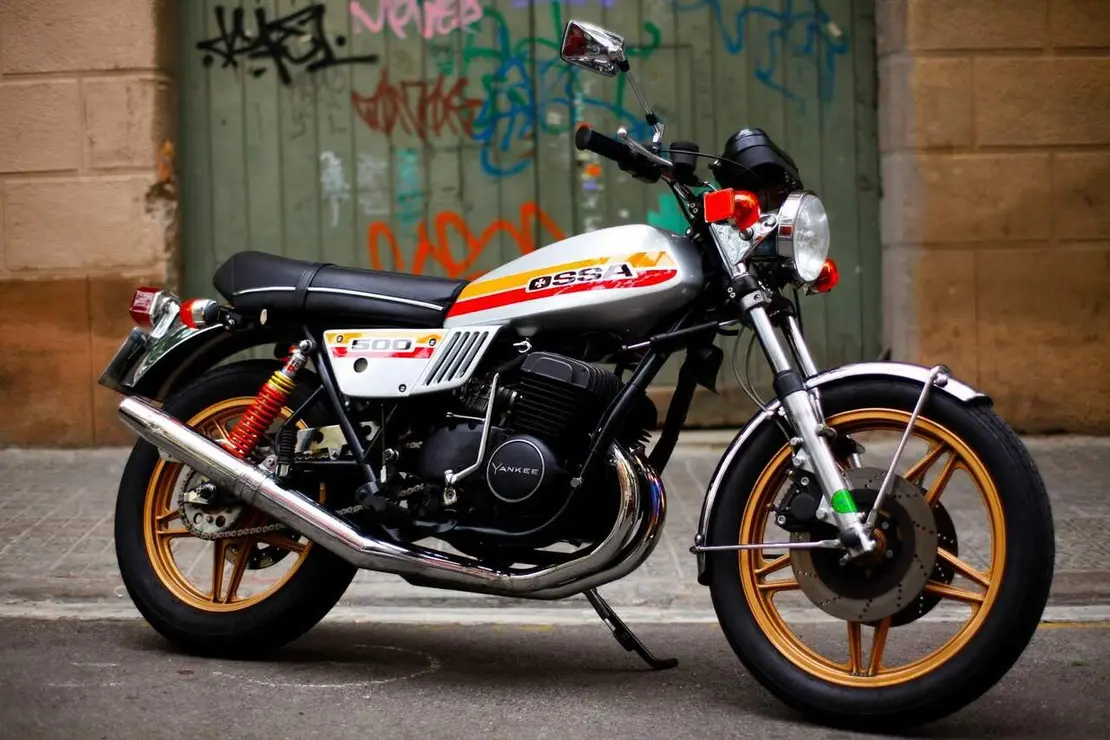
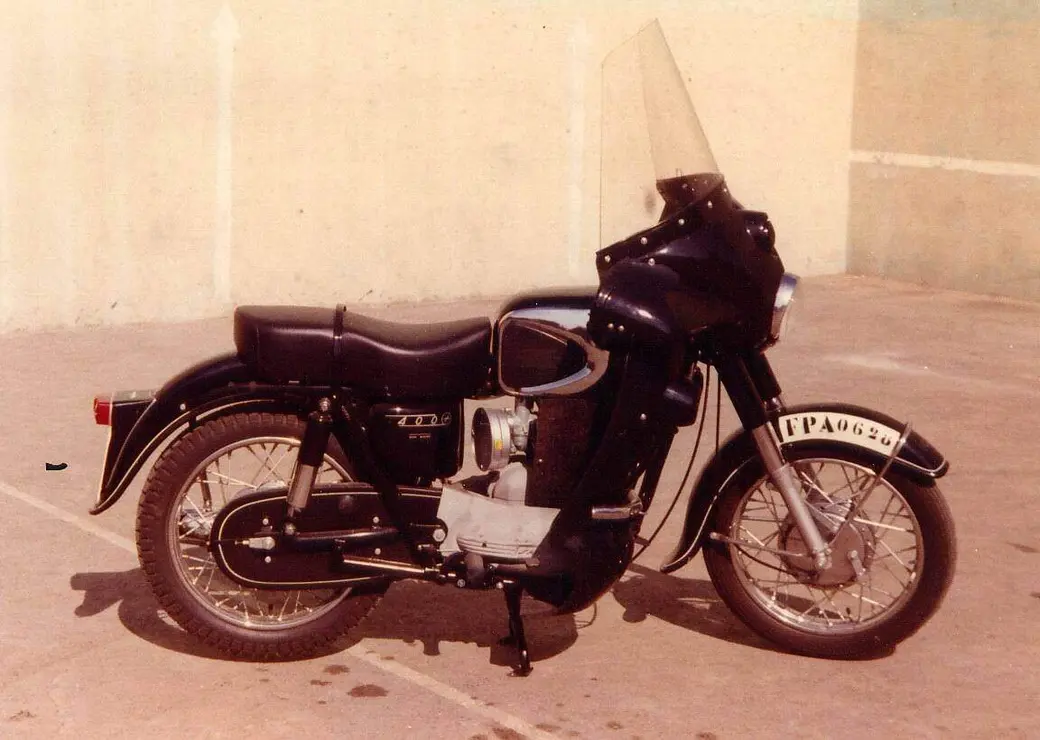

Montesa, Bultaco, OSSA, Derbi, and Sanglas were the big protagonists of the golden age of Catalan motorcycling. These brands dominated the tracks and streets for decades, but their end was not as brilliant as their past.
Global transformations and Japanese competition tested the resilience of these companies, which had been true benchmarks in innovation and sport.
Montesa: the Catalan revolution that marked an era
Founded in 1944 by Pere Permanyer and Francesc Xavier Bultó, Montesa was the first of the great Catalan brands and the only one still manufacturing today, having become a world reference in trial.
What made Montesa special in the 1960s?
Montesa laid the first stone with the Impala in 1962, a 175 cc model that withstood the toughest conditions thanks to Operation Impala, a more than 20,000 km test across Africa. This turned it into a symbol of robustness and reliability.
How did Montesa change trial with the Cota 247?
The Cota 247, presented in 1968 and designed by Leopoldo Milà, revolutionized trial thanks to its lightness and traction, leaving behind British motorcycles and starting a saga of great successes in this discipline.
Bultaco and OSSA: rivals with well-defined characters
Bultaco was born in 1958 from an internal break at Montesa: Francesc Xavier Bultó left when the management decided to withdraw from competition. OSSA, on the other hand, made a banner out of constant technical innovation, albeit taking greater risks.
Why did Bultaco bet so strongly on competition?
Since its founding by Paco Bultó in 1958, its motto was "the market follows the checkered flag." Models like the Metralla 62 were among the fastest 250 cc bikes in the world, and the Sherpa T conquered international markets with the help of riders like Sammy Miller.
What innovations did OSSA bring to the sector?
OSSA, originating from the manufacture of cinema projectors, surprised with models like the OSSA MAR and the Yankee Z500, a 500 cc, 60 HP motorcycle that was the most powerful made in Spain in its time, although its radical character limited it commercially.
Derbi and Sanglas: democratization and the great route
While Montesa, Bultaco, and OSSA battled on the circuits, Derbi and Sanglas occupied opposite ends of the market: the small, affordable motorcycle for everyday use, and the large four-stroke tourer for long distances.
How did Derbi make the motorcycle accessible to everyone?
Derbi, founded in 1922, popularized the motorcycle with models like the Antorcha, which was affordable, reliable, and easy to maintain. Additionally, riders like Ángel Nieto brought the brand to worldwide glory.
What was Sanglas’ value proposition?
Sanglas specialized in heavy four-stroke motorcycles, inspired by German and British brands, designed for long distances and official use. The 400Y model, with Yamaha components, was its final modernization before disappearing.
The causes of the fall: why did these brands disappear?
What problems did these companies face at the end of the ’70s?
The oil crisis, the drop in demand in the U.S., and massive competition from the Japanese Honda, Yamaha, Suzuki, and Kawasaki, more advanced and better resourced, collapsed the local industry.
How did the legacy of Montesa, Bultaco, OSSA, Derbi, and Sanglas end?
Bultaco and OSSA disappeared in the ’80s; Sanglas merged with Yamaha; Derbi was absorbed by Piaggio; only Montesa survived with Honda’s help, focusing on trial.
| Brand | Era of splendor | Main characteristic | End |
|---|---|---|---|
| Montesa | 1944-1980 | Innovation and trial | Survives with Honda |
| Bultaco | 1958-1983 | Pure competition | Closed doors |
| OSSA | 1960-1984 | Experimental technology | Closed doors |
| Derbi | 1922-2001 | Popular bike and GP | Absorbed by Piaggio |
| Sanglas | 1942-1981 | Big and reliable bikes | Merged with Yamaha |
The disappearance of Bultaco, OSSA, and Sanglas, and the absorption of Derbi, put an end to an unrepeatable era in which Spain was a world power in motorcycling. The legacy of these brands lives on in collectors and enthusiasts worldwide and illustrates an inevitable clash with globalization and technological evolution: how a unique industrial heritage was built and lost.
Frequently Asked Questions
- What were the main causes of the fall of the Catalan motorcycle brands?
- Japanese competition, the oil crisis, and the drop in international demand were key in the disappearance of Bultaco, OSSA, and Sanglas, the absorption of Derbi, and the reconversion of Montesa.
- Why did Montesa survive when other brands did not?
- Montesa made a strategic agreement with Honda in 1982 that allowed it to continue production and specialize in trial.
- What importance does the Montesa Impala have in Catalan history?
- The Impala, launched in 1962, was a symbol of robustness and reliability and consolidated Montesa’s technical and sporting reputation.