Two key changes: Catalonia bans motorcycles on the shoulder and imposes a €200 fine
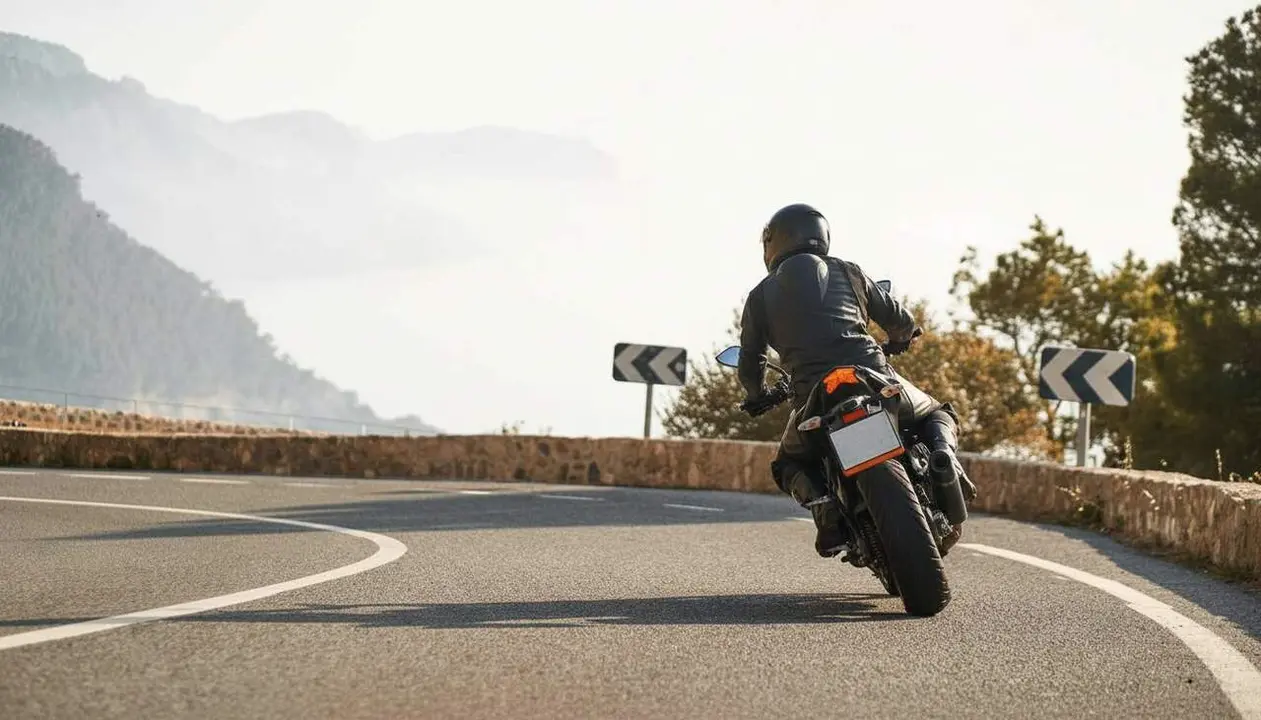

Catalonia does not authorize motorcycles to use the right shoulder in case of congestion and applies a 200 € fine for non-compliance. This is the decision of the Catalan Traffic Service (SCT) following the latest reform of the General Traffic Regulation that theoretically allows the use of the shoulder.
The DGT authorizes exceptions; the SCT rejects it for safety reasons. If you are a motorcyclist, this affects your usual route, trip planning, and how you assess an emergency area on the road.
The discrepancy between DGT and Catalonia: what changes and why it matters
For the reader who rides a motorcycle, the SCT's decision has real consequences on how to drive in traffic jams. This is not paperwork: it implies combining normative theory with road practice and deciding whether to trust the shoulder as an alternative route.
🎯 License points lost: Not specified
📅 In force since: October 1, 2026
🏛️ Authority: Catalan Traffic Service (SCT) / DGT
Why has the Catalan Traffic Service decided this?
Because the shoulder is considered a safety infrastructure used for emergencies and accident management, according to Ramon Lamiel, director of the SCT. This view prioritizes keeping the space free for assistance services and immobilized vehicles.
Additionally, the SCT argues that riding in a column on the shoulder, even though limited to 30 km/h according to the state reform, can create false safety expectations and hinder emergency service access.
What does the DGT say about the use of the shoulder?
The DGT foresees motorcycles being able to use the shoulder in exceptional cases and with specific limits, according to the reform of the General Traffic Regulation. The national goal is to alleviate traffic jams and reduce congestion time.
The key difference is that the national regulation establishes the possibility, while the interpretation and practical application fall on autonomous and local administrations.
What are the new obligations for motorcyclists?
The measures effective October 1, 2026, affect footwear, gloves, and vests for professionals; the homologated helmet obligation is postponed until 2027. This means immediate changes in equipment and more time for manufacturers and users to adapt to the helmet.
What comes into force on October 1, 2026?
Mandatory closed footwear; protective gloves on interurban roads; reflective vest for professional riders. Failure to comply with these obligations will be considered a serious offense with a 200 € fine.
This definitively eliminates the option of flip-flops or sandals as legal footwear for riding, including urban and interurban roads.
And the homologated helmet: when will it be mandatory?
The obligation to wear a homologated helmet applies from October 1, 2027. Until then, a quality certificate will not be sufficient, and motorcyclists have an additional year to adapt.
The technical definition of gloves will remain pending the ministerial order that determines their specific characteristics.
Practical impact and recommendations for motorcyclists
If you ride a motorcycle in Catalonia, you must change routines and equip yourself before the deadline to avoid fines and preventable risks. It is not only a legal matter: it is a matter of coexistence with emergency services and other users.
How will this affect peak hour trips?
In Catalonia, you will not be able to use the shoulder to overtake or move through traffic jams. This may lengthen trips in rush hours and turn usual behavior into a punishable offense.
Plan alternative routes and accept some loss of speed; it is better to arrive late than to pay 200 € or be stuck in an emergency situation.
What practical measures can I take now?
Check your equipment: invest in approved gloves and closed footwear; check the helmet's manufacture date and replace it if necessary. Also, adapt your trip planning to avoid relying on the shoulder.
Consult your municipality’s local regulations and road SIGNS; when in doubt, act as if the shoulder is only for emergencies.
| Aspect | DGT Position | SCT Position (Catalonia) |
|---|---|---|
| Use of the shoulder | Allowed exceptionally (column, 30 km/h) | Prohibited for safety reasons |
| Fine for non-compliance | Depends on application | 200 € |
| Mandatory equipment | Gloves and footwear according to state regulation | Gloves, closed footwear, and vest for professionals |
A final note: the regulation aims to reduce accident rates among motorcyclists, a figure that concerns the SCT.
The reality is that there is tension between the aim to ease traffic jams and the need to keep safe spaces for emergencies. Ramon Lamiel defends the SCT’s position, arguing that the shoulder is essential for accident management; the DGT, for its part, offers a flow-oriented solution. If you are a motorcyclist: prepare your equipment, accept October 1, 2026, and remember that the homologated helmet will be mandatory on October 1, 2027. Catalonia, the shoulder, and the 200 € fine close the circle of decisions affecting your ride.
Frequently Asked Questions
- Can I ride on the shoulder in Catalonia if the DGT allows it?
- No. The Catalan Traffic Service has decided that in Catalonia the use of the shoulder for motorcycles is not authorized; the infringement carries a 200 € fine.
- What penalties apply for not wearing gloves or closed footwear?
- Failure to comply with the obligation to wear gloves or closed footwear is a serious infraction sanctioned with 200 €, according to the regulation effective October 1, 2026.
- When will the homologated helmet be mandatory?
- The homologated helmet will be mandatory starting on October 1, 2027; until then, an additional adaptation period is allowed for motorcyclists.