5 tips for using engine braking in automatic cars and avoiding overheating this summer
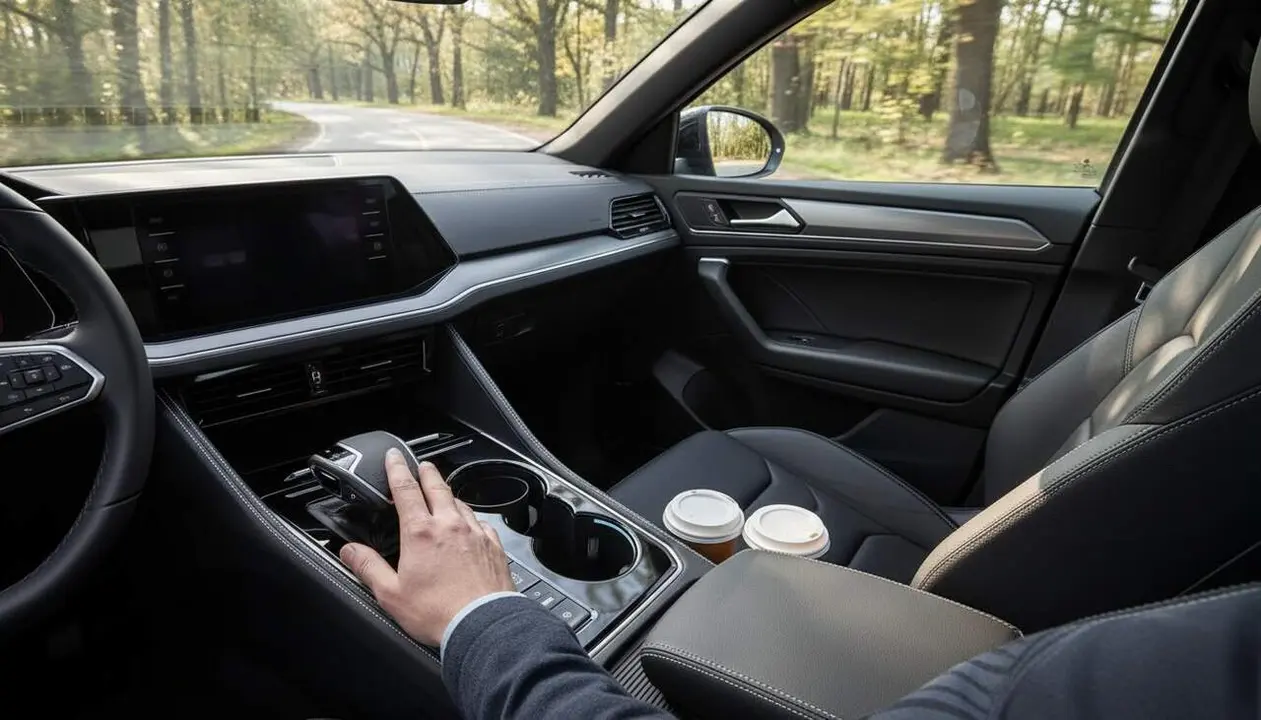

Using engine braking in automatic cars is key to preventing brakes from overheating on long descents. This way, you not only improve safety but also save fuel and reduce wear on the brake pads.
But, how do you do it when you don’t have a clutch pedal or a traditional manual gearbox? We explain it to you with a practical touch and without complications.
Why is engine braking vital on the road when going downhill?
What happens if you rely only on the brakes on a long descent?
Most drivers don’t consider that overusing brakes on steep slopes can cause a real danger: overheating. The phenomenon, known as fading, makes the brakes lose effectiveness and even stop working when you need them most. This happens especially in summer, when the temperature already makes everything hotter.
How does this affect the driver and the car?
Besides putting your safety at risk, the premature wear of pads and discs means an economic expense that you can avoid. Not to mention that the stress of driving with constant braking is a headache you can easily avoid.
How to use engine braking in an automatic car to avoid burning the brakes?
Is it possible to use engine braking in automatics?
The great news is that most automatic cars allow you to activate a manual mode that lets you downshift without a clutch. So, when you lift your foot off the accelerator and downshift, the engine slows the vehicle down strongly without having to touch the brakes.
What specific steps should you follow?
- Put the gear in manual mode or "Sport" if your car has it.
- Downshift with the lever, buttons, or paddles behind the steering wheel.
- Stop pressing the accelerator to let the engine slow the vehicle.
- Adjust the gear according to the slope to control the retention.
Unexpected advantages of mastering engine braking in an automatic
Just avoiding brakes overheating?
Of course not. Fuel consumption drops drastically because, when you lift your foot off the accelerator, the consumption is practically zero thanks to the absence of injection. Also, you save pads and discs, extending their lifespan and avoiding visits to the MOT for premature wear.
And what about electric cars?
Electric cars don’t have traditional engine braking but do have regenerative braking that performs a similar function. In many cases, the intensity can be modulated with paddles, and also, the battery is recharged while braking, increasing range.
To conclude, mastering this technique is a matter of safety, economy, and common sense. The DGT and industry experts insist it is basic knowledge that many drivers ignore but that can make a difference on a mountain road or a long trip.
If you have an automatic car, don’t let your vehicle think it is just a gas-guzzling SUV: make it work smartly and make the engine help you brake.
🎯 Driver’s license points lost: 0
📅 In effect since: 2026
🏛️ Authority: DGT
But beware, it is not just a matter of penalties but of avoiding a much worse problem on the road. Playing with gears to brake in an automatic is a trick that should be within everyone’s reach who wants to drive safely and smartly.
Those who master it not only avoid fatiguing the brakes but also gain confidence and control, especially on long slopes or in heavy traffic.
If you haven’t tried it yet, you know what you’re missing.
The reality is that this knowledge can save your life and money equally.
Frequently Asked Questions
- How can I tell if my automatic car has manual mode?
- Most indicate "M" or "S" on the gear lever or have paddles behind the steering wheel to downshift manually.
- Which gear should be used for engine braking on descents?
- Downshifting one or two gears depending on the slope and speed allows controlling retention and avoiding excessive brake use.
- Can electric cars brake the same way as automatics?
- Electric cars use regenerative braking that acts like engine braking, helping to control speed and recharge the battery.