5 figures explaining why the Tesla Model 3 is surprising this week

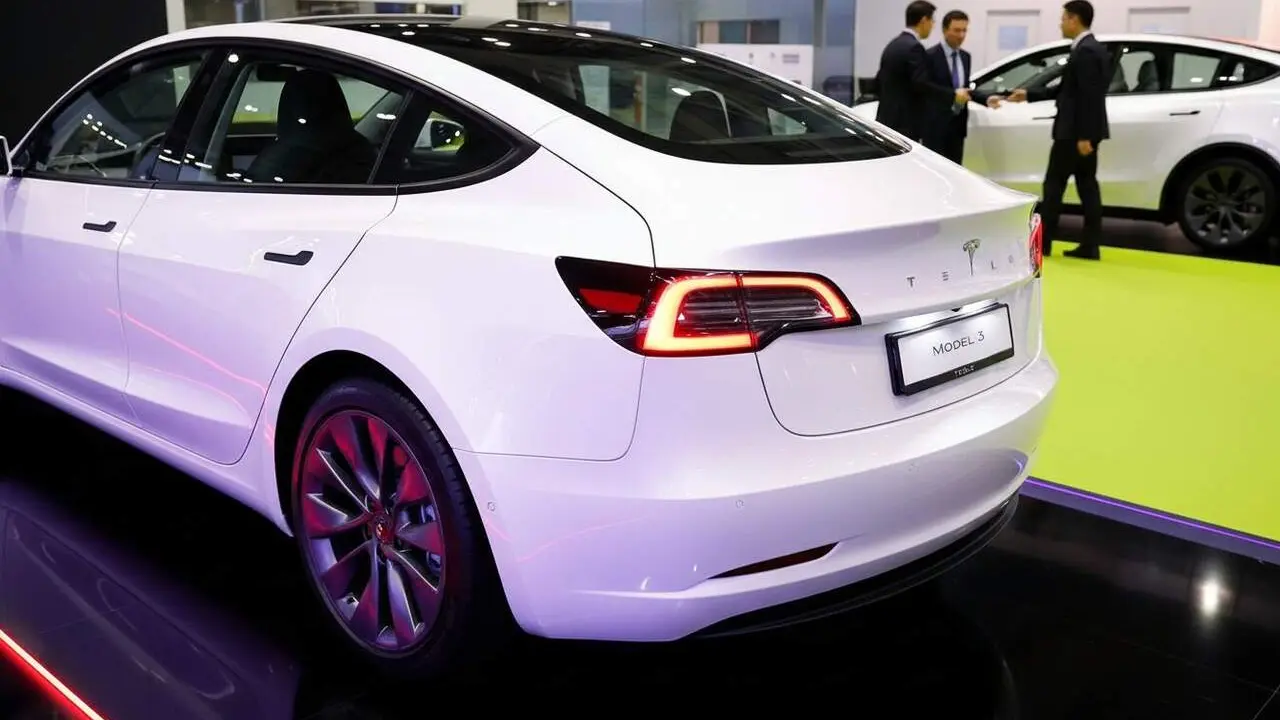
Because it has extreme figures that call into question the expected longevity of a battery. The protagonist is a **Tesla Model 3** driving through Europe, accumulating real experiences that make one think — and debate — about how long an electric car can last under intense use conditions.
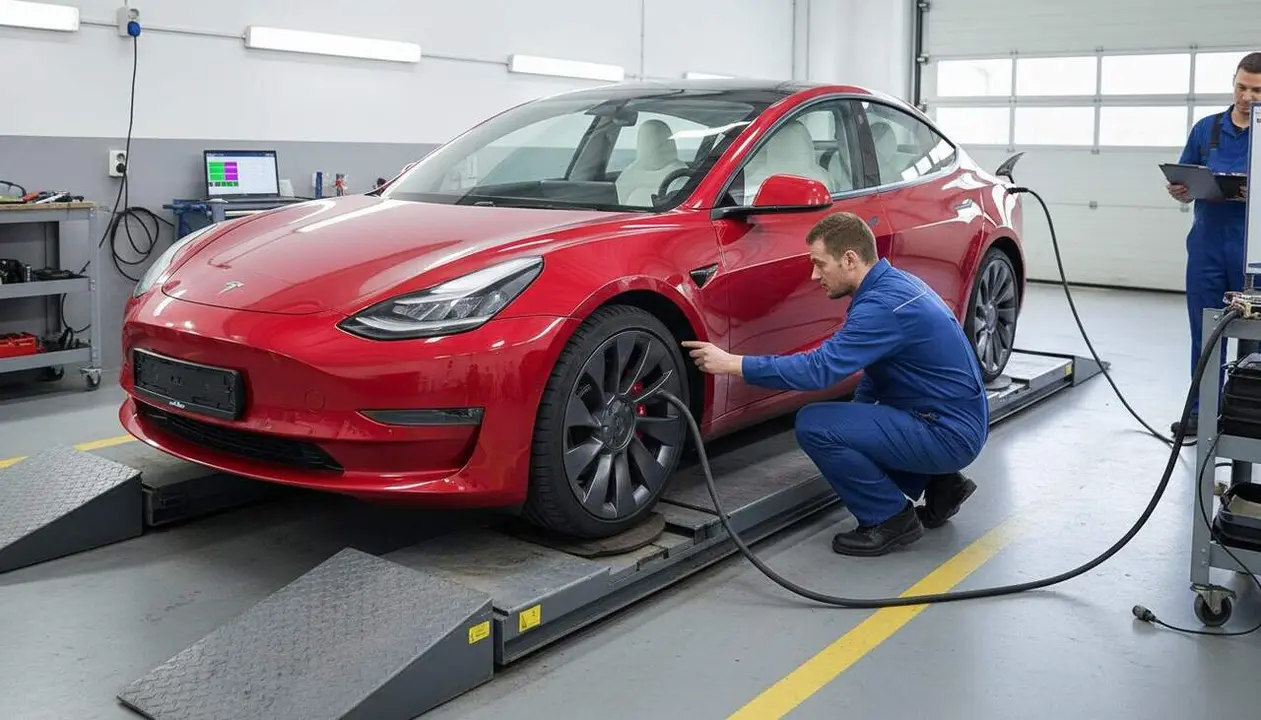
The case originates from an AutoWeek inspection and the owner’s testimony. The story is not free of cracks: there is wear, repairs, and a usage pattern that many consider aggressive for a battery (frequent fast charges, charging to 100% before hitting the road).
The case and the numbers: what has happened with this Tesla Model 3
Who is the owner and how many kilometers has it accumulated?
The car belongs to Joesoef Henar and was purchased at the end of 2019. At the inspection carried out by AutoWeek, the odometer showed **694,353 km**, and later publications already mention about **700,000 km** traveled. The magnitude of the mileage is the trigger for journalistic and technical interest.
Which battery and components remain original?
The battery pack and both motors are factory original. This is relevant because, on paper, battery replacement is one of the main concerns of buyers of a second-hand electric vehicle. The fact that the motors are also original reinforces the idea of mechanical durability in this particular case.
Battery condition and range: numbers to interpret
What capacity does the battery retain?
Tests indicate a State of Health (SoH) around 71%, and the BMS registers approximately 68%. This means a loss of about **30%** capacity from new, translating to a range that has gone from around **450 km** initially to usual values of **350–380 km** depending on driving and conditions.
How does this affect daily use?
The reduction in capacity is noticeable, but it does not make the vehicle unusable. For long trips, the Model 3 requires different planning than with a new battery, but for many daily uses it remains completely functional. The key is to interpret the SoH and the vehicle’s real history before buying.
Use, maintenance, and real cost: what the history reveals
How has it been charged and what has influenced the wear?
Henar acknowledges intensive use of Superchargers and frequent 100% charges. About half of the electricity consumed by the car comes from ultra-fast points. This pattern—frequent fast charging and full charges—is considered by many technicians as more aggressive for the battery, and this is precisely why the case is surprising: despite this, the battery has lasted to this point without replacement.
Which components have required repair or replacement?
The car has undergone suspension, air conditioning, and park sensor interventions. There have also been works on calipers and brake discs; paradoxically, the pads remain original thanks to regenerative braking. AutoWeek estimates about **€7,500** in maintenance and repairs (excluding tires) after nearly 700,000 km.
How does this affect the second-hand market?
This example changes the perspective on what to look for in a used EV. It is no longer enough to rely solely on the odometer; the **SoH** and usage history (charging, long trips, maintenance) are more valuable data to estimate the vehicle’s value and remaining useful life. Real BMS information and a detailed technical inspection gain prominence.
What practical risks and benefits does a buyer have?
The main risk is underestimating range loss and the cost of potentially worn components. The advantage is that, if the battery and motors have remained original up to this point, there is room to assess durability and avoid hasty decisions. Buying with real data becomes the buyer’s best defense.
The reality is that this case of the **Tesla Model 3** raises more questions than definite answers: it shows that a battery can go much further than many expected, albeit with noticeable degradation (SoH near **70%**). It also reminds us that intensive use—fast charging, constant travel—does not necessarily lead to early replacement, but does lead to a maintenance history that can end up costing several thousand euros.
Frequently Asked Questions
- Exactly how many kilometers has this Tesla Model 3 done?
- At the AutoWeek inspection, the odometer showed **694,353 km**; later reports indicate it has surpassed **700,000 km**.
- What capacity loss does the battery have?
- Tests indicate a **SoH of approximately 71%** and the BMS gives a value close to 68%, meaning a loss of about 30% compared to new.
- What maintenance cost has the vehicle incurred?
- AutoWeek estimates about **€7,500** in repairs and maintenance after nearly 700,000 km, excluding tires.