2 brands lead in electrical reliability: OCU has just released results and Tesla shines in satisfaction

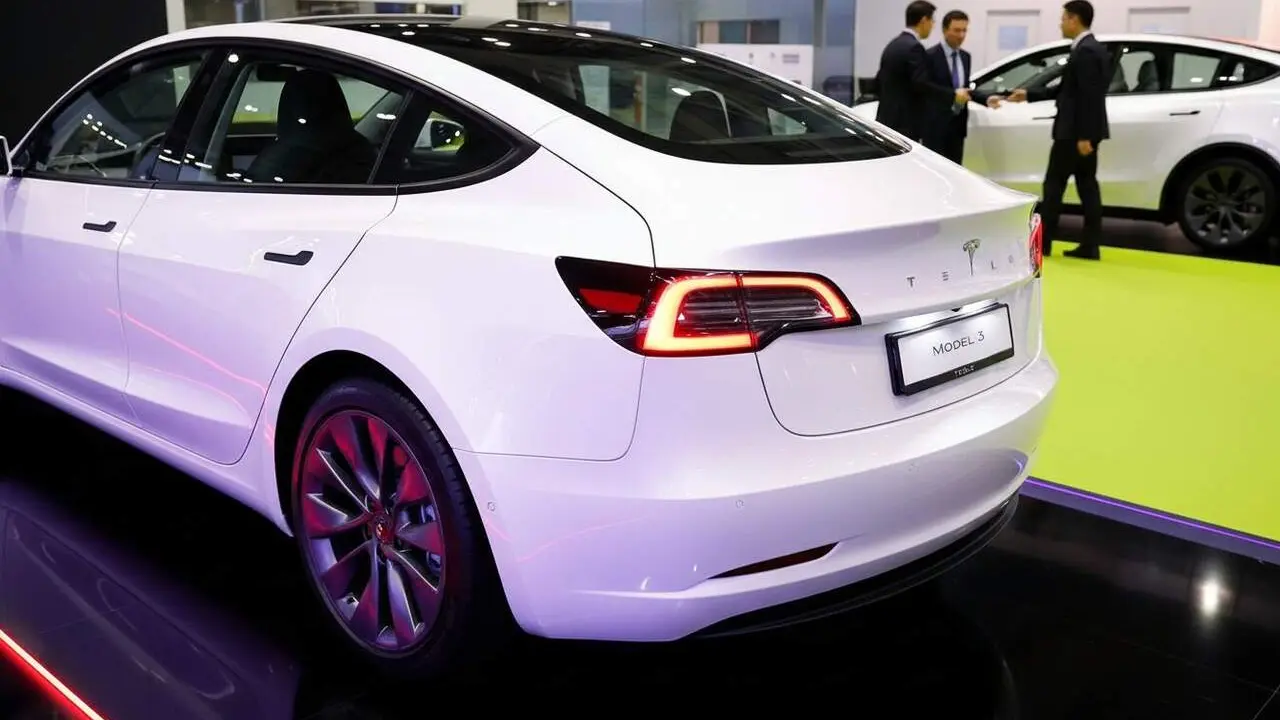
According to the OCU, BMW and Smart achieve the best reliability scores; Tesla is not the leader but stands out for user satisfaction and operational savings. The study is based on responses from 3,810 European electric vehicle drivers and measures reliability, satisfaction, and cost-effectiveness according to the owners themselves.
These data directly affect anyone considering buying an electric car: not only acquisition costs matter, but also the frequency and severity of breakdowns, the energy bill, and periodic maintenance (concepts that the OCU puts on the table with concrete figures).
Survey results and highlighted brands
Why does this matter to the reader? Choosing a brand today can reduce workshop visits and guarantee a smoother usage experience; moreover, some brands offer a level of satisfaction that goes beyond mere reliability.
Which brands come out on top?
BMW and Smart score 91 out of 100, according to the OCU. Next are Tesla, BYD, and Dacia with 89, and a group with 87 made up of Kia, Nissan, Renault, and MG.
This ranking not only reflects the absence of breakdowns but also the lower severity of those that occur. Interesting, isn’t it? Premium brands and some niche models can surprise with their perceived durability and reliability.
How was the survey conducted and what does it measure?
The sample includes 3,810 European users and evaluations in several areas: incidence of breakdowns, severity, overall satisfaction, and usage costs (energy, maintenance, and insurance).
But be clear: this is a user perception. This does not replace technical data subject to warranties or recalls, but does offer a practical snapshot of the daily experience.
What does reliability mean to the owner
For the buyer, reliability translates into fewer days without a car and fewer unexpected bills. This directly impacts the total cost of ownership and convenience, which matters to those who drive many kilometers or depend on the vehicle daily.
How does reliability affect repairs and costs?
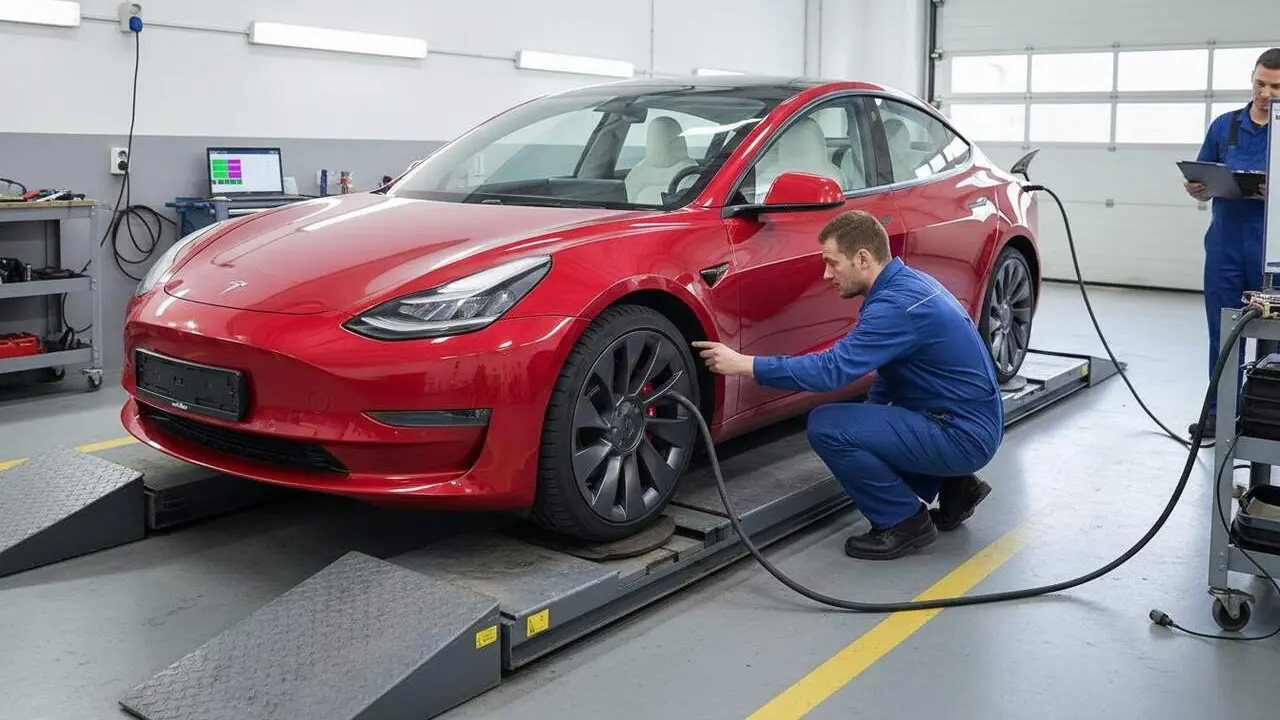
Fewer breakdowns mean fewer unforeseen expenses and less waiting time in the workshop; the OCU also points out differences in maintenance and insurance that can add up to money year after year.
For example, the organization calculates an average annual maintenance cost of €140 for electric vehicles versus €250 for combustion vehicles, and indicates that insurance is 36% more expensive for the latter.
What drives Tesla's high satisfaction?
Why does it matter to buyers? Satisfaction covers overall aspects: interface, driving experience, supercharger network, and product feel. Tesla leads the satisfaction rating despite not having the highest reliability.
This suggests that users prioritize the usage experience and charging network; for many, this compensates for minor issues.
Real savings: numbers that matter
If your decision depends on numbers, these figures are key: the OCU provides a comprehensive comparison of energy and maintenance costs based on concrete assumptions. Knowing the basis (and why) allows you to better judge each case.
How much can you save at 100,000 km?
The OCU starts from an average consumption of 18 kWh per 100 km and an electricity price of €0.15/kWh, with home charging. It thus calculates an electric cost of €2,700 to travel 100,000 km, or approximately €2.7 per 100 km.
In comparison, with a gasoline vehicle with an assumed average consumption of 7.5 l/100 km, the OCU estimates a cost of €12,000 for the same 100,000 km. The difference indicated is €9,300 in favor of the electric car, according to the parameters used.
And the battery, how long does it last?
The average battery life, according to the OCU, is 300,000 km. This is twice the usual warranty period from manufacturers, according to the same study, and reduces concerns about a very expensive replacement in the short term.
Bear in mind, however, that performance may vary depending on predominant use (a lot of highway driving can increase consumption) and charging conditions.
| Brand | OCU Score (out of 100) | Comment |
|---|---|---|
| BMW | 91 | Excellent reliability perception |
| Smart | 91 | High durability and low severity of breakdowns |
| Tesla | 89 | Maximum user satisfaction |
| BYD | 89 | Direct sales rival |
| Dacia | 89 | Limited but reliable electric model |
| Kia / Nissan / Renault / MG | 87 | Group with good joint ratings |
- Pros: clear energy savings according to the OCU, lower maintenance cost (€140/year), and high battery life (300,000 km).
- Cons: higher acquisition cost and variability depending on use (highway increases consumption over the 18 kWh average).
- Key aspect: user satisfaction (where Tesla excels) can offset a non-leading position in reliability.
Expert verdict: For those seeking minimal technical issues and low severity of breakdowns, BMW or Smart are solid options according to the OCU. If you value user experience and charging network, Tesla maintains an intangible advantage. The choice must combine perceived reliability with real use — mileage, type of trips, and access to home charging.
The reality is the OCU ranking provides two practical lessons: look at the reliability score of the brand, but do not forget usage satisfaction and economic data. If you drive many urban kilometers and have home charging, energy savings can be extraordinary; if you travel a lot on highways, review actual consumption before deciding.
Frequently Asked Questions
- Which brands top the reliability chart according to the OCU?
- BMW and Smart achieve the highest score with 91 out of 100, according to the OCU survey among 3,810 users.
- How much can you save with an electric car at 100,000 km?
- With OCU figures (18 kWh/100 km and €0.15/kWh), the electric cost is €2,700 for 100,000 km, versus €12,000 for a gasoline vehicle in the estimate used.
- Is the battery a long-term problem?
- The OCU points to an average battery life of 300,000 km, twice the usual warranty, which minimizes the short-term replacement risk.