Forestry companies remove burned trees in Paüls at no cost
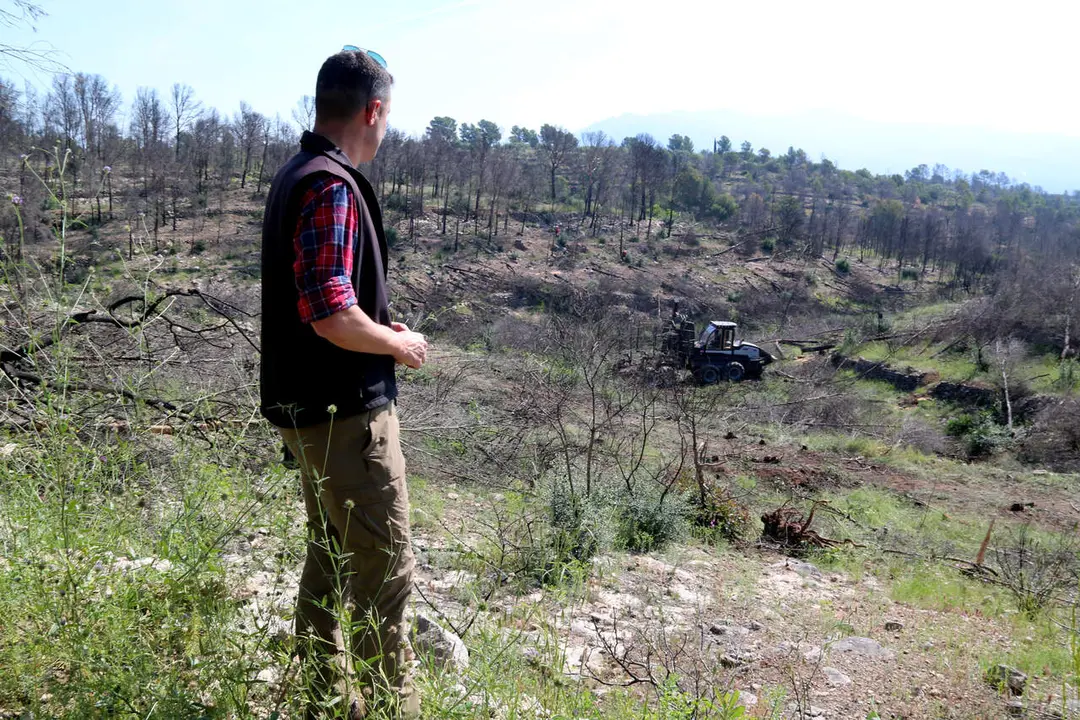

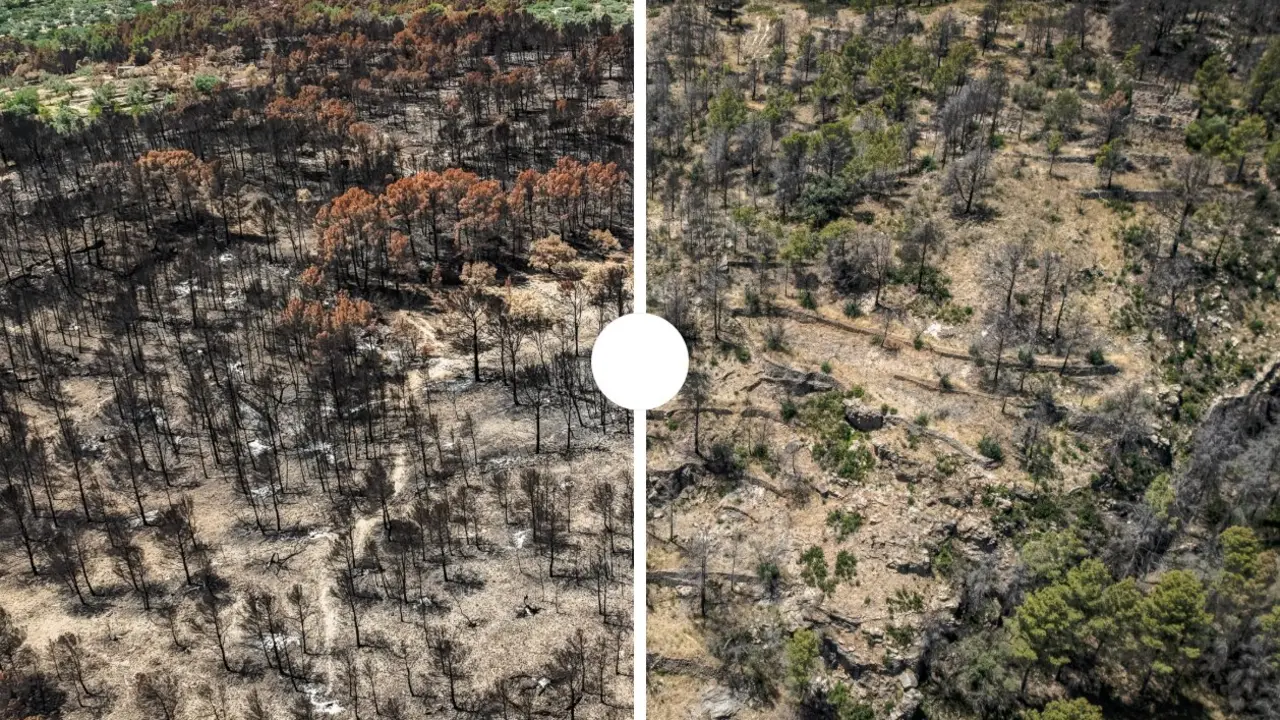
Four forestry companies are in charge of removing the burned wood from the Paüls fire at no cost to the landowners. This pioneering initiative allows intervention on properties that would have been abandoned due to the fragmentation of ownership.
When a fire burns the land, the job does not always end when the fire is extinguished. Paüls is a living example: the subsequent management is key and can make the difference between recovering the land or letting it die. This is where four forestry companies come into play, coordinated with the administrations, carrying out cleanup at no cost to the farmers.
The pioneering model that makes forest management profitable
How does coordination between administrations and companies work?
Coordination allows grouping the plots into twelve lots that are profitable for the timber companies. Without this, the high cost and fragmentation of owners would have left many properties abandoned and without intervention.
What does the involvement of administrations bring?
The administrations act as intermediaries, facilitating the identification of the owners and organizing the extraction of the burned wood. This avoids farmers having to bear the direct costs of the cleanup.
Local impact and challenges of land fragmentation
Why does fragmentation complicate forest management?
The agricultural mosaic of Baix Ebre is extremely fragmented. Many properties are small and have owners who are difficult to locate, which blocks traditional forestry actions.
How is it prevented that the lands are abandoned?
The model based on lots and coordination allows acting on multiple properties simultaneously, ensuring that the cleanup is efficient and that the territory does not deteriorate further.
Practical details of the intervention
Which companies are responsible for the removal?
Four local forestry companies lead the removal of the burned trees, ensuring that the wood is properly managed and that the process is sustainable and economically viable.
How does the landowner benefit?
The owner does not have to pay for the removal or cleanup, as coordination and the sale or management of the burned wood cover the costs, thus avoiding the economic burden locally.
| Aspect | Detail |
|---|---|
| Number of companies | 4 |
| Number of lots created | 12 |
| Cost for owners | None |
| Territory fragmentation | High, difficult owner location |
The involvement of a forestry engineer like Jordi Galofré highlights the complexity of the task: without coordination, many plots could not have been intervened. Thus, the model sets a milestone for future post-fire management in the region.
Cleaning these properties is not only physical work but also a lesson in collaboration that could prevent another fire from leaving the territory even more damaged. And you, do you know anyone in Paüls who has noticed the change after the cleanup?
Source of the article: Anna Ferràs | ACN