5 reasons to discover Matalascañas: beach, history, and nature in Huelva this summer 2026
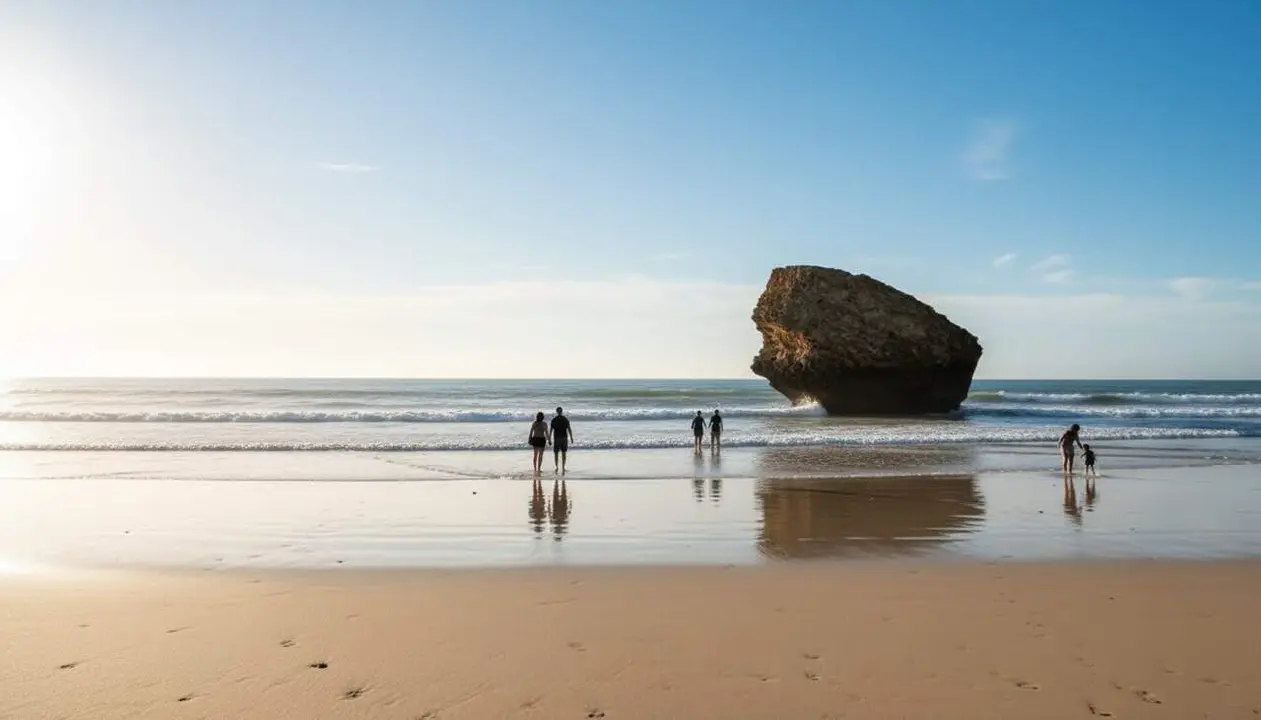

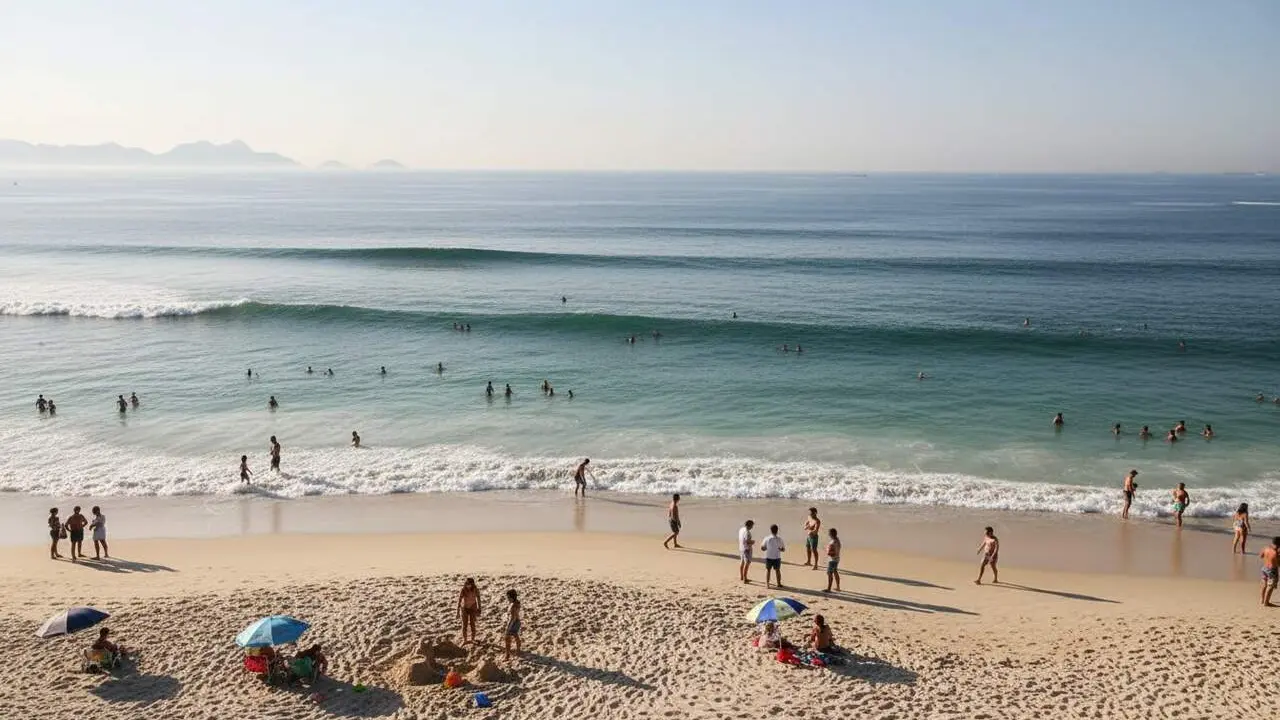
Matalascañas offers more than five kilometers of fine sandy beach and clear waters. This corner of Huelva is not just a sunbathing destination but a place where nature and history face the Atlantic.
The combination of a well-preserved coast and 16th-century remains makes it a spot that attracts thousands of visitors every summer. But what makes this beach so special? We will see.
Matalascañas: the beach where history emerges from the sand
💶 Currency: Euro, approximate daily budget 50€.
✈️ How to get there: Seville Airport, 100 km by road.
📅 Best time to go: June-September, to enjoy beach and nature.
What makes Matalascañas beach in Huelva unique?
The main attraction is its stretch of more than 5 km of fine golden sand, which means it never feels overcrowded despite the large summer crowds. Moreover, it combines urban areas with virtually untouched spaces, which is unusual on such popular beaches.
But Matalascañas is not just sun and sea: right at the edge of the sand, the remains of the Torre de la Higuera, a 16th-century defensive structure, emerge. This tower, popularly known as La Peña or El Tapón, recalls the time when the Andalusian coast suffered attacks from Berber pirates.
What story does the Torre de la Higuera tell?
During the reign of Philip II, a network of watchtowers was built along the Andalusian coast, from Gibraltar to Ayamonte, to protect the coast from possible enemy incursions. The Torre de la Higuera was one of these key elements.
Today only remains are left, and its inverted shape has generated various theories: some attribute its current state to the 1755 Lisbon earthquake, others to the maritime storms that have worn it down. Either way, it is one of the most photographed spots on the coast of Huelva.
The natural access to Doñana National Park
Why is Matalascañas the gateway to Doñana National Park?
Matalascañas is located right next to Doñana National Park, one of the most important and protected natural areas in Europe, declared a UNESCO World Heritage Site. This gives it extra value for nature and biodiversity lovers.
From the nearby El Acebuche Visitor Center, you can take excursions through different ecosystems including marshes, mobile dunes, and pine forests, as well as spot iconic species like the Iberian lynx or migratory birds.
What activities does the Matalascañas Dune Park offer?
One of the great attractions of the area is the Matalascañas Dune Park, a 130-hectare space with dunes and pine forests stretching to Mazagón. Its marked trails invite discovering the local flora and fauna of the Huelva coast.
Additionally, horseback riding tours or nature excursions are common, and the site is known for ideal conditions for paragliding, especially at the Asperillo cliff.
Tourism and life in Matalascañas
How has Matalascañas evolved as a tourist destination?
Matalascañas began developing as a tourist hub in the 1970s, and today it is one of the most important destinations in southern Spain. Its population grows from less than 3,000 inhabitants in winter to more than 100,000 in summer.
The seafront promenade concentrates most services, restaurants, and entertainment options, but what really attracts is enjoying the orange sunsets over the Atlantic, with an offer that blends tradition and modernity.
What are the main attractions for visitors?
- Extensive and clean beach with spaces for everyone.
- Historical remains with the 16th-century tower as a symbol.
- Direct access to Doñana National Park, ideal for outdoor activities.
- Horseback riding and paragliding for the more adventurous.
- Gastronomic and leisure offerings on the seafront promenade.
With all this, Matalascañas represents a destination that equally satisfies those seeking to relax on the beach and lovers of nature and history. It is a place where every detail, from the sand to the horizon, speaks of a very defined identity.
But be aware, because its popularity also brings crowds in summer: it is a place where sun, culture, and nature blend to make each visit a unique and contrast-filled experience.
If you like combining beach with a touch of adventure and history, Matalascañas is a safe bet for summer 2026.
In short, beyond its more than five kilometers of sand and natural beauty, this Huelva beach is a meeting point between past and present, a setting where nature and historical memory can be seen and felt in every corner.
Frequently Asked Questions
- What is the best time to visit Matalascañas?
- The months from June to September are ideal to enjoy the beach and Doñana National Park with warm and dry weather.
- How can I get to Matalascañas from Spain?
- Seville Airport is the closest. From there, you can reach it by car or bus about 100 km by road.
- What can be seen at the Torre de la Higuera?
- The tower is a 16th-century remnant, built to protect the coast from pirates; today only inverted remains remain, which are a very photogenic spot.