5 secrets of Calp: heritage, nature, and gastronomy on the Costa Blanca
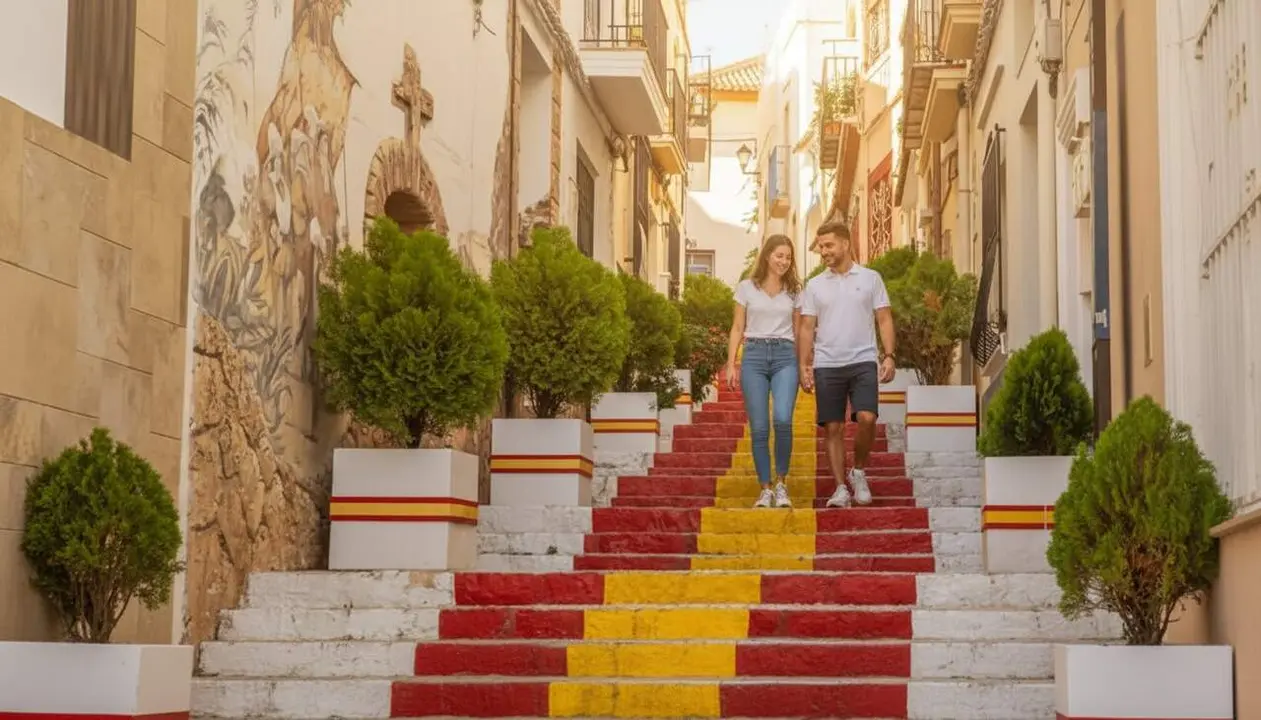

Calp is one of the most complete destinations on the Costa Blanca, where heritage, nature, and gastronomy come together. But it’s not just beaches: the town breathes a fishing tradition and a unique atmosphere that attracts travelers eager to discover beyond the surface.
The Peñón de Ifach dominates the horizon and sets the pace of the fishing port, the living soul of the town. But what makes Calp so special? It’s not just history or sea, but the combination of all these elements that makes this Mediterranean corner a must-visit stop.
Calp, a perfect balance between history and sea
💶 Currency: Euro, daily budget 50-70 €
✈️ How to get there: Alicante-Elche Airport, 70 km by highway
📅 Best time: May-June and September to avoid crowds
What makes Calp’s fishing port unique?
The fishing port is the beating heart of the town. Fishermen with nets spread out in the sun and boats coming and going create a scene that seems frozen in time. This constant activity keeps alive a fishing tradition that is also reflected in the local gastronomy.
Where does the journey through Calp’s heritage begin?
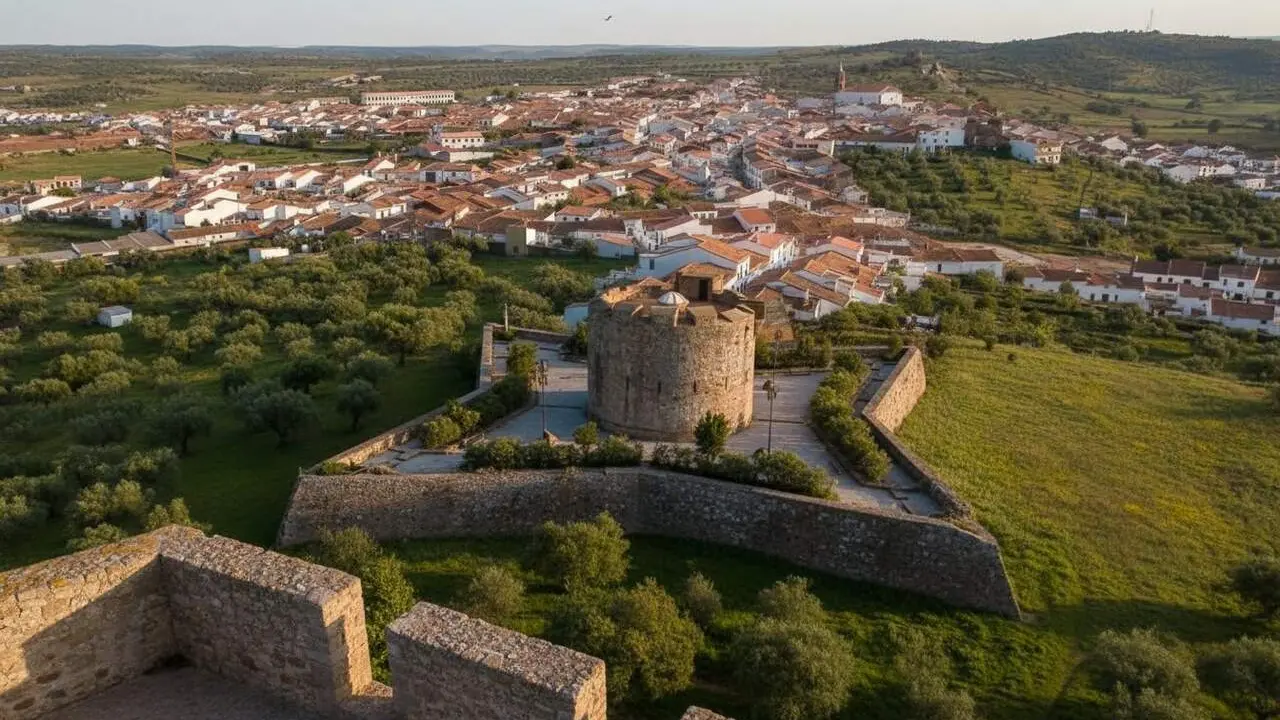
The old town is a labyrinth of cobbled streets, walls, and balconies full of flowers. With places like Plaza de la Vila and the Church of Our Lady of the Snows, visitors delve into the living history of the municipality. In addition, the Museum of Collecting and the History Museum narrate Calp’s evolution with local objects and memories.
Architecture and nature: a contrast that enchants
Why is La Muralla Roja an icon of Calp?
The architectural complex designed by Ricardo Bofill is a visual shock compared to traditional aesthetics. La Muralla Roja, together with Xanadú and L’Amfiteatre, offers shapes and colors that captivate photography lovers, although they can only be seen from the outside because they are private residences.
What does the Peñón de Ifach and its surroundings offer?
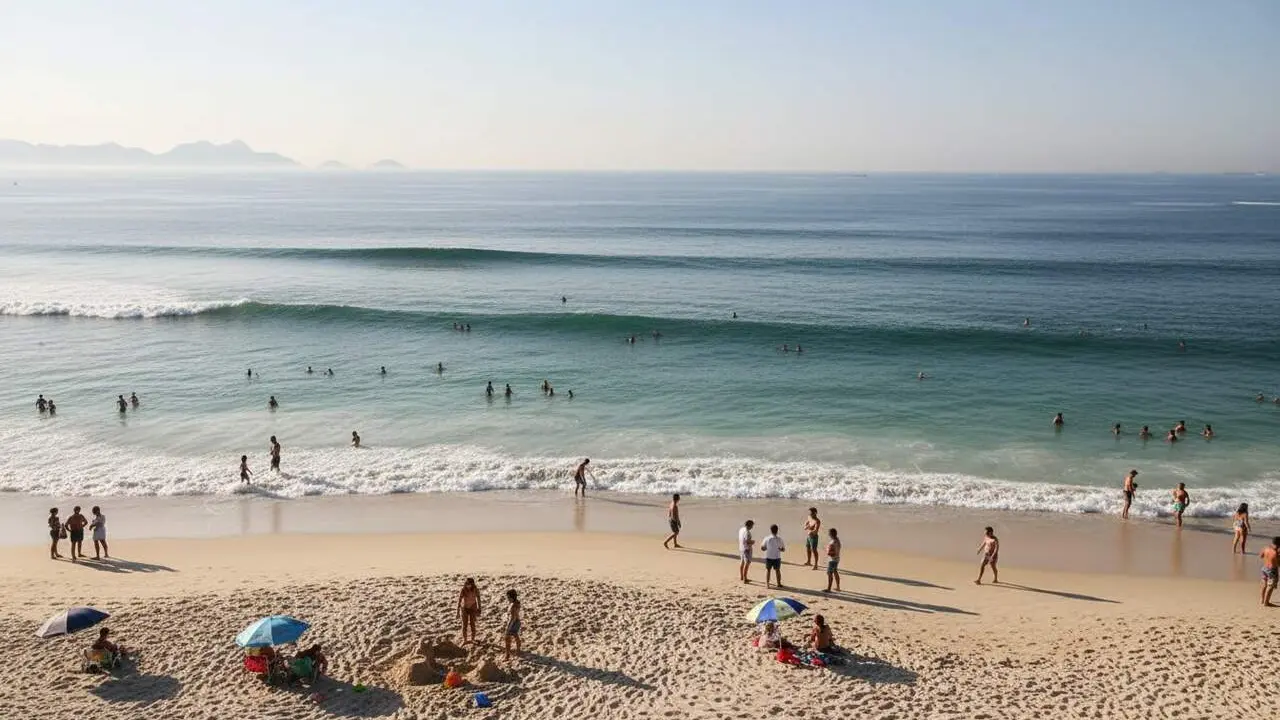
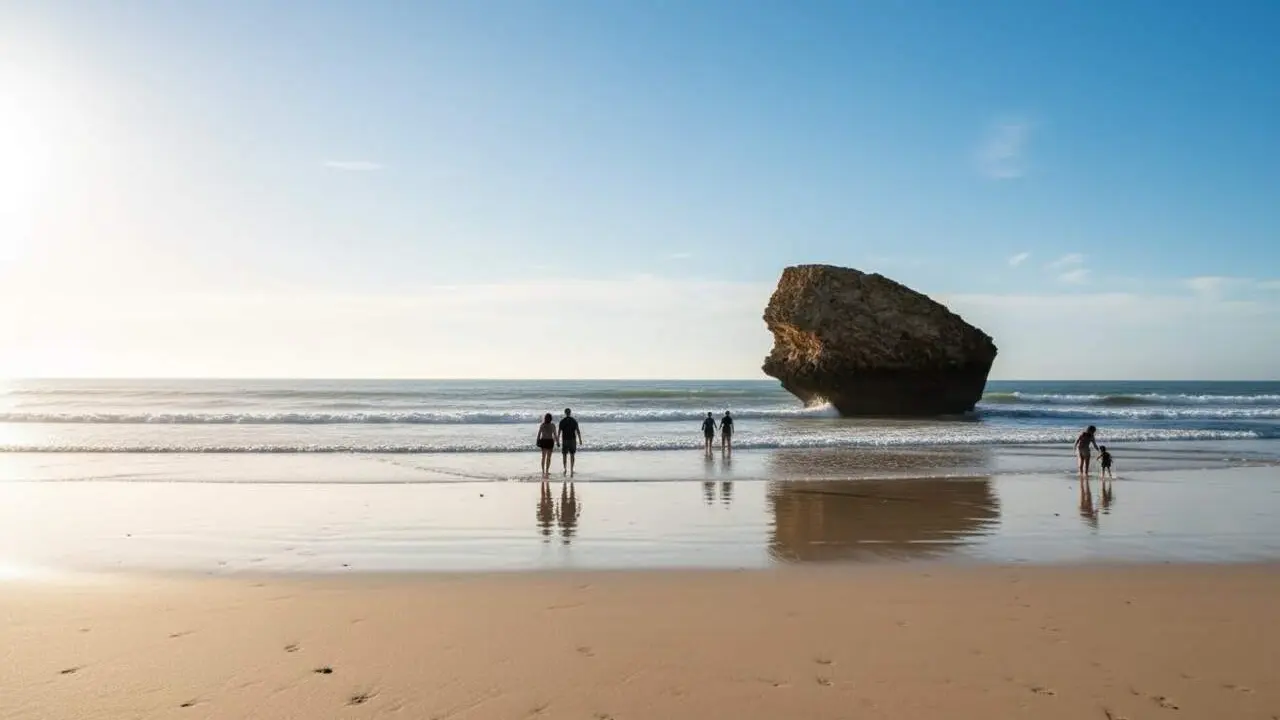
The ascent to the Peñón de Ifach allows a privileged view of the Mediterranean coast. Around it, the Calp salt flats are an ideal place to spot flamingos and other water birds. Additionally, beaches such as La Fossa, Calalga, and El Racó, along with the ecological trail and various viewpoints, complement the natural experience.
Gastronomy: star-quality seafood cuisine
Which dishes should you not miss in Calp?
Calp has three Michelin-starred restaurants that put the town on the gastronomic map. But the local cuisine also stands out with dishes such as octopus stew, stew with meatballs, and the traditional Calp llauna, made with fresh Mediterranean fish.
How does the gastronomy reflect the fishing tradition?
Rice dishes, seafood, and prawns are the undisputed protagonists. The combination of local products and traditional recipes makes each meal a journey through the flavors of the port and the sea, keeping the Mediterranean essence of the town alive.
Calp is more than a tourist destination: it is a place where nature, history, fishing tradition, and gastronomy merge into a unique experience. This combination makes it an essential spot for anyone wanting to discover the most authentic Costa Blanca.
Frequently Asked Questions
- What is the best time to visit Calp?
- The months of May, June, and September are ideal to avoid crowds and enjoy mild weather.
- How can you get to Calp from the airport?
- From Alicante-Elche Airport, Calp is about 70 km by highway, with options by car or bus.
- Which traditional dishes are highlights in Calp?
- Octopus stew, Calp llauna, and seafood rice dishes are the most characteristic dishes to try.