The scars from the Paüls fire still mark 3,321 hectares one year later
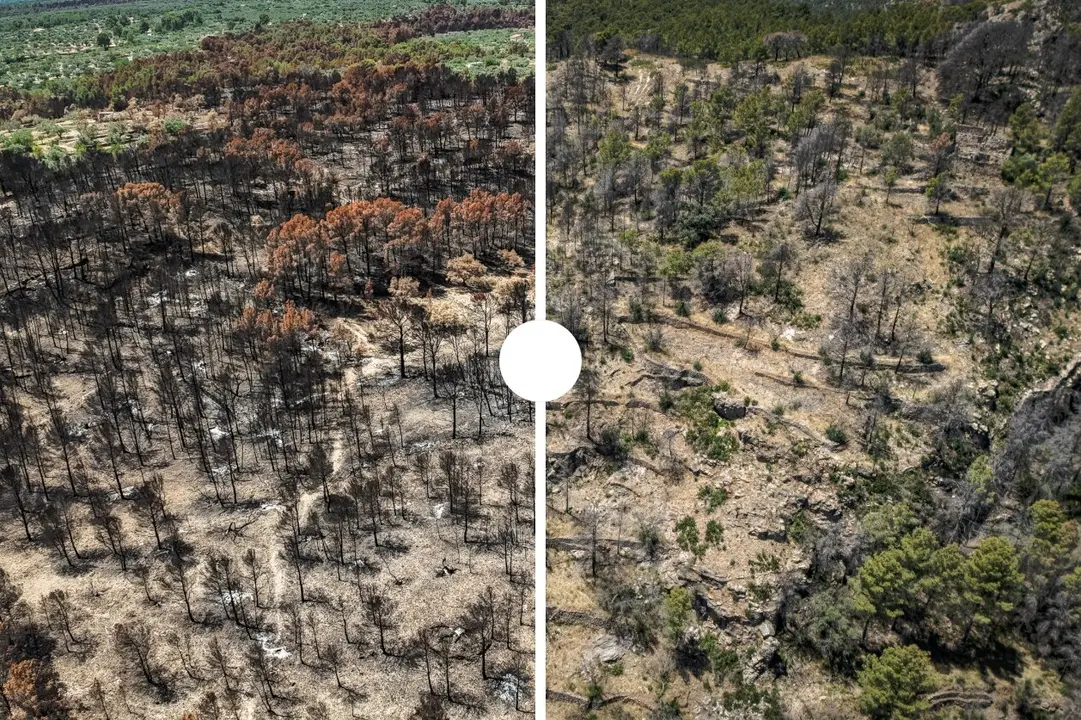

The Paüls fire devastated 3,321 hectares of forest and agricultural areas. One year later, the landscape remains marked by scars visible only from the air, where the burned vegetation still leaves its mark.
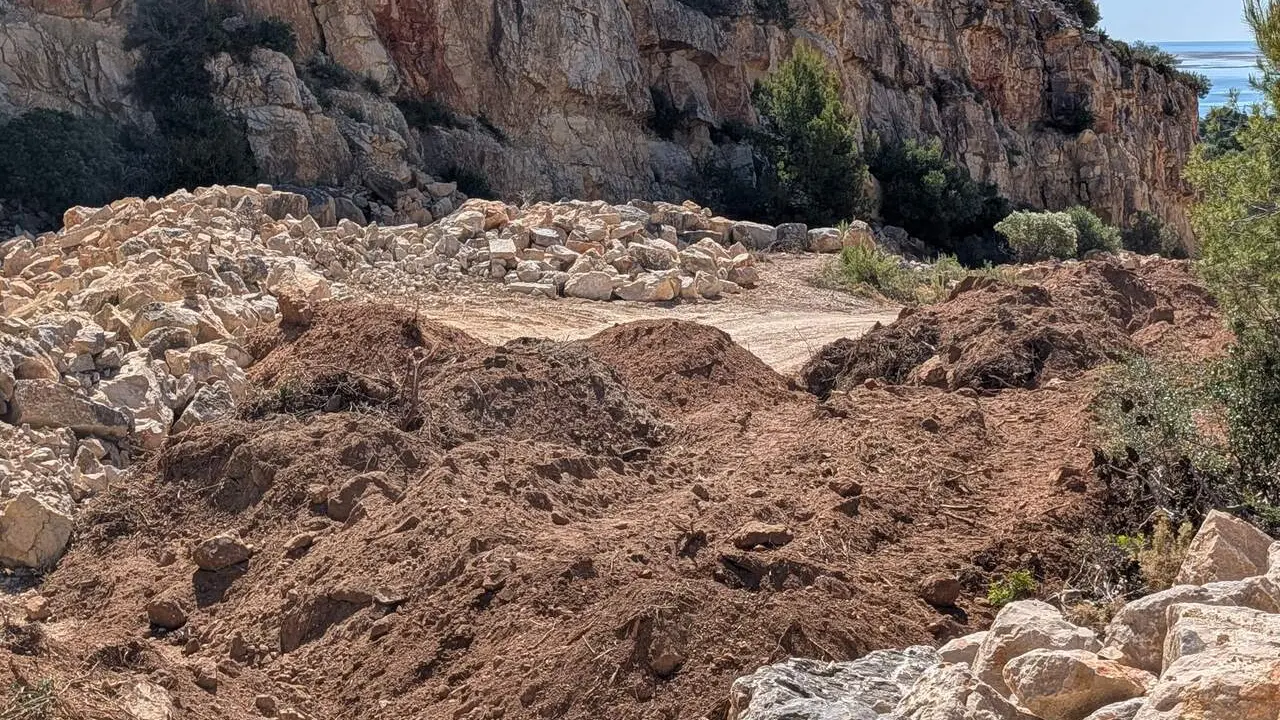
Images captured by drone show that the recovery of the area has been very limited, with scattered actions reaching only small clearings where burned trees have been removed. This situation reveals the agricultural mosaic that existed before the fire, a fact that draws attention due to the abandonment of the landscape.
Impact and current situation of the Paüls fire
What has happened to the affected hectares?
The area of Paüls, Alfara de Carles, and extending to Xerta and Tivenys suffered a fire that spread rapidly and violently, especially the first night when the wind pushed the fire towards the Ebro. The result: 3,321 hectares burned and a territory that has yet to recover its original essence.
How does this affect the neighbors of the region?
The residents can see that the forest is not recovering as expected, while the old agricultural mosaic reappears in deforested areas. This indicates that nature is transforming, but not positively for the forest or for the traditional uses of the land.
Public and private intervention for restoration
What has been done so far to rehabilitate the burned area?
Actions have mainly focused on the extraction of burned trees by private companies coordinated by local councils. However, these actions are very punctual and do not achieve a complete restoration of the territory.
Why is recovery so slow and limited?
The lack of resources and determined public initiatives has left the area in a state of stagnation. The complexity of the terrain and the large affected surface also do not help speed up rehabilitation.
The immediate future of the affected landscape
What are the prospects for the recovery of the agricultural mosaic and the forest?
The reappearing agricultural mosaic could represent an opportunity to rethink land use, but it also poses challenges on how to manage a changing landscape affected by such a large fire.
How can inhabitants and administrations contribute to recovery?
A joint strategy is needed involving residents, councils, and administrations to promote more ambitious restoration projects that recover not only vegetation but also the economic and cultural activity of the area.
| Aspect | Details |
|---|---|
| Affected area | 3,321 hectares |
| Affected zones | Paüls, Alfara de Carles, Xerta, Tivenys |
| Type of territory | Forest and agricultural |
| Actions taken | Removal of burned trees by private companies |
| Current status | Almost nonexistent restoration, emerging agricultural mosaic |
Source of the article: Jordi Borràs / Anna Ferràs / Guifré Jordan | ACN