The rice campaign in the Ebro Delta begins 10 days earlier with falling prices and soaring costs

The rice campaign in the Ebro Delta has started earlier than usual and amid a cost and price crisis that worries local producers. The bomba variety is the first to be harvested, but uncertainty about the market and new varieties marks the season.
Rice growers face the harvest with the pressure of rising expenses and the forecast that the crop will be paid less. This scenario raises doubts about the viability of a key sector in the region.
The harvest begins with Bomba rice and what changes there are this season
Why has the harvest been brought forward by a week in the Ebro Delta?
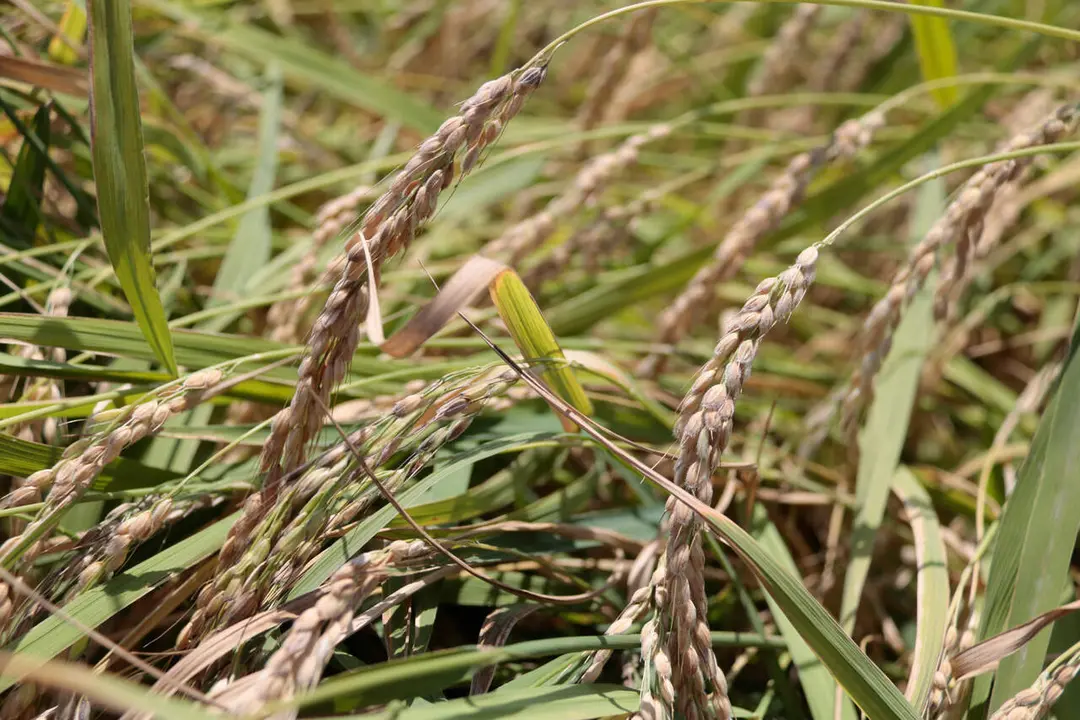
The harvesting of bomba rice began on Monday, about ten days earlier than other years. The very hot summer has accelerated the maturation cycle of this variety, which is the earliest and has a short cycle.
Àlex Morales, president of the Montsià Rice Chamber, explains that this advance will also affect other varieties. The main reason is to avoid damage that storms may cause to the rice, especially in the more sensitive species.
How have the heat and fungi affected the quality of the crop?
Despite the high temperatures, the quality of the rice has not suffered. Josep Antoni Vidal, from Unió de Pagesos, confirms that the fungi have also not caused significant problems so far.
The forecast is for a harvest similar to last season, with about 135,000 tons, and even a possible increase in the quality and quantity of the grain. It will all depend on the weather in the coming weeks.
Why are rice growers worried about rising costs and falling prices?
Which costs have skyrocketed and why is it a serious problem?
Energy costs, especially the price of gasoline, have risen greatly, putting pressure on producers' margins. Vidal denounces that current prices do not even cover expenses, and rice is being sold at prices similar to those from ten years ago.
The situation is unsustainable because, although production costs have risen, selling prices have dropped to just over 300 euros per ton, when a couple of years ago they were above 400 euros.
How have agro-environmental subsidies impacted this crisis?
Rice growers have lost part of the aid they used to receive, dropping from 360 euros per hectare years ago to only 250 euros currently. This reduction worsens the economic pressure on a sector considered strategic.
From Unió de Pagesos, they demand stability and policies that protect food sovereignty and prevent local production from disappearing due to lack of viability.
What novelties do the new rice varieties bring to the Ebro Delta?
Which varieties are they testing and why?
This campaign serves to test new varieties such as Campanar PV, Guadiamar (Viciamar), Hispasen, and Hispasur. These are species with shorter cycles and more resistant to fungi, adapted to the limitations on the use of phytosanitary products imposed by the EU.
The president of the Rice Chamber highlights that JSendra, historically widely used, has a very long cycle, and that is why alternatives have been sought to enable earlier harvesting and guarantee quality.
What challenges does testing new varieties in the Delta involve?
Josep Antoni Vidal explains that the Delta has unique characteristics, such as the presence of direct irrigation water, which may affect the behavior of these novelties. This year’s harvest will be a trial and error that will help decide which varieties are most suitable.
It is an important challenge because guaranteeing the sustainability and quality of rice in the Delta depends on adapting to new climatic and regulatory conditions.
| Aspect | Detail |
|---|---|
| Start of harvest | 10 days earlier than normal |
| Early variety | Bomba |
| Expected production | 135,000 tons |
| Current price | About 300 euros per ton |
| Agro-environmental subsidies | Reduced from 360 to 250 euros per hectare |
| Varietal novelties | Campanar PV, Guadiamar, Hispasen, Hispasur |
Article source: Anna Ferràs / Ariadna Escoda / Catalan News Agency