The surprising method that recovers 95% of old lithium battery capacity
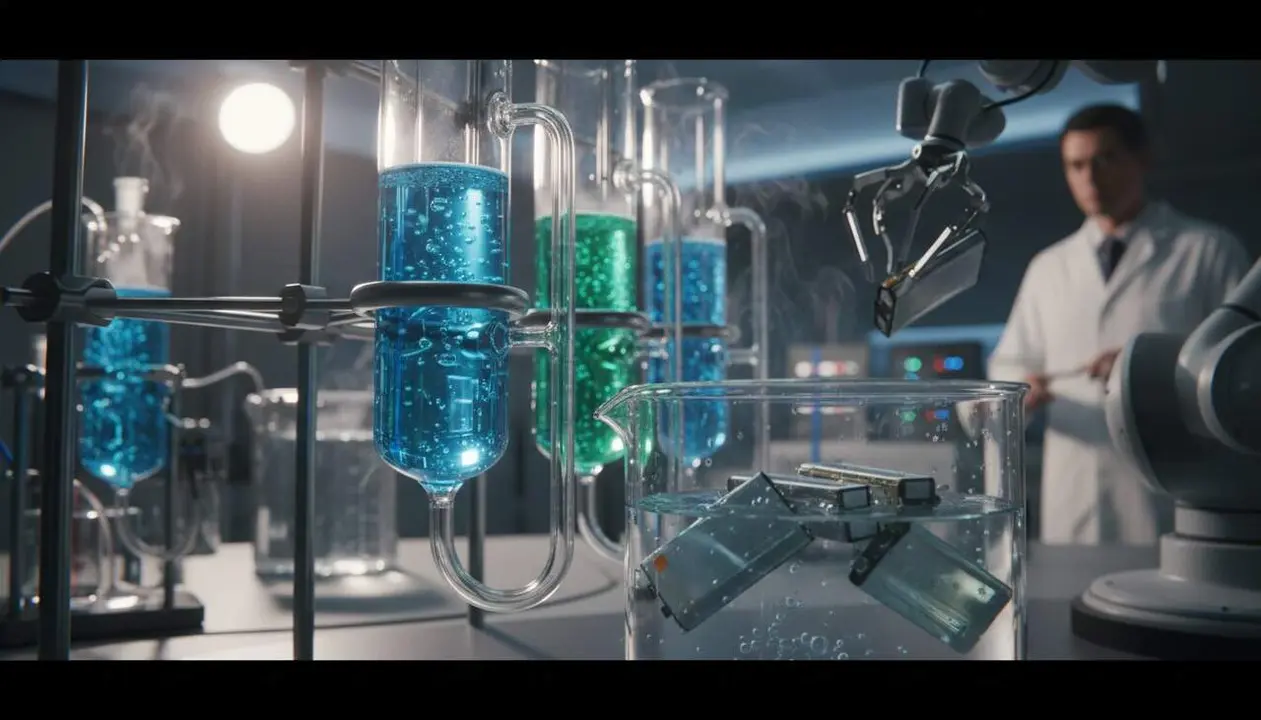

Researchers have managed to restore up to 95% of the original capacity of depleted lithium batteries, avoiding their complete replacement. This discovery could transform the way we manage recycling and the lifespan of electronic devices.
The devices we use daily rely heavily on lithium batteries, but these lose efficiency over time. The new technique developed at Cornell University offers a solution that interests both consumers and the technology industry.
Why is it crucial to recover depleted lithium batteries?
Recovering batteries not only reduces the need for new manufacturing but also alleviates the environmental pressure caused by mineral extraction and pollution from traditional recycling.
How does this affect everyday life?
Our batteries last longer, avoiding the need to buy new devices as frequently and promoting more sustainable consumption.
What advantages does it have for the industry?
It allows reducing recycling costs by up to 56%, which can lead to lower prices for final products and a smaller ecological footprint.
What does the DEER regeneration method consist of?
DEER (Direct Electrode to Electrode Regeneration) is a process that keeps the electrodes intact, avoiding their destruction, then cleans them and recovers their functionality.
How exactly does the process work?
The electrodes are removed without damaging them and immersed in an electrochemical bath that dissolves the layer that wears out the battery, restoring its capacity.
Why is this technique better than previous ones?
Traditional techniques break down the components to extract materials, while DEER directly repairs the original parts, saving resources and energy.
Environmental impact and future of battery recycling
The new technique provides a much more ecological and efficient approach to managing electronic waste, a growing global problem.
How does this innovation help reduce pollution?
It minimizes the use of new materials and reduces aggressive chemical processes that pollute the environment.
What are the challenges for its massive implementation?
It is necessary to adapt the technology to an industrial scale and ensure economic viability so it reaches regular consumer markets.
| Aspect | Traditional Method | DEER Method |
|---|---|---|
| Electrode destruction | Yes | No |
| Capacity recovery | Limited | Up to 95% |
| Environmental impact | High | Low |
| Recycling costs | High | Reduction of 56% |
This innovation represents a paradigm shift in battery management, which could improve the sustainability of many technologies that depend on stored energy.