Samsung's revolutionary mobile: the 'brick' that unfolds
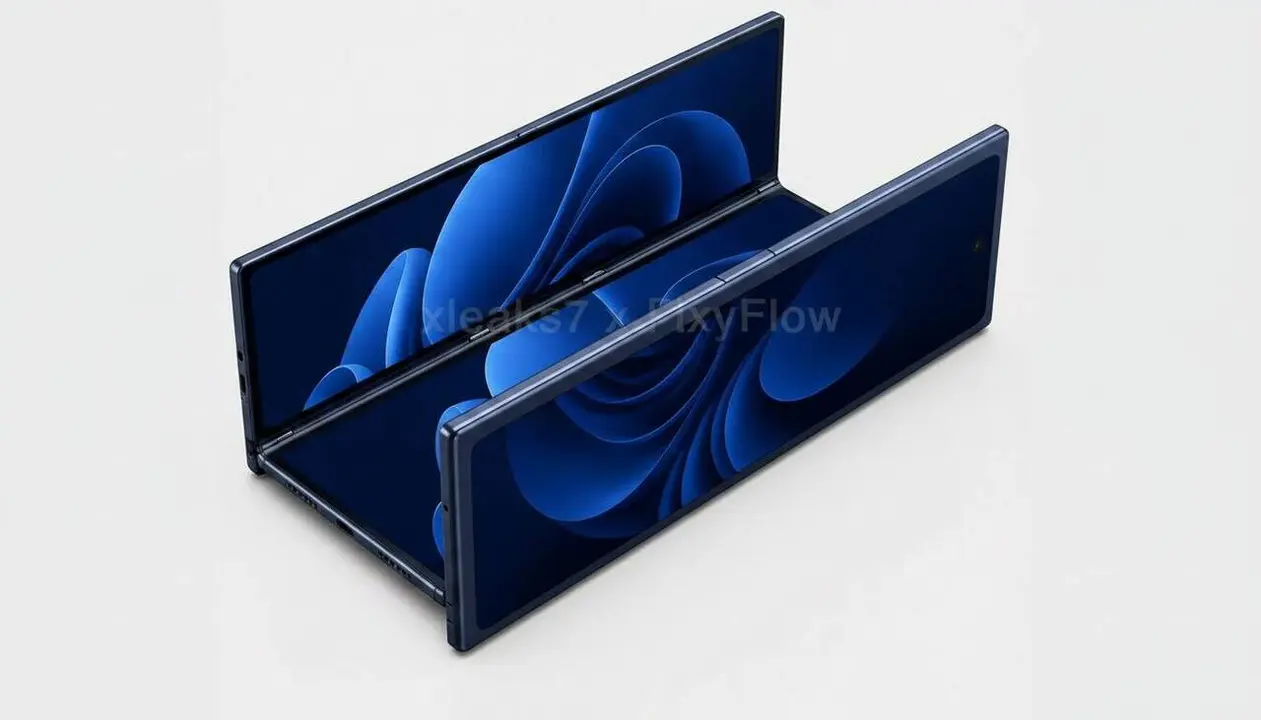

Samsung has patented a phone that radically changes its shape: from a compact 'brick' to a large foldable and rollable tablet. This innovation could redefine how we use smartphones, combining extreme portability with expanded functionality.
Imagine a device that not only folds but also rolls up, offering multiple shapes to suit your needs. This is Samsung's proposal that is generating excitement on social media.
Samsung's patent and its impact on the mobile sector
Why is this new technology interesting to users?
The possibility of a phone that transforms from a tiny size to a large screen is a change that particularly appeals to those who want to combine convenience and productivity. You could carry the device in your pocket and, when needed, turn it into a tool for working with various apps or drawing with a digital pen.
How does the foldable and rollable screen work?
The device features a flexible screen capable of folding to occupy little space and, moreover, extending like a roll to display a much larger surface. This offers three forms: compact, conventional smartphone, and large tablet.
Comparison between the patented phone and other devices on the market
What advantages does it have over current foldables?
Samsung integrates rollable technology, which is more advanced and less commercially seen, with the traditional foldable screen. This offers more versatility and broader use, solving limitations of foldable phones that only unfold once.
What does the LG Rollable experience contribute to this concept?
LG was a pioneer in rollable screens but left the market before making it mass-market. Samsung could leverage this technology to create a more complete and functional product, overcoming the limitations that LG could not surpass.
Key factors and future perspectives for this technology
When could we see this phone on the market?
It is important to know that, for now, it is only a patent and not a final product. Samsung usually registers ideas to protect them, not always to manufacture them. But it could be a key advance in the coming years.
What does this change mean for the mobile industry and consumers?
This innovation could stimulate competition and drive the creation of more adaptable and multifunctional devices. Users would have more options to choose from according to their real needs, changing the way we view smartphones.
| Characteristic | Samsung patented phone | Current foldable smartphones | LG Rollable |
|---|---|---|---|
| Form | Compact, foldable, and rollable | Foldable only | Rollable only |
| Unfolded size | Up to a large tablet | Medium-large screen | Large screen |
| Portability | Very high ('brick' form) | High | High |
| Availability | Patent, not commercial | Available on market | Limited production, not mass-market |
This Samsung concept could mark a before and after in mobile technology, but we will have to wait and see if it really reaches our hands.