Google says goodbye to Assistant: they explain the reason for its final retirement
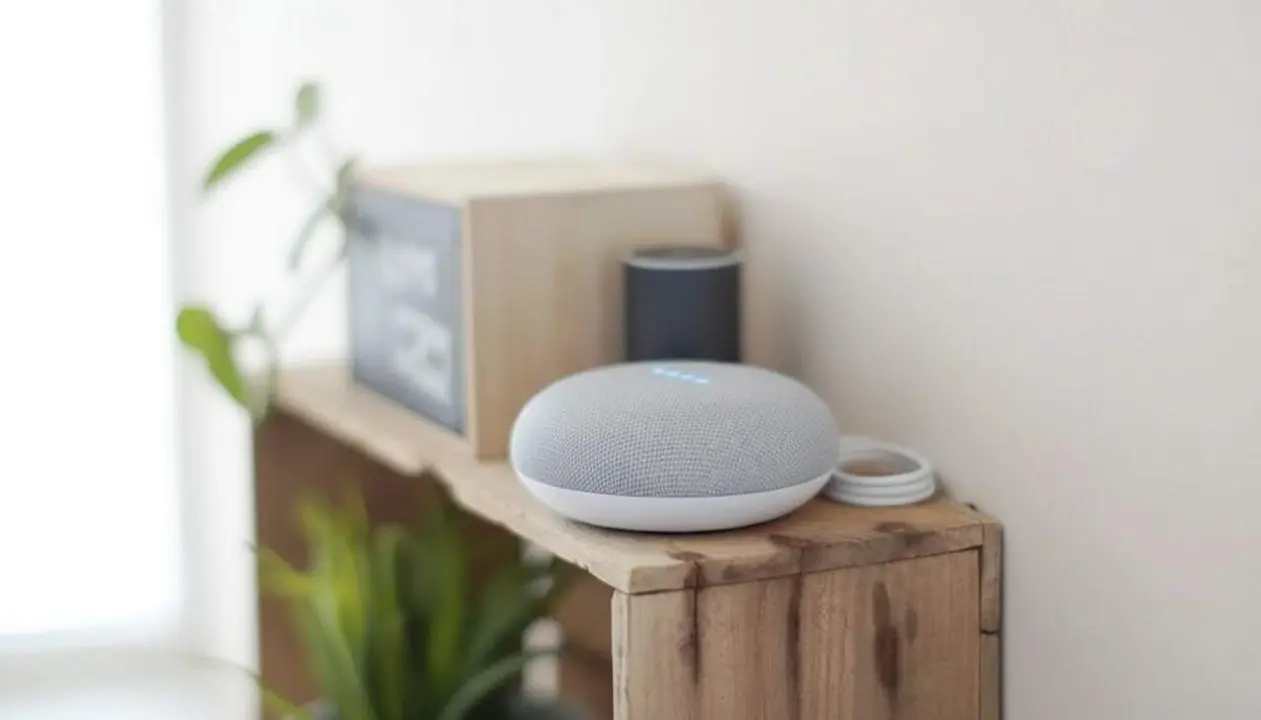

Google Assistant disappears on September 4 to make way for Gemini, its new generative artificial intelligence. This transition will mark a turning point in the interaction with Android and Wear OS devices, affecting millions of users worldwide.
For nearly a decade, Assistant has been the friendly voice for many, but now it’s time for a change. Gemini offers a more natural and powerful experience, although this has required a delay to ensure the transition is smooth and seamless.
Why does Assistant’s retirement matter to users?
The disappearance of Assistant is not just a technological change, but a transformation in how we communicate with our devices. Users will need to adapt to Gemini, which promises to be more flexible and intelligent.
Which devices are affected by Assistant’s retirement?
The change will mainly impact Android phones, Wear OS watches (such as the Pixel Watch), compatible headphones, and cars with Android Auto projected from the phone. Cars with factory-integrated Google will keep Assistant for now.
What will happen with other products like Google Home or Google TV?
For now, these devices will continue with Assistant, but Google has announced that Gemini will arrive later on TVs with Google TV and the Google Home family, improving interaction.
How do Assistant and Gemini differ?
Assistant was based on a system of predefined rules, ideal for simple and quick commands but limited in natural conversation. Gemini, on the other hand, uses a large language model that can understand complex contexts and maintain more natural conversations.
Why has Gemini taken so long to replace Assistant?
Gemini showed difficulties with basic connected home tasks, which many users use daily. This gap caused resistance and a delay to ensure a smooth experience.
What experience does Gemini promise users?
According to Google, Gemini will offer a more capable and useful assistant that can handle complex requests, provide more elaborate answers, and better adapt to users’ needs.
What impact does Gemini’s arrival have on the voice assistant market?
The transformation from Assistant to Gemini reflects a global shift driven by competition with ChatGPT and other conversational AIs that have raised user expectations.
How have other giants like Amazon and Apple reacted?
Amazon has introduced Alexa+, more powerful, and Apple is preparing a new Siri that will improve conversation and understanding, showing a race to improve intelligent assistants.
What exceptions exist for the migration to Gemini?
Older phones that don’t meet requirements and regions where Gemini is not available will be able to continue using Assistant for longer, avoiding leaving users stranded.
| Aspect | Google Assistant | Gemini |
|---|---|---|
| Launch date | 2016 | 2025 |
| Technology type | Predefined rules | Large language model |
| Conversation ability | Basic | Natural and complex |
| Affected devices | Phones, Wear OS, Android Auto | Phones, Google Home, Google TV (future) |
| Availability | Over 1 billion | Gradual launch 2025-2026 |
September 4 marks the official farewell to an assistant that revolutionized how we interact with technology. But the reality is that Gemini arrives to improve and transform this experience, with richer conversations and broader capabilities.
The data supports it: nearly a decade and a billion devices with Assistant is a legacy hard to surpass. Gemini is the answer to a new era where conversational AIs not only obey simple commands but understand and reason. We are facing a change that will mark the future of personal assistants.