Toyota drives 3 hydrogen engines for cleaner energy and a more sustainable future in 2026
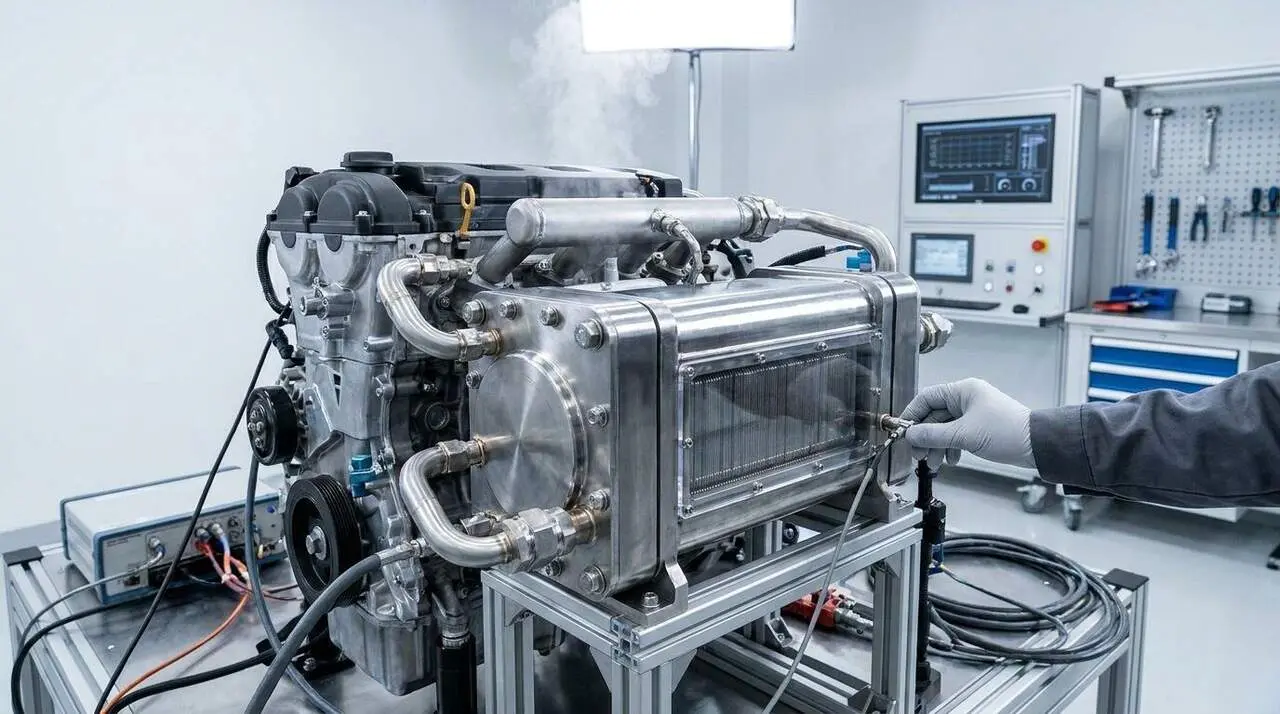

Toyota is preparing the new era of cleaner engines with an approach that goes beyond the electric car. The automotive industry is undergoing a transformation that not only involves batteries but also alternative fuels that promise greater range and sustainability.
It is time to rethink how we will move commercial and heavy vehicles in Europe. Toyota’s latest bet is a hydrogen engine that not only improves efficiency but aims to lead an energy revolution that electric vehicles cannot fully cover.
Toyota and the new bet on hydrogen in Europe
Why does Toyota bet on hydrogen and not just electric cars?
Electric cars clearly have their place, but they are not the universal solution. Toyota has identified that for commercial vehicles, trucks, and heavy cargo transport, electricity has practical limits that hydrogen can overcome. With improved range and doubled durability, the hydrogen engine meets real needs that batteries alone cannot solve.
How is Toyota preparing for this future?
Since 2023, Toyota has been promoting the Hydrogen Factory Europe, a center dedicated to the development and production of hydrogen technologies on a European scale. The third generation of fuel cells already offers 20% more efficiency and range, a figure that makes this alternative very attractive for different sectors.
Comparison of hydrogen with electricity in heavy vehicles
What advantages does hydrogen have over traditional batteries?
Although batteries last longer and charge faster, hydrogen provides greater range and faster refueling for vehicles that work long shifts. This is especially crucial in trucks and commercial vehicles, where time is money and energy efficiency is key.
Which European projects are driving this new technology?
Toyota collaborates with European manufacturers like Hyliko and VDL Groep to develop this new generation of hydrogen engines. This not only strengthens its industrial commitment but also brings local expertise that is essential to adapt the technology to the real needs of the European market.
Impact and future of hydrogen in sustainable mobility
How will this bet affect consumers and the sector?
The introduction of this technology opens the door to more sustainable mobility that does not rely exclusively on electricity. For consumers, it means more options, and for the sector, diversification that can accelerate decarbonization without losing performance or range.
When will we see this technology in everyday use?
With manufacturing already underway and European targets set for 2030, the presence of hydrogen engines in commercial vehicles and trucks will gradually increase. Toyota is already taking firm steps and, according to industry experts, this is one of the most viable alternatives to overcome the limitations of heavy electric vehicles.
The reality is that Toyota is not saying goodbye to the electric car, but is companioning it with hydrogen. This strategy makes the future of sustainable mobility more flexible and adapted to different needs, especially in sectors where practicality and profitability come first.
Frequently Asked Questions
- Why does Toyota bet on hydrogen more than just electric cars?
- Because hydrogen offers superior range and durability, especially useful in commercial and heavy vehicles that cannot afford long stops for charging.
- When is it expected that these hydrogen engines will arrive in the European market?
- The first models and applications are already in development, and a wider rollout is expected before 2030, according to European goals and Toyota’s plans.
- What advantages does hydrogen have over electric vehicles?
- Hydrogen allows faster refueling and greater range, facilitating intensive work in sectors such as transport and logistics.