Why the BYD Song Ultra EV Already Has 62,000 Reservations in China in One Month

Imagine a queue of more than 60,000 people waiting just to reserve a car. This isn’t the debut of a rock superstar, but the reality BYD is experiencing in China with its new Song Ultra EV. Curious, right? An electric SUV that, without much noise, is drawing a lot of attention in a market where competition is fierce.
But it’s not all about numbers. This model has secured a spot where others have failed, and it’s no coincidence. The Flash Charging technology it features, along with a price that seems like a mistake, are the keys to its initial success. Wait, this is just the beginning.
An SUV with big ambitions and a price that hurts the competition
Figures that don’t go unnoticed
The BYD Song Ultra EV is not just any SUV. With 4,850 mm in length and a 2,840 mm wheelbase, it borders on the D-segment, although it is classified as a C-SUV. A technological giant that relies on the e-Platform 3.0 Evo 800 V, which already signals a clear bet on cutting-edge innovation.
But what really surprises is the price: 151,900 yuan, less than 20,000 euros at exchange. A price that would make any European brand trying to compete in this segment shudder.
The key lies in ultra-fast charging
The crown jewel is its Flash Charging system, capable of going from 10% to 70% in just over five minutes and reaching 97% in less than nine minutes. In a world where patience at the charger is the enemy, this figure is a game changer. Only much more expensive models, like the Denza Z9 GT, offer this feature.
Ultra-fast charging is not just a whim: it’s a necessity for many users who see the Song Ultra EV as a real alternative for daily mobility.
Power and range to stand out
Versions and powertrains
BYD has chosen to leave nothing to chance. The Song Ultra EV offers two rear-wheel-drive versions, with powers of 322 hp and 362 hp, allowing it to reach up to 210 km/h top speed. Not bad for an SUV that aims to be indispensable.
The battery, using LFP technology, is available in two sizes: 75.6 kWh and 82.7 kWh. This guarantees unofficial figures of up to 710 km range in the Chinese cycle, although in Europe the reality would shrink to about 500 km, a record for a model at this price.
Interior design and technology
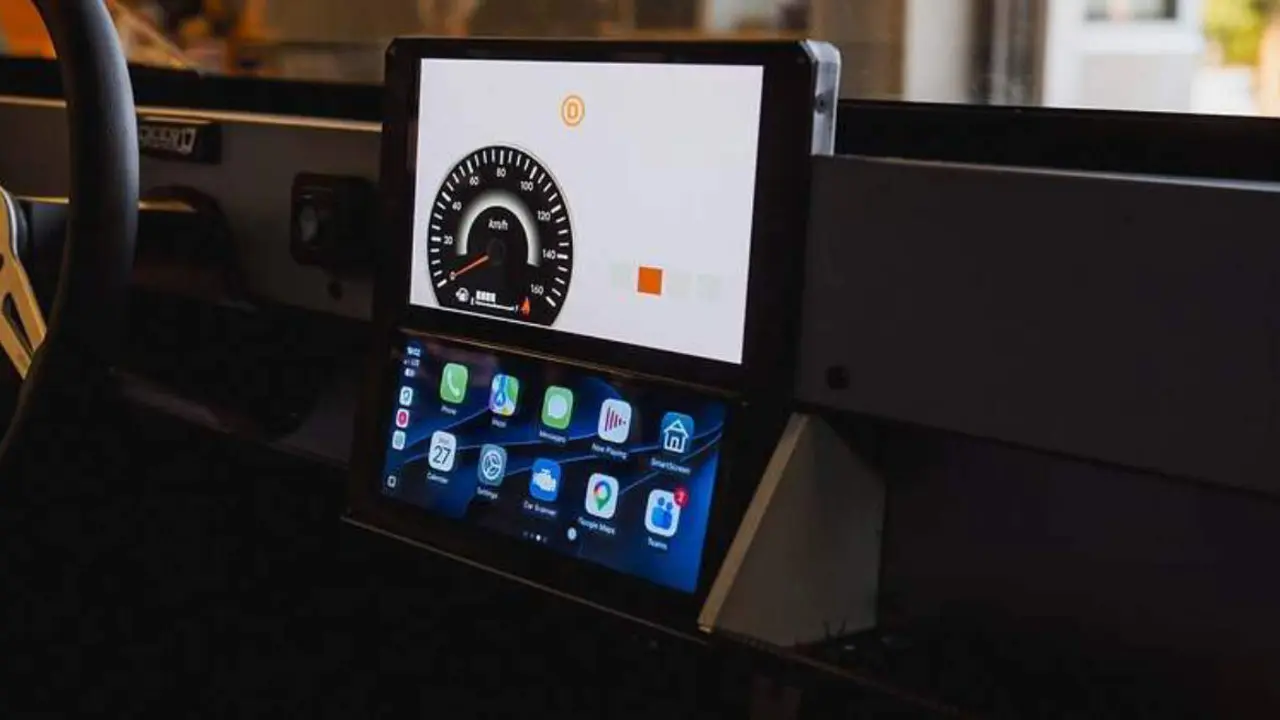
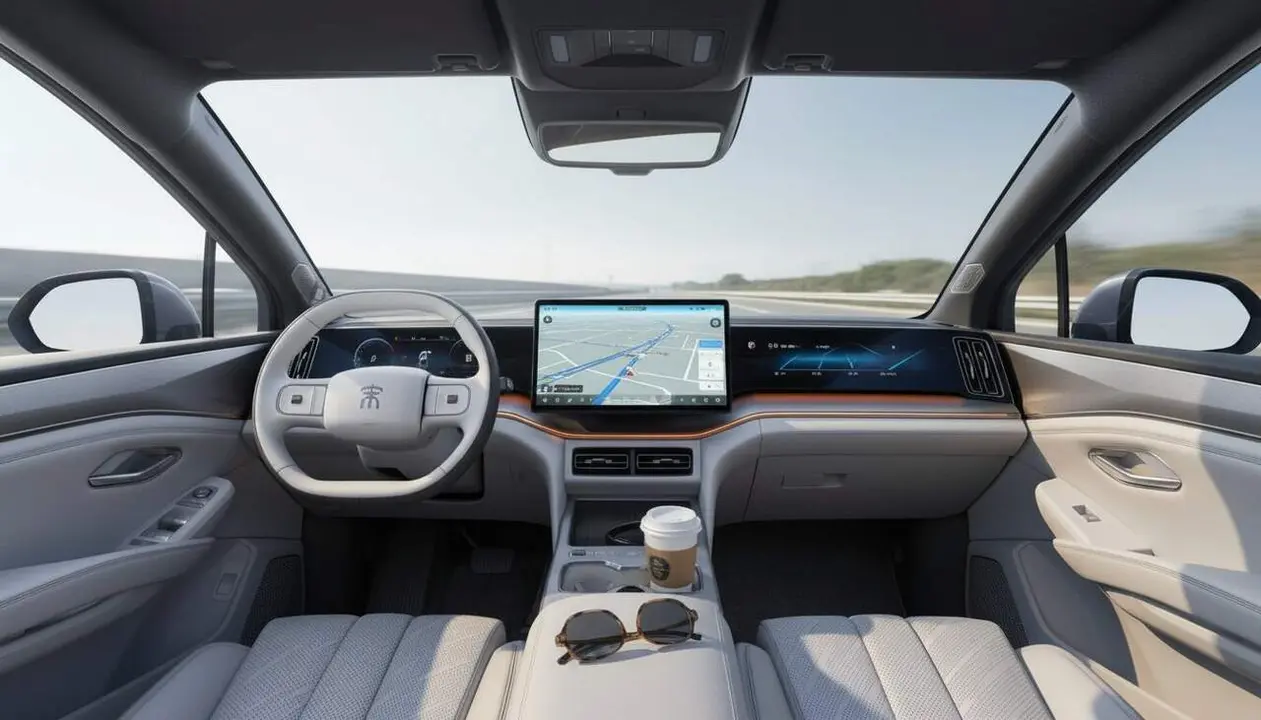
The Song Ultra EV maintains the visual language of the Song family, with a distinctive front where the BYD logo disappears in favor of traditional Chinese lettering. Inside, the highlight is the large 15.6-inch rotating central screen and a 10.25-inch digital instrument cluster, along with a column-mounted gear selector, an unconventional detail but increasingly common in electric vehicles.
Additionally, the advanced driving assistance system DiPilot 300 with LiDAR has earned the trust of many buyers, confirming that assisted driving is no longer a luxury but almost a standard in this range.
The future of BYD and its impact beyond China
A model that could reach Europe
BYD is preparing a plug-in hybrid version of the Song Ultra EV with its well-known DM-i system. This variant would be the most likely to succeed in Europe, especially to compete with models like the KIA Sportage. However, there is no official confirmation about its arrival yet.
In practice, this strategy indicates that BYD does not just want to conquer markets with low prices but aims to seriously position itself at the table of European SUVs.
The reservation record and its real meaning
With 62,240 reservations in just one month, the Song Ultra EV is not just another statistic. To put it into perspective, in European markets, this volume would equal a full year of sales for established models like the Volkswagen ID.4. This shows that BYD has hit a chord the competition has yet to interpret.
A combination of affordable price, ultra-fast charging, and advanced technology that makes the Chinese brand leave behind its insecurities and position itself as a contender to watch.
The reality is that the BYD Song Ultra EV has shattered expectations and set the bar very high for other manufacturers. If ultra-fast charging and affordable pricing are the future, it seems we already have it here.