Montezemolo critical of the first electric Ferrari: a blow to the horse

A former leader who marked a golden era at Ferrari does not speak just to speak. Luca Cordero di Montezemolo, president between 1991 and 2014, has dropped a fierce critique towards the new Ferrari Luce, Maranello’s first 100% electric model.
In fact, this is not just another comment: the man who led Ferrari to 19 Formula 1 world titles warns of a possible "destruction of a myth." And he does not hesitate to request that, if necessary, the famous Prancing Horse should not even appear on this car.
Montezemolo and his sharp critique of the Ferrari Luce
The voice of a Maranello legend
Luca Cordero di Montezemolo is not just any voice within the Ferrari world. He was the top figure during a key period that reinforced the brand’s sporty and artisanal image, leaving a mark that many fans still revere today.
That is why his statements about the Ferrari Luce carry special weight. More than criticizing performance or design, Montezemolo questions the legitimacy of this electric model carrying the emblem that symbolizes a history of combustion engines, emotion, and exclusivity.
The risk of losing identity
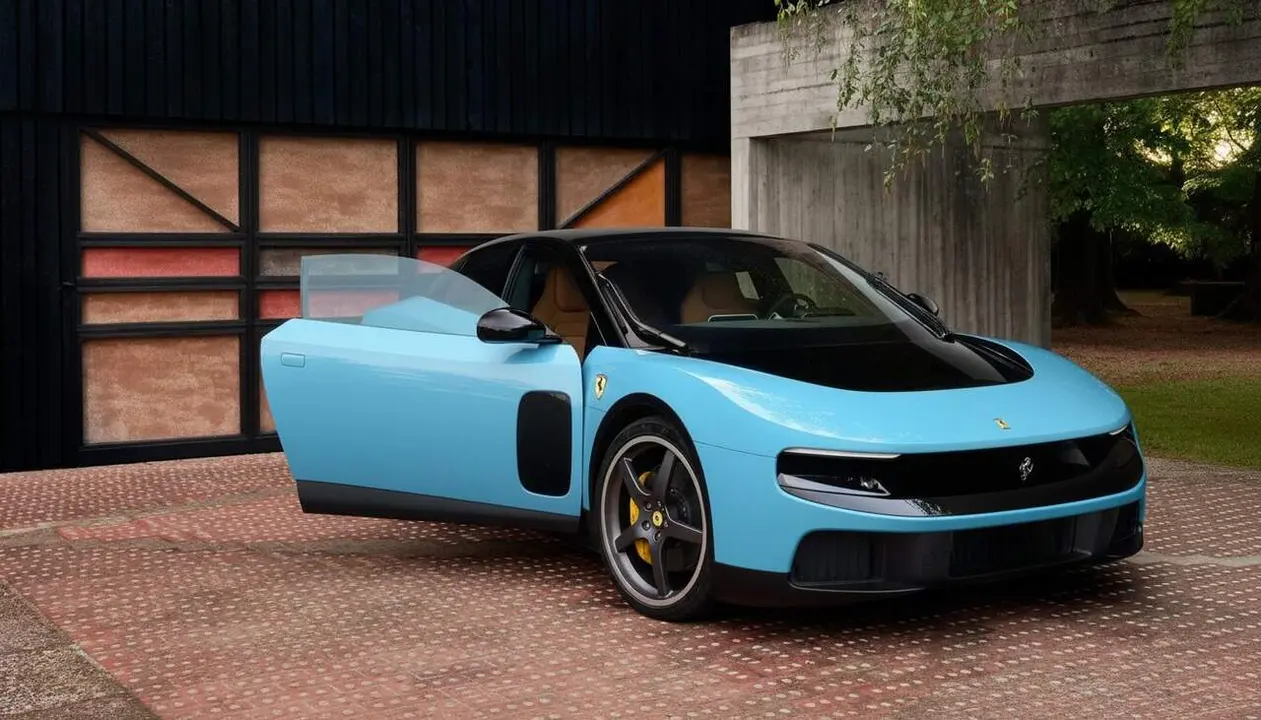
The phrase "I hope they at least remove the Prancing Horse from this machine" is not just a blow to design or technology, but a warning about the boundary between evolution and loss of soul. The Ferrari Luce represents a radical change: an electric car, four doors, five seats, geared towards family luxury, and with an image far removed from the traditional Ferrari.
Montezemolo sees in this change a danger to the myth that Ferrari has maintained for decades, where the engine, the sound, and the visceral experience are an inseparable part of its DNA.
The Ferrari Luce: a risky and revolutionary bet
Technical features and design
With more than 1,000 hp, four electric motors – one per wheel – and a range exceeding 500 km, the Luce is not just any electric car. It can reach over 310 km/h and incorporates a system that amplifies engine vibrations to maintain part of Ferrari’s traditional sound sensation, according to Reuters.
The design, created in collaboration with Jony Ive and LoveFrom, opts for a clean, large silhouette dominated by large glass surfaces, far from the aggressive and muscular language many associate with Maranello.
A break with tradition and the market
The Luce is a luxury car for a very exclusive audience, with a starting price around 550,000 euros and deliveries expected by late 2026. It is not a model to broaden the customer base but to maintain high margins and attract new generations more accustomed to electric vehicles, especially in markets like China.
Its proposal includes five seats and a 600-liter trunk, features that break with Ferrari’s classic image as a manufacturer of two-seater super sports cars with mid-engines.
Between tradition and the future: Ferrari’s dilemma
The debate within Maranello
The presentation of the Ferrari Luce makes it clear that the brand does not want to abandon combustion or hybrid engines yet. The first electric car is introduced as one more piece in a lineup that maintains strong ties to its mechanical tradition.
But the fact that it is a large, family car with a design so different explains the impact and resistance it generates, especially among those who see Ferrari as a symbol of pure emotion and sportiness.
The key question: can an electric Ferrari still be a Ferrari?
For Montezemolo, the problem is not only technical or commercial, but mythic. His critique questions whether a car without a combustion engine or mechanical sound can represent the Italian brand that has sold history, exclusivity, and passion for decades.
The Luce will be a trial by fire for Ferrari and its legion of fans. The reality is that the brand is at a turning point: adapt to the new era or risk losing part of its most genuine spirit.
Montezemolo has made it clear that he expects less from this model, even at the cost of removing the Prancing Horse from a machine that seems destined to divide opinions and ignite passions among lovers and detractors.