What can parking the car with the wheels turned end up causing?
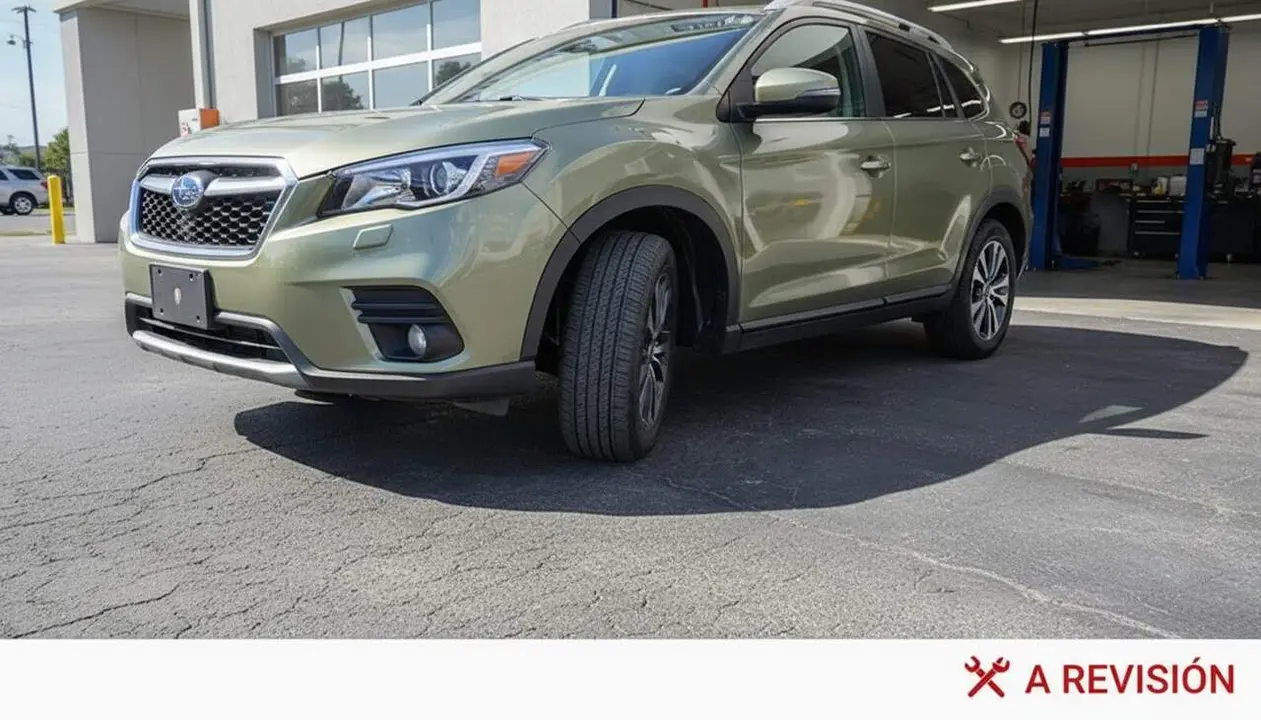

Leaving the car parked with the wheels turned may seem harmless, but it isn’t. This affects weight distribution and can end up causing costly breakdowns.
The mechanic Juan José Ebenezer, with years of experience in Seville, warns that turning the steering wheel to fit the vehicle is a habit that can lead directly to the workshop.
Why is it a problem to park with the wheels turned?
How does it affect the steering and suspension of the car?
When the steering wheel is turned, the inclination of the vehicle changes and the weight is concentrated on a very small area of the wheel. This causes uneven and premature wear of the suspension and ball joints, especially if the car is parked like this for days or weeks.
High-end models like Mercedes-Benz or BMW have a steering geometry that accentuates this effect when the wheel is at full lock. The system, designed to improve maneuverability while driving, becomes an enemy when the car is stationary.
What problems does the power steering pump cause?
Vehicles with hydraulic power steering suffer additional wear if the wheels are left turned. The pump maintains constant pressure forcing against a physical limit, which accelerates joint fatigue and can cause oil leaks.
If the leak is large, the pump works dry and the repair costs rise far beyond a simple routine check.
When is it advisable to park with the wheels turned?
What is the correct technique depending on the slope?
Although parking with the wheels turned is generally a mistake, on steep slopes it is the smartest safety measure. The Directorate General of Traffic (DGT) recommends turning the wheels toward the curb to prevent the car from rolling uncontrolled if the handbrake fails.
When facing downhill, the wheels turn toward the curb; when uphill, toward the center of the road. Thus, if the car moves slightly, it will hit the curb before gaining speed.
Which vehicles are legally required to do this?
The legal regulation requires this maneuver only for vehicles over 3,500 kg, buses, and vehicle combinations. Passenger cars have only the recommendation, not the obligation.
Therefore, the general workshop rule is to leave the wheels straight, with the clear exception of slopes where safety demands it.
How to prevent the habit of turning the wheel from bringing you to the workshop
What practical tips can you apply every day?
The best is to get used to leaving the car with the wheels straight whenever possible and avoid turning the steering wheel fully to fit into a parking spot. This saves wear and prevents costly breakdowns in the suspension and steering.
If you have to park on a slope, apply the correct technique and check that the handbrake is properly engaged. Remember that only in this way will you avoid bigger problems and unexpected visits to the workshop.
What does mechanic Juan José Ebenezer say?
According to Juan José, "that wheel that remains tilted is bearing weight on a very small area that isn’t prepared to hold so much pressure," and this can damage ball joints and shock absorbers if kept for too long.
He also warns that in vehicles with hydraulic power steering, leaving the wheel turned continuously strains the pump, a problem that usually goes unnoticed until it’s too late.
It’s a detail many drivers overlook but that can make the difference between a healthy car and an urgent visit to the workshop.
So, if you want your car to accompany you for many more miles, take care of how you leave it parked.
Finally, the issue is not just a mechanic’s advice but a small discipline that can prevent disappointments and unnecessary expenses.
If you don’t want your car to end up on the workshop bench because of an apparently trivial detail, remember this key recommendation.
Your steering wheel will thank you, and so will your wallet.
Because it’s not just parking, it’s truly taking care of your vehicle.