Bad news if you are part of this group: the DGT tightens surveillance despite experts' criticism
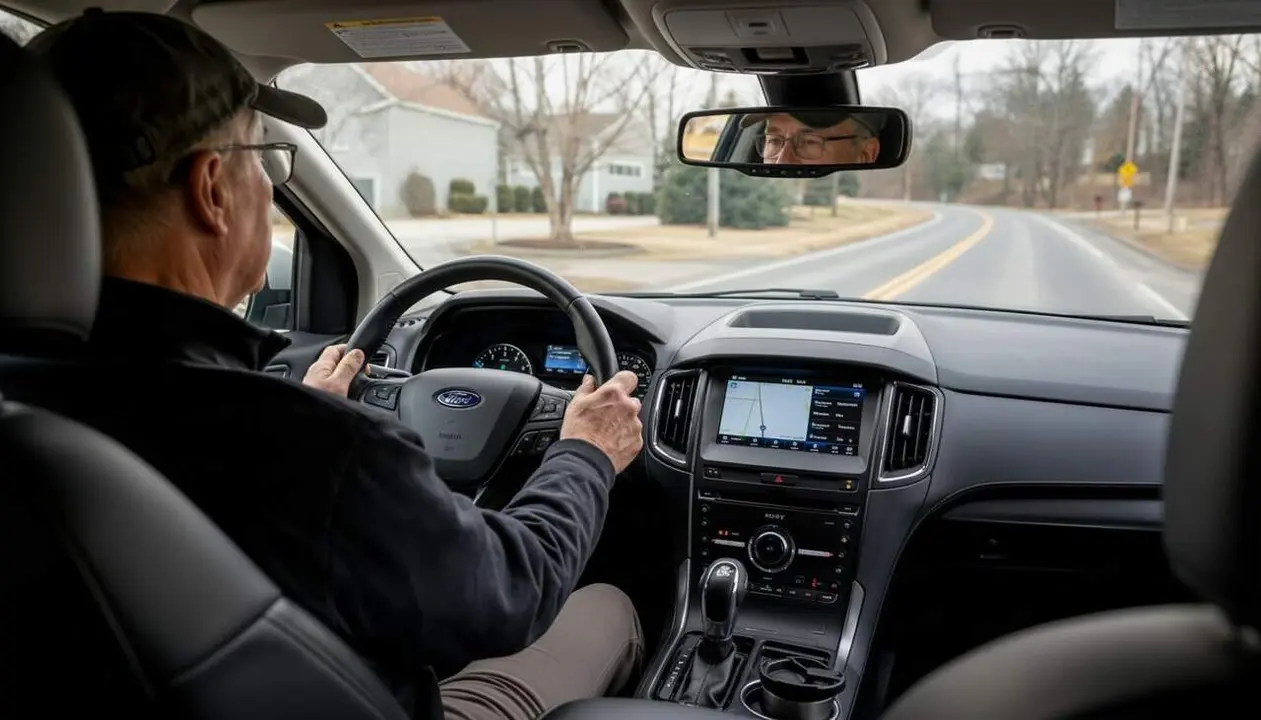

The DGT has increased surveillance over older drivers; many experts demand individual assessments focused on abilities, not age. This tension affects licenses, renewals, and the social perception of mobility among the elderly.
A daily story: a veteran driver avoids night routes and long trips because he feels safer, but now is required to undergo more frequent checks. This clash between personal experience and administrative measures opens practical and social debates.
Why This Controversy Matters to the Driver
This issue directly impacts freedom of movement and administrative costs for many drivers. If the measure is based on age, licenses that could be retained with proper assessment might be lost.
How Do Reviews Change from Age 65 Onwards?
This change may imply renewals every five years for the B license and every three years for professional licenses. In Spain, the validity of the B license is ten years until 65, then shortened to five years; professional licenses reduce the interval to three years.
What Does the DGT Say About Older Drivers?
The DGT emphasizes that the fundamental criterion is maintaining the physical and cognitive abilities necessary to drive safely. Pere Navarro has acknowledged that many older drivers drive more prudently and carefully.
How Veteran Drivers Adapt
You should know this: experience compensates for certain physiological losses because many adapt habits and reduce risks. This has a direct effect on individual and collective accident rates.
What Habits Do Older Drivers Change?
Studies indicate that veteran drivers tend to avoid high-risk situations and reduce alcohol consumption while driving. According to the AAA Foundation for Traffic Safety, they usually avoid difficult hours, routes with dense traffic, and adverse weather conditions.
How Does Experience Compensate for Loss of Abilities?
Compensation happens by choosing lower-risk moments, resting more frequently, and checking vision and hearing. Thus, experience and self-regulation reduce certain risks.
A usual change of pace.
What Policies Do Experts Propose and What Is the DGT’s Position?
This interests the reader because public policy will define whether regulations protect safety without penalizing capable drivers. Proposals vary between more frequent checks and individualized assessments.
Why Do They Ask for Individual Assessments?
Because age does not describe the actual psychophysical condition of each person. International experts advocate assessing physical and cognitive abilities individually to avoid indiscriminate measures that may limit mobility without gaining safety.
What Policy Does Spain Apply Now?
Spain applies more frequent renewals from age 65 and allows recognition centers to set even shorter periods if medical needs are detected. This combines an age criterion with adaptive medical control.
The border between prudence and discrimination.
Comparative Table of Renewal and Intervention Periods
| Type | Usual Interval | Observations |
|---|---|---|
| B License (up to 65) | 10 years | Standard renewal |
| B License (from 65) | 5 years | More frequent supervision |
| Professional licenses | 3 years | Reduced interval for occupational safety |
| Recognition centers | Variable | Can impose shorter periods if medical indications exist |
The table reflects the current system as presented in documents and public statements. It does not imply additional new data; it simply organizes information for the reader to compare options.
What Practical Risks Does a Policy Based Solely on Age Have?
Unnecessary restrictions and loss of personal autonomy. If the rule punishes by age, drivers with suitable abilities might be deprived of the license without proven safety benefit.
What Intermediate Measures Are Viable?
Experts propose combinations: maintaining more frequent renewals from a certain age but integrating targeted medical and cognitive tests. This would allow real risks to be detected and avoid indiscriminate exclusions.
Pragmatic, not utopian proposal.
Consequences for Drivers and Administrations
This section explains what it can mean in practical terms: time, travel for tests, and the burden on medical centers. It also impacts social trust towards the senior group.
What Costs Do More Frequent Reviews Involve?
Economic and logistical cost for drivers who will need to attend controls more frequently. It also implies greater demand on recognition centers.
How Can Society Respond?
Local proposals include refresher programs for older drivers and urban adaptations to reduce the need for private vehicles. This requires investment and political will.
The social discussion goes beyond traffic.
The reality is that the tension between administrative controls and individual assessments has no single solution: it is necessary to combine medical criteria, empirical data, and respect for personal mobility. Regulatory changes will affect thousands of drivers, especially those over 65. Therefore, controls, individual assessments, and the 65-year criterion are the key elements to be carefully balanced.
Frequently Asked Questions
- What happens if I am over 65 and pass the medical test?
- If you pass the tests, you will keep the license with the corresponding renewal period (usually five years for the B license). Centers may require additional checks depending on the case.
- Why do some experts reject measures based solely on age?
- Because age does not reflect the individual psychophysical condition. Specific assessments identify real risk better than the birth date.
- How do I know if I must undergo reviews before the deadline?
- Recognition centers may suggest shorter periods if medical conditions are detected. It is also advisable to periodically check vision, hearing, and medications.