A joint device identifies 574 people with 2,251 records in the Camp de Tarragona
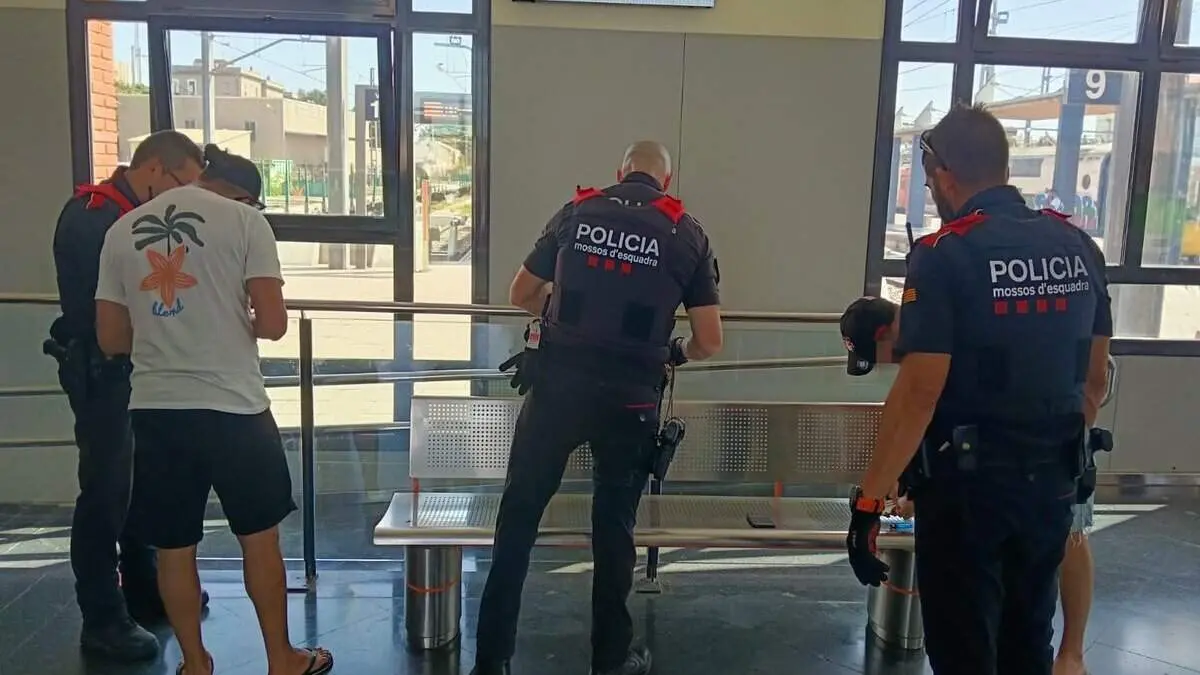

Els Mossos d'Esquadra and the Local Police of Camp de Tarragona have identified 574 people, with a total record of 2,251 previous offenses, in a joint operational device. This police action aims to increase security and control people with known criminal activity.
The device, known as #KANPAI, has also located 16 individuals with pending judicial warrants, demonstrating the specific impact that this type of action has in the area.
Why does this device matter in Camp de Tarragona?
How are the identifications distributed and what do they imply?
Identifying 574 people with 2,251 previous offenses is a figure that reflects intense police control. This volume indicates that the area still concentrates a significant portion of people with active or pending criminal records.
Moreover, adding up 2,251 offenses means that many of these people have multiple records, which may indicate recidivism or a complex history that concerns local authorities.
Locating 16 individuals with pending judicial warrants is not a casual number. These people could be avoiding judicial action, and their detection is crucial to prevent them from continuing to commit crimes or remaining uncontrolled.
Therefore, the device not only acts as a preventive measure but also as a tool for the effective application of justice.
What role do the Mossos and the Local Police play?
Els Mossos d'Esquadra, together with the Local Police of different municipalities in Camp de Tarragona, work in a coordinated way to cover a large and diverse territory, with different hotspots of criminal activity.
This collaboration allows sharing information, resources, and establishing common strategies to improve the effectiveness of police interventions.
The #KANPAI device exemplifies this coordinated strategy, which is not limited to one day but forms part of longer-term security plans to control sensitive areas.
What are the local implications for residents?
How does this action affect daily life?
The reinforcement of police presence in public spaces can have a direct impact on residents' sense of security. Seeing regular controls and patrols can deter criminal activities and contribute to a calmer environment.
This does not mean that all conflicts disappear, but the active presence of security forces makes it harder for individuals with records to act with impunity.
What kind of follow-up can be expected afterward?
Devices like #KANPAI are usually part of a set of periodic interventions that maintain pressure on individuals with records and pending warrants.
It is likely that the coordination between Mossos and Local Police will continue with actions of this kind, intending to consolidate public order and ensure that people with judicial requirements cannot evade justice.
For residents, this means more constant surveillance and a more present police force, with the aim of protecting coexistence and reducing usual crime.
Source of the article: Mossos d'Esquadra