The nirsevimab vaccine reduces hospitalizations for RSV by 80% in Tarragona
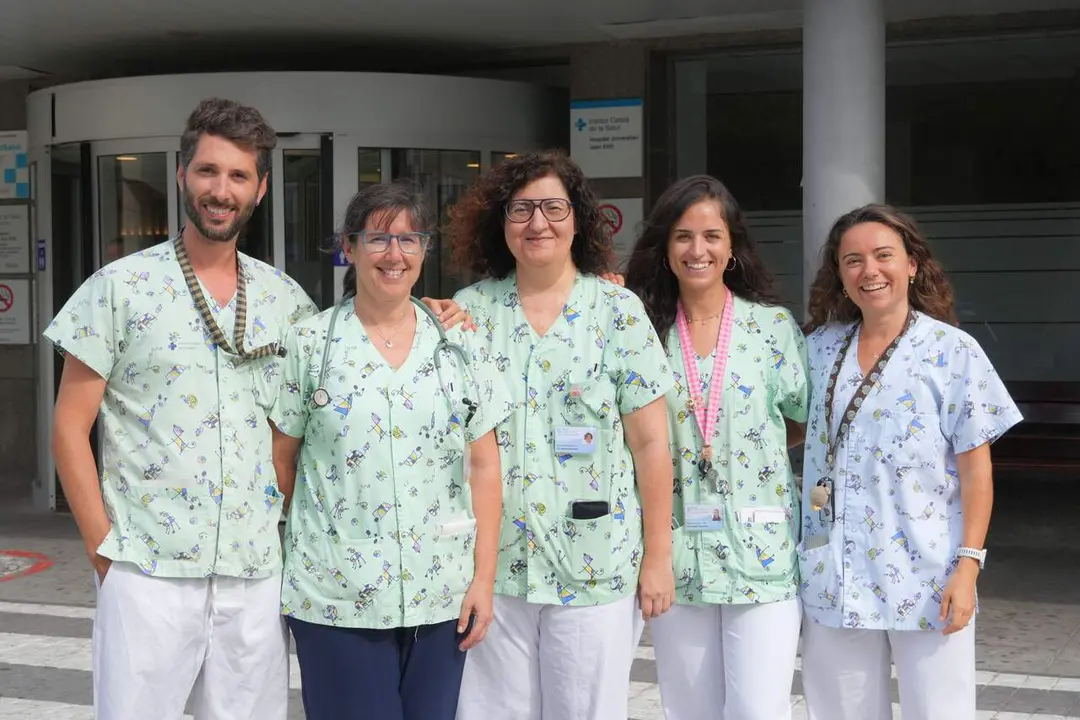

The nirsevimab vaccine has managed to reduce hospital admissions for respiratory syncytial virus (RSV) by 80% in infants under six months in Tarragona. These data come from a joint study by Joan XXIII Hospital and Rovira i Virgili University (URV) that analyzes data from 2018 to 2025.
Respiratory syncytial virus is one of the most common causes of pediatric hospital admissions, and this vaccine represents a radical change in prevention. But what is behind this research and what does it imply for families in the province?
Key results of the study on the nirsevimab vaccine
What impact does the vaccine have on hospital admissions?
The most relevant point is that the rate of RSV admissions in infants under six months has dropped from 5.04 to 2.51 per 1,000 babies after introducing the nirsevimab vaccine. This represents a reduction of almost 80% in hospital admissions attributed to this virus.
How does the vaccine affect admissions to the pediatric ICU?
Furthermore, the study reveals that pediatric ICU admissions have decreased by 55% thanks to vaccination. This figure highlights the importance of prevention beyond mild cases.
Context of the research and applied methodology
How many hospitalizations have been analyzed to reach these conclusions?
The researchers have examined 1,384 cases of hospital admissions for respiratory infections in infants during six epidemic seasons, from 2018 to 2025. This sample enhances the reliability of the conclusions.
What importance does the monoclonal antibody nirsevimab have?
The study highlights nirsevimab as a key tool for RSV prevention, since it acts as a specific monoclonal antibody, protecting infants in their most vulnerable stage before the immune system is fully developed.
Local repercussions and future perspectives
How does this affect the residents of Tarragona and families with infants?
For parents in the province, this vaccine means fewer doctor visits, fewer admissions, and above all, less worry over a disease that can become quite complicated. The health system also benefits from reduced pressure on pediatric units.
What steps will follow after this study?
The results open the door to expanding vaccination with nirsevimab and integrating it as a routine measure in pediatric prevention. They also give rise to new research to optimize the fight against RSV throughout the region.
The reality is that the nirsevimab vaccine not only reduces the risk of RSV admissions in infants but also transforms the way child health is protected in Tarragona. The figure of 80% is not just a number, it is tangible hope for many families and health professionals.
Source of the article: Editorial / Catalan News Agency