The sustainability ideas fair in Cambrils brings together more than 350 students
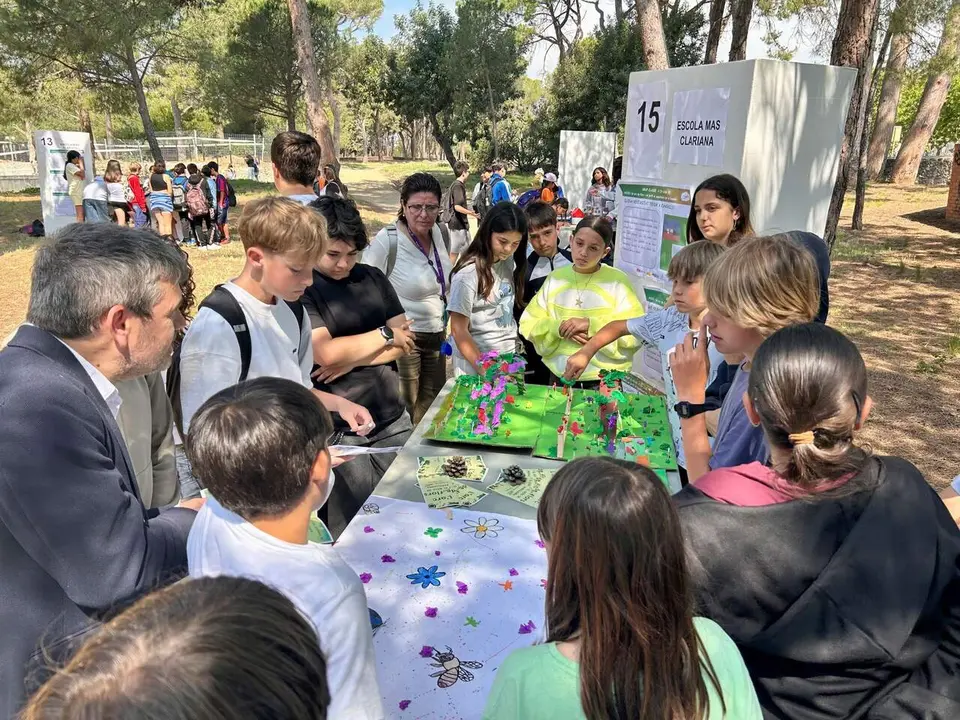

More than 350 students from primary and secondary schools have turned the Parc del Pinaret in Cambrils into a laboratory of ideas to tackle climate change. The Ideas Fair for Sustainability has been the culmination of an educational project with a clear goal: to put young people at the center of environmental action.
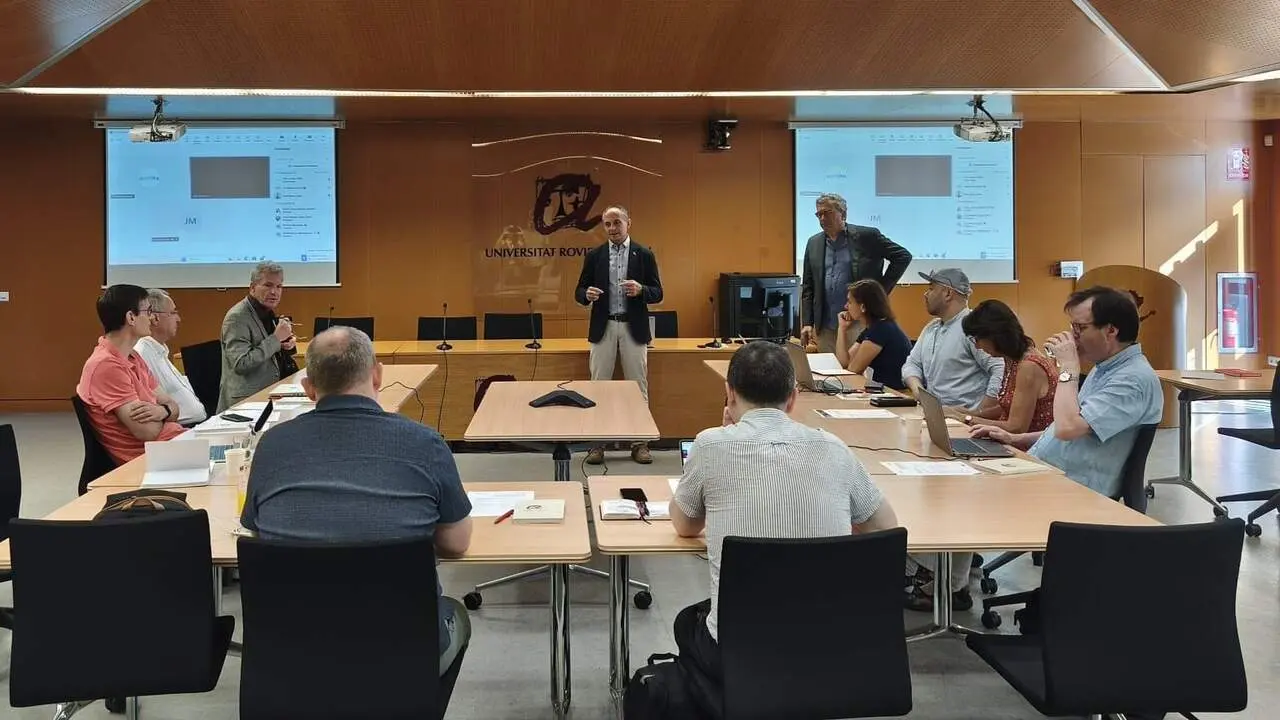
The EDU4CLIM project, promoted by the EDIT group of the Rovira i Virgili University, has mobilized 22 class groups and 612 students between December and April in school assemblies that encourage debate and decision-making on topics such as biodiversity, water management, and waste.
The EDU4CLIM project and youth participation
How the school assemblies work
For months, students have worked in participatory assemblies led by the Department of Education of the Cambrils City Council. These sessions have served to debate, contrast opinions and reach consensus on sustainable actions. The students trained with experts and specific materials before starting the debates to ensure a well-documented and critical process.
Core themes and collaborations
The assemblies have focused on key areas such as biodiversity, sustainable mobility, and waste management. In addition, the involvement of municipal technicians has allowed for contrasting the viability of proposals with the local administration, bringing young people closer to the political and technical reality of their surroundings.
The ideas fair: a space to give young people a voice
Presentation and public exhibition
The day began with a welcome from the mayor of Cambrils, Oliver Klein, followed by an exhibition where the different groups explained their initiatives. This space brought together students, families, institutions, and entities, creating an atmosphere of real dialogue and exchange.
Institutional feedback and commitment
The closing was marked by the delivery of a collection of proposals to the councilor of Education, Natalia Pleguezuelos, and the representative of the Department of Territory, Xavi Villacampa. This action closes the circle between education, research, and public management, showing a willingness to translate young people’s ideas into political action.
Impacts and future of education for sustainability
Skills developed
According to researcher Gisela Cebrián, the project not only raises awareness but also enhances skills such as critical thinking, dialogue, and collective action. The assemblies become a starting point to generate changes in environmental habits both at school and at home.
Support and funding
EDU4CLIM is funded by the Ministry of Science and the European Union’s NextGenerationEU, and with the collaboration of the Cambrils City Council, Cel Rogent Environmental Education, and the Territorial Services in Tarragona. This alliance strengthens the viability and continuity of the initiative.
The reality is that putting young people at the center of the environmental debate makes more noise than any institutional speech.
Source of the article: Rovira i Virgili University