4,160 monumental olive trees in Catalonia: Territory begins consultation to protect this unique heritage
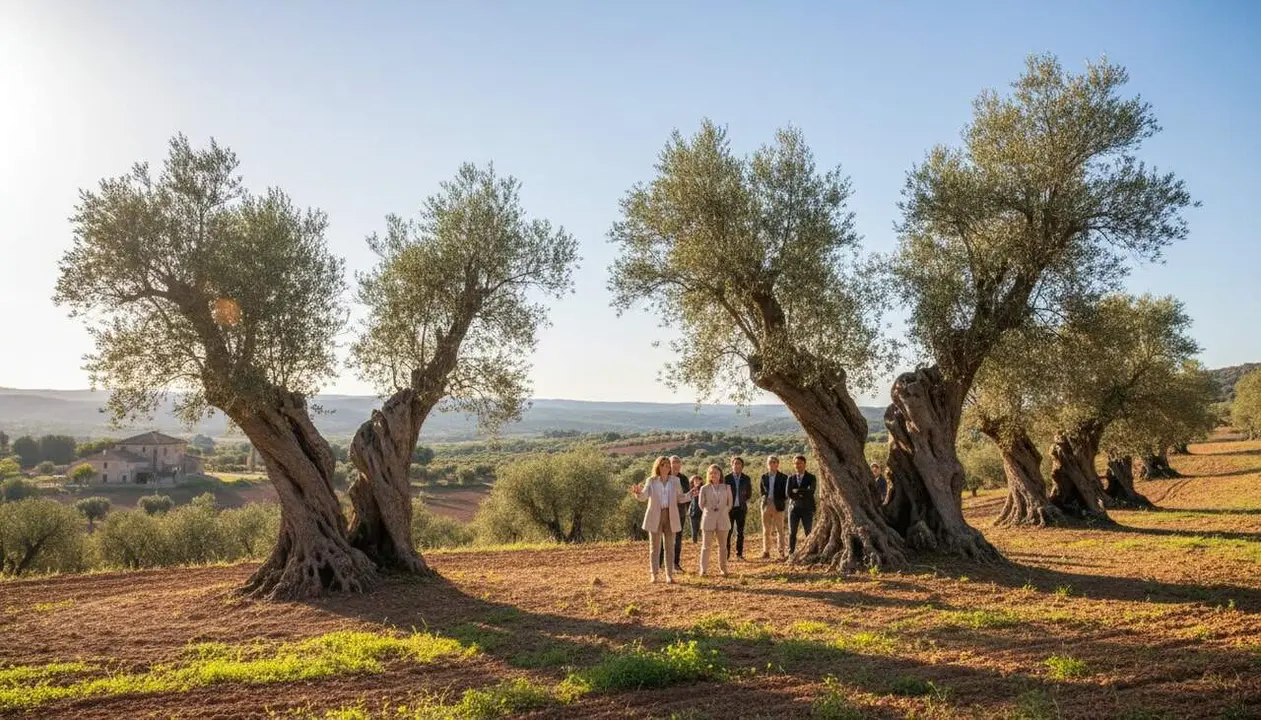

The Department of Territory has identified 4,160 monumental olive trees in Catalonia, most of them located in the Terres de l'Ebre region. This figure reveals the importance of this natural and agricultural heritage, which now faces a process to guarantee its legal protection and conservation.
The initiative, which starts with a public consultation, aims to involve the people most directly linked to these trees and their environments. Therefore, it is an opportunity for owners, municipalities, and agricultural entities to participate in defining the rules that will shape the future of this unique wealth.
The draft decree and the public consultation
What does the decree for the conservation of monumental olive trees aim for?
The decree seeks to establish a clear regulatory framework to protect monumental olive trees and groves. This includes creating an official catalog, defining a technical committee to make conservation proposals, and promoting intervention and maintenance programs.
How can you participate in the public consultation?
The consultation is open from September 3 to October 2 through the Generalitat’s Participa portal. It is especially aimed at involved agents, owners, municipalities, and agricultural cooperatives, who can provide opinions on the composition and operation of the technical committee and other key aspects.
The census and distribution of monumental olive trees
How many specimens are there and where are they concentrated?
The official census counts 4,160 monumental olive trees and 31 monumental olive groves in Catalonia. Most of them are located in the Terres de l'Ebre, especially in Montsià, where there are 3,509 olive trees and all the groves.
What criteria define a monumental olive tree or grove?
An olive tree is considered monumental if it has a trunk perimeter equal to or greater than 350 centimeters, measured at 130 centimeters above the ground, or if it is older than 350 years. Monumental olive groves are agricultural enclosures with a minimum density of 20 monumental olive trees per hectare.
Impact and future of the regulation
Why does this regulation matter to neighbors and owners?
The decree will guarantee that these olive trees remain where they have grown, protecting them from possible threats and ensuring they continue their agricultural function. This preserves not only natural heritage but also local identity and the related economic activity.
When is the decree expected to come into force?
After the public consultation ends on October 2, the Government will analyze the contributions received to prepare the final draft of the decree, which is expected to be approved in the coming months, establishing a firm framework for the conservation of this heritage.
In short, the protection of monumental olive trees is not just an environmental issue but a guarantee to keep alive an essential part of the culture and economy of the Terres de l'Ebre and Catalonia. Participating in this consultation is key to defining the future of this natural legacy.
Source of the article: Editorial / Catalan News Agency