The Móra d’Ebre River Festival celebrates its 123rd Edition and becomes a Festival of National Interest
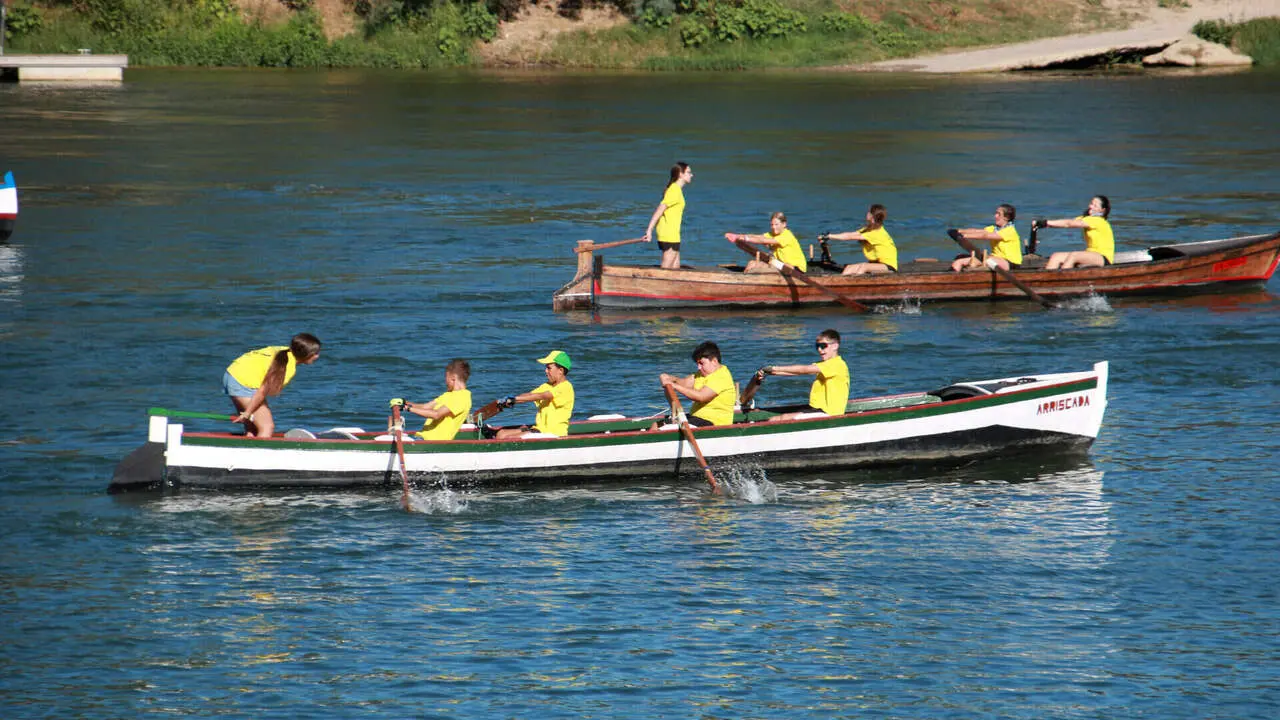

The Festa del Riu de Móra d’Ebre is the oldest in Catalonia and has just been declared a Festival of National Interest. With 123 editions behind it, the celebration claims the historical and cultural importance of the Ebre River as an economic and social engine of the region.
This event not only recalls the past but keeps alive a tradition that unites generations and reaffirms local identity across Catalonia.
Recognized heritage and living tradition in Móra d’Ebre
What does it mean to be a Festival of National Interest for the locals?
This recognition is not just a title: it asserts the popular culture and river heritage of Móra d’Ebre. The festival is a symbol of social cohesion and pride for the generations who have preserved these traditions.
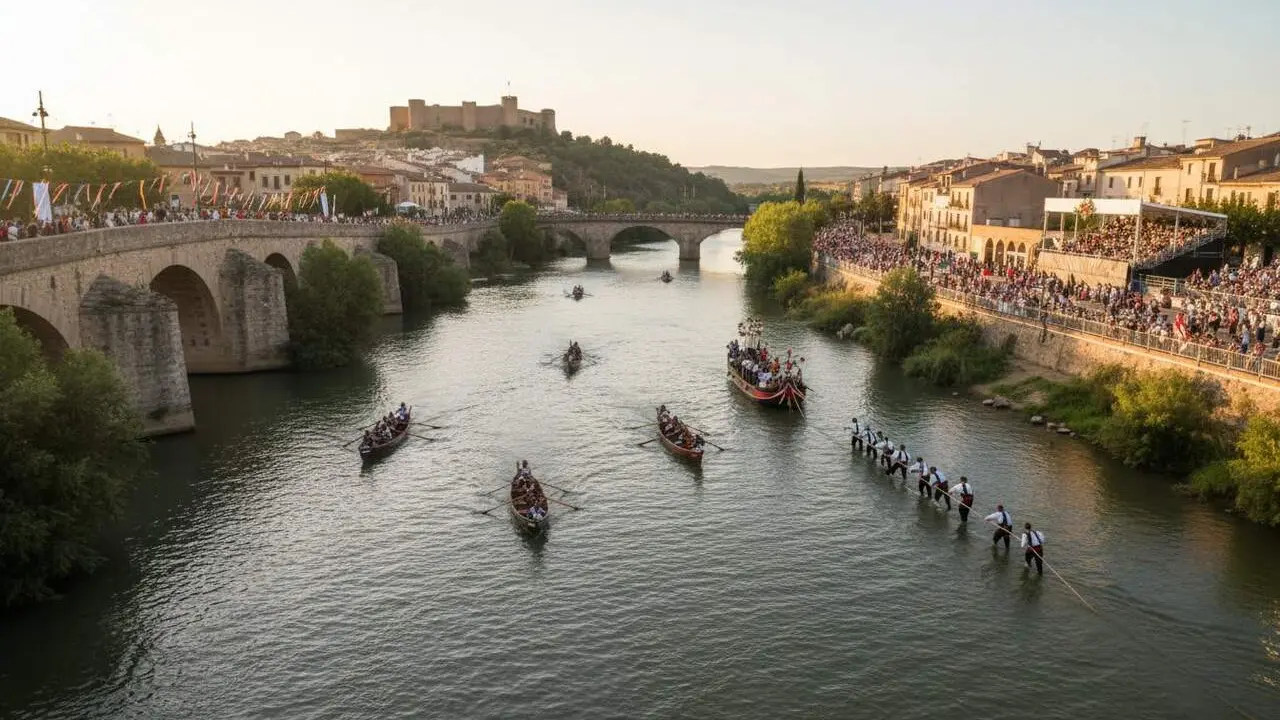
Mayor Rubén Biarnés has emphasized that the river has been key for centuries for communication, commerce, and the lives of the inhabitants. Seeing the muletes and the sirgadors on the water is to remember a past that still beats in the region.
How is this cultural heritage kept alive?
The main activities, such as the muletes races and the Sirgadors exhibition, are much more than shows: they are a way to keep history alive. With a festival started in 1899 and interrupted only twice, the tradition has adapted without losing its essence.
Parliament president Josep Rull has highlighted that the festival represents a collective Catalan heritage, and that the nation is committed to protecting the Ebre River.
José Antonio Serres Mota, Honorary Daliner and local protagonist
Who is José Antonio Serres Mota and why is he important?
José Antonio Serres Mota, a resident of Móra d’Ebre, has been named Honorary Daliner for his trajectory linked to the festival. Thirty years ago he built his own muleta, a traditional boat 8 meters long by 1.5, with four oars and a sail.
Receiving this recognition is, for him, a joy that values local passion and the preservation of nautical traditions.
What activities are part of the celebration?
After the appointment, the festival continued with a parade featuring Pubilles, Hereus, and Giant Sirgadors heading to the pier. The muletes races, the river crossing, and the plastic duck throw are moments that mobilize locals and visitors.
The Sirgadors exhibition and the sounding of the llaguter horn complete a program that connects the past with the present.
Cultural and social impact beyond the Festival
How does this Festival affect the inhabitants of Móra d’Ebre?
The Festa del Riu is a meeting point that strengthens local identity and generates a sense of belonging. It is a cultural and also economic engine that attracts visitors and keeps alive the legacy of the llaguters and sirgadors.
The locals see in the festival an opportunity to transmit values and stories to new generations.
What can we expect from the Festival in the coming days?
The events, which began on August 22, will culminate with a fireworks display and a concert by Alfred Garcia this Sunday. This gives continuity to a celebration that does not end in a single day but permeates the life of the municipality for weeks.
The festival is consolidated as a historical and ethnological reference that will continue evolving without losing its unique character.
| Aspect | Detail |
|---|---|
| Editions held | 123 |
| Starting year | 1899 |
| Recognition | Festival of National Interest (July 21, 2026) |
| Main Activities | Muletes races, Sirgadors exhibition, parade, river crossing, concert |
| Festival duration | August 22 to August 30 |
The festival puts on the table the ability to maintain a living tradition that serves to build a community that respects its river and its history. Because it is not just a festival: it is a declaration of identity.
Source of the article: Mar Rovira / Catalan News Agency