Can Don Joan de Vinebre: the museification that recovers the memory of the rural nobility and the local bourgeoisie
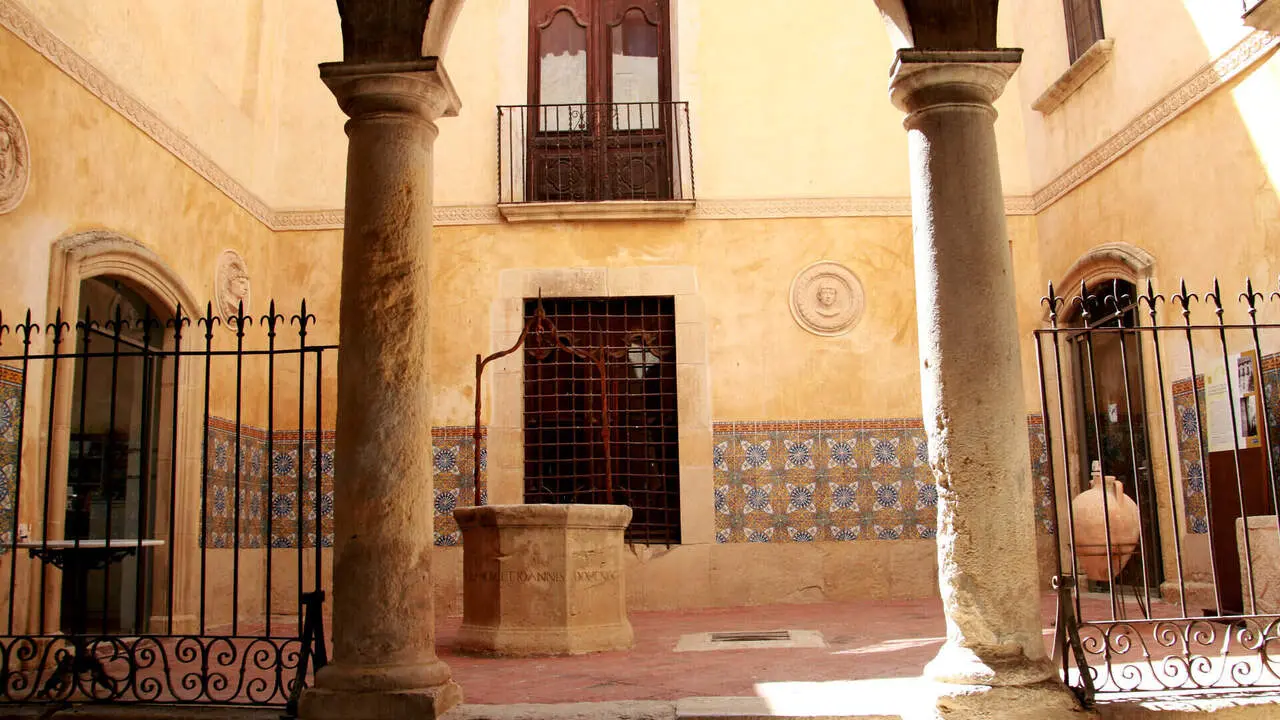

Can Don Joan de Vinebre recovers its historical and heritage value with the museification that transports visitors to the 16th century. This Renaissance palace, emblematic of the Ribera d'Ebre, tells the story of the rural nobility's life and transformation towards the new economy, through unique exhibition and technological resources.
After fifteen years in process, the first phase of museification now allows people to learn about the Domènech-Martí family’s history and its social and economic impact on Vinebre and the region. This initiative, driven by COPATE and the City Council, represents a key cultural and tourist boost for the area.
The museification project: what changes for visitors?
How has the museification of Can Don Joan been developed?
The main museification project was completed after fifteen years of recovery. The first phase includes the restoration and adaptation of the porch, central courtyard, lobby, dining room, and adjacent chapel. The work, carried out by Òptim Studio SL during the last year and a half, had a cost of 80,000 euros financed with Next Generation funds.
What does this museification offer visitors?
An immersive experience is offered with exhibition, audiovisual, and technological resources that explain the family and social history. It includes two videos featuring characters from different eras and an audiovisual with paintings by Josep Maria Martí Garcés, a painter linked to the lineage. Original furniture and objects are also preserved that transport visitors to the daily life of the 16th century.
The local and heritage importance of Can Don Joan
Why is this small palace unique in the Terres de l'Ebre?
Can Don Joan stands out for its Renaissance architecture, with about 600 m² distributed over four floors, and for its original decorative and mural elements. It preserves historical furniture and a documentary heritage that depicts domestic life and agricultural activity, especially linked to wine production, a key sector in the region.
How is Vinebre’s social history reflected in this space?
The small palace narrates the transition from the agrarian rural nobility (Domènech family) to the bourgeoisie more connected to arts and business (Martí family). This evolution is reflected in the connection with Barcelona and commerce, including investments in the train. Furthermore, many Vinebre residents worked for this family, which positions Can Don Joan as a local economic and social engine.
What challenges and opportunities does the museification entail?
What impact does this initiative have on Vinebre and the Ribera d'Ebre?
The museification strengthens the historical and cultural heritage, and boosts domestic tourism, bringing economic and emotional value to the territory. Mayor Sandra Rico highlights local pride in being able to show this house. Francesc Barbero, president of the County Council, emphasizes that the project generates self-esteem and opportunities for the region.
Will there be more phases of museification at Can Don Joan?
The current museification is partial and focused on the rooms of Don Joan and Lady Conxa. A future expansion linked to the Sant Miquel archaeological site is planned, which will complement the cultural offer and enrich the understanding of local heritage.
Can Don Joan is not just a restored building; it is a living witness to a history that unites agriculture, art, commerce, and society. This museification is more than a visit: it is a window to the past that explains how Vinebre’s and its people’s identity was shaped.
Therefore, this project enhances the tangible and intangible heritage of the Ribera d'Ebre, showing that historical recovery can have a great social and cultural impact. In a territory where heritage is often forgotten, Can Don Joan becomes an example of perseverance and hope for future generations.
Source of the article: Mar Rovira / Catalan News Agency