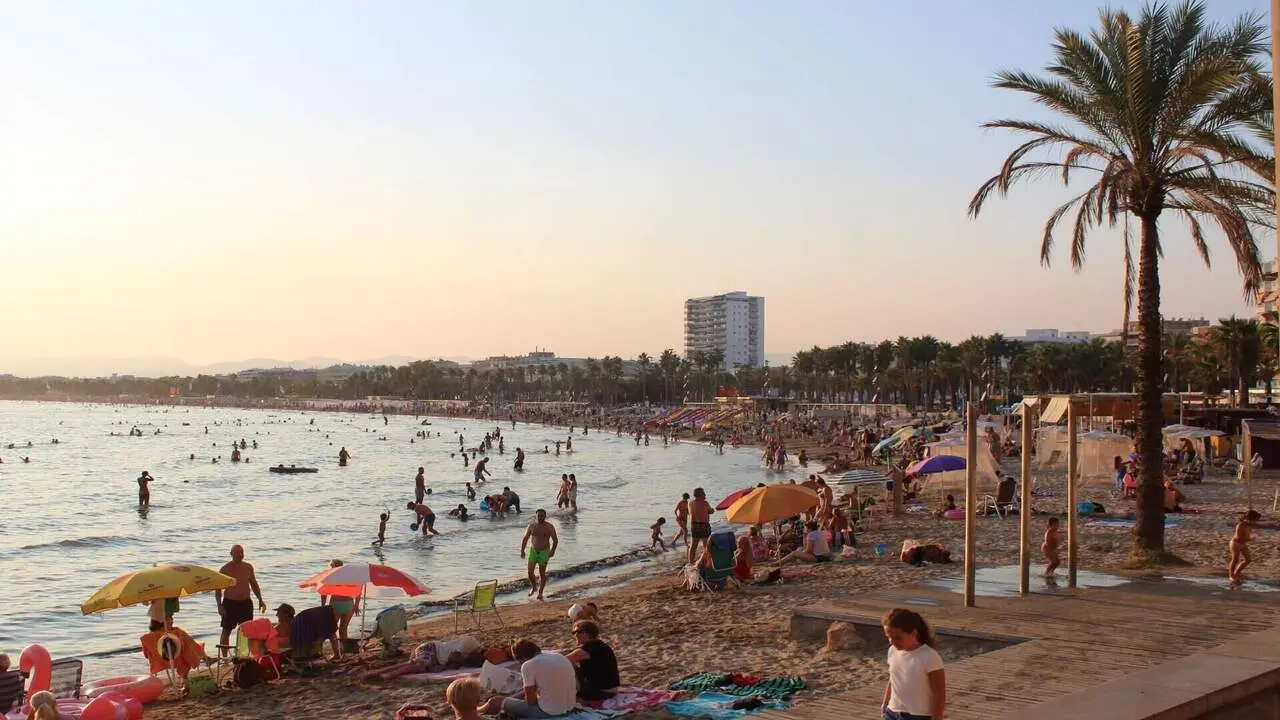
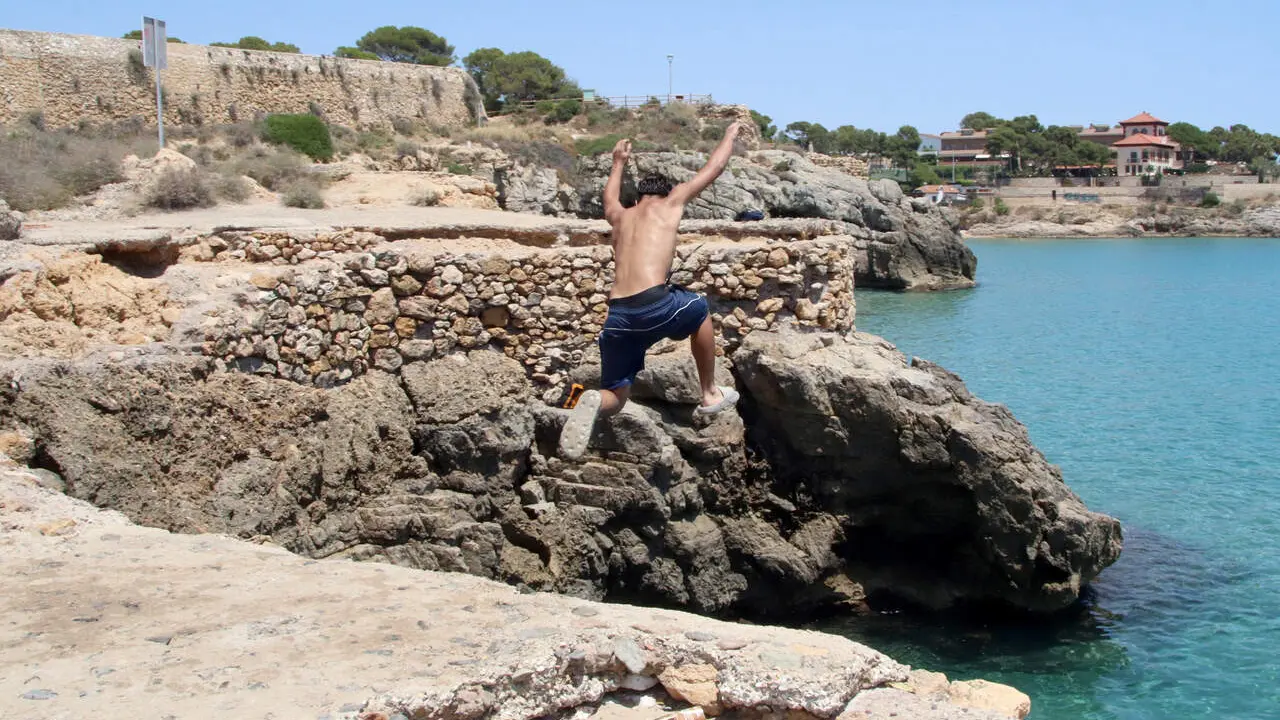
The sea temperature in Barcelona reaches 24°C: historic record in June 2026
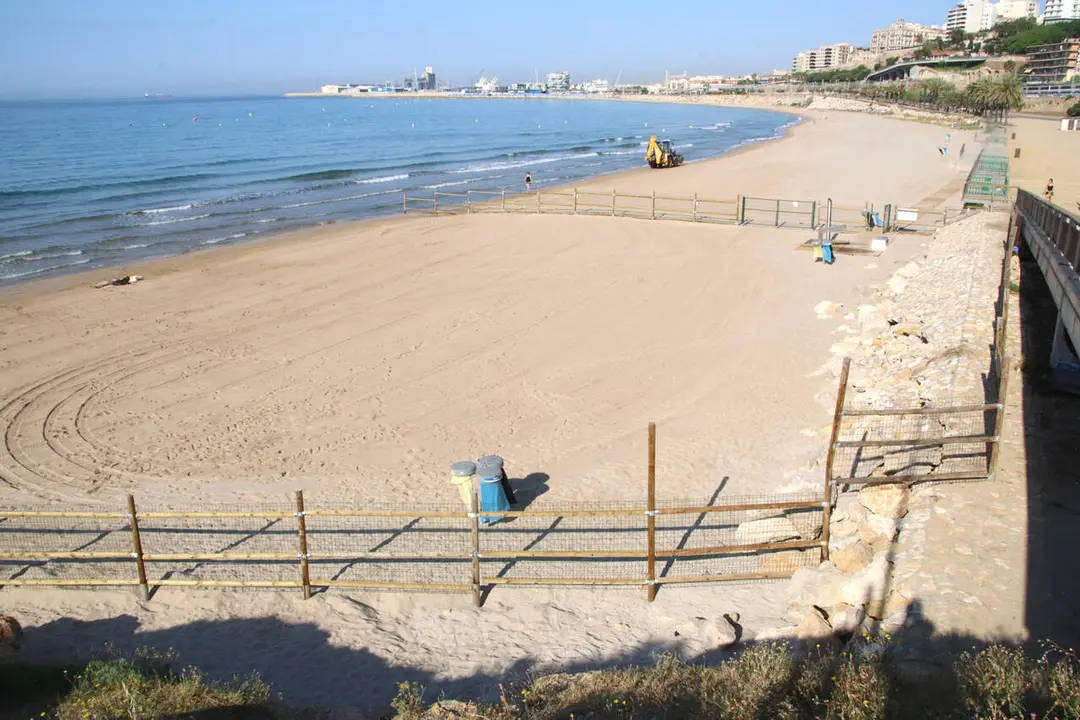

The sea temperature in Barcelona has reached an unprecedented record for the month of June, surpassing data from recent years. This thermal rise not only affects Barcelona but also other key points such as Tarragona and the Ebre Delta, which are experiencing one of the warmest Junes since records began.
If you have wondered how this affects the Catalan coast or what it means for the local ecosystem, here you will find a clear and precise analysis. The average sea temperature is not just a number; it has repercussions worth understanding.
The historic record of average temperature in Barcelona
What exactly has happened with the sea temperature?
The buoy of Ports de l’Estat, located a few meters offshore in Barcelona, registered an average of 23.74°C in June 2026. This figure clearly surpasses the previous record of 23.03°C from 2025. Furthermore, last Sunday reached 28.2°C, an unprecedented value for this month so far.
Why is this increase relevant for the locals?
A warmer sea directly impacts quality of life and local economic activity, especially in sectors like tourism and fishing, which are very present on the Catalan coast. Additionally, it can alter marine ecosystems, causing changes in the fauna and flora we know.
The situation in Tarragona, the Ebre Delta, and Begur
How does the sea temperature compare in these areas?
Tarragona, the Ebre Delta, and Begur have recorded one of the three warmest Junes in terms of water temperature since monitoring began in 2004. Although they have not broken records, the high temperature remains consistent and concerning.
What local consequences can be expected?
These territories could be affected in marine biodiversity and fishing activity, which is key to their economy. The temperature increase may foster the appearance of unusual species or cause the disappearance of others.
Context and long-term impact
How does this phenomenon fit into the global trend?
The gradual rise of sea temperature in Catalonia aligns with the global ocean warming trend. These data, however local they may be, confirm that climate change directly affects the Mediterranean coast.
What measures can help mitigate the effects?
Although nature sets the pace, environmental management, emission reduction, and public awareness are key to attempting to curb this phenomenon. This affects everything from the conservation of natural spaces to tourism and fishing policies.
| Area | Average Temperature June 2026 (°C) | Previous Record (°C) | Records Start |
|---|---|---|---|
| Barcelona | 23.74 | 23.03 (2025) | 2004 |
| Tarragona | High (3rd warmest) | - | 2004 |
| Ebre Delta | High (3rd warmest) | - | 2004 |
| Begur | High (3rd warmest) | - | 2004 |
The data is a wake-up call because marine warming is not just a local effect but a phenomenon with wide and long-term repercussions.
Finally, the record sea temperature in Barcelona and its effect on Tarragona and the Ebre Delta remind us that the consequences of climate change are already present at home. The data and records do not lie, and the need to act is more urgent than ever.
Source of the article: Guifré Jordan | ACN