Cordovan chefs explain why traditional salmorejo contains no water, only tomato and bread
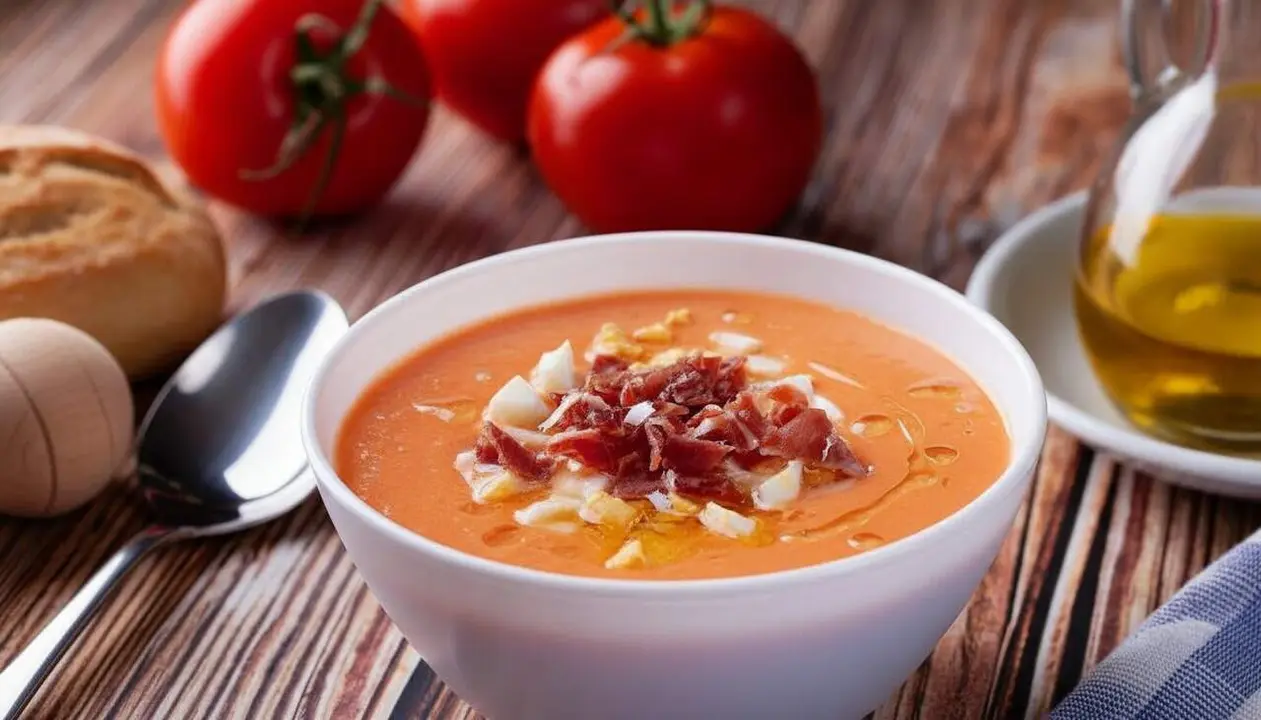

Traditional Cordovan salmorejo contains no water, only one kilogram of ripe tomato, telera bread, and extra virgin olive oil. This classic formula has been upheld for years by the top chefs of Córdoba, who reject the addition of water to achieve the creamy texture.
In fact, the creaminess comes from the natural emulsion between the tomato, bread, and oil, without any added dilution. This is the key that keeps the authentic salmorejo alive, an emblematic dish of Andalusian cuisine that continues to captivate palates in the summer.
Why doesn’t traditional salmorejo need water?
This is a question of great interest to cooks and lovers of Mediterranean cuisine: why is it unnecessary to add water to salmorejo? The answer lies in the quality of the tomato and the type of bread. A ripe tomato contains about 95% water, enough to hydrate the bread and give the smooth, thick texture characteristic of the cream.
Cordovan chef Paco Morales, from Noor restaurant, argues that the raw material is the absolute protagonist of salmorejo. According to him, any addition or dilution breaks the balance that makes this dish an undisputed classic. Along the same lines, chef Kisko García from Choco restaurant assures that when the bread absorbs the juice of the ripe tomato, nothing else needs to be added.
What importance does telera bread have?
Telera bread is one of the ingredients that define Cordovan salmorejo. This white bread, with a compact crumb and thin crust, perfectly absorbs the tomato juice without turning the cream into a watery soup. Its thickness and texture are essential for the emulsion with extra virgin olive oil.
How does water affect the final texture?
Add water and the texture changes radically: the density and creaminess that characterize the original salmorejo are lost. Many homemade recipes opt to add a little water to facilitate blending, but this is rejected by Cordovan experts who champion the purity of the dish.
How is traditional Cordovan salmorejo prepared?
⏱️ Preparation time: 15 minutes
🔥 Calories: approximately 180 per serving
👨🍳 Difficulty: easy
The process begins by crushing the tomatoes with the garlic and salt. Then small pieces of bread are gradually added so they absorb all the juice. The last step is to add the olive oil in a thin stream while whisking the mixture, which allows the formation of a fine emulsion that imparts the characteristic silky texture.
The secret lies in not adding all the oil at once, but little by little, as is done with homemade mayonnaise. This ensures the oil droplets are perfectly integrated and the cream does not separate.
Can water be added during preparation?
No. Cordovan chefs insist that traditional salmorejo does not contain water. Any addition other than tomato, bread, oil, garlic, and salt breaks the authentic texture and flavor.
What are the traditional garnishes?
Salmorejo is often served accompanied by chopped hard-boiled egg and serrano ham, but these ingredients are only accompaniments and are not part of the base cream. An extra drizzle of extra virgin olive oil can also be added before serving.
Why is salmorejo such a popular dish and how has it evolved?
Salmorejo has centuries of history predating the arrival of the tomato in Europe. Originally it was made with bread, garlic, oil, and vinegar, but the tomato eventually became the main ingredient of the dish we know today.
Currently, many chefs offer reinterpretations with ingredients such as beetroot, mango, or even strawberries, but classic Cordovan salmorejo maintains its essence intact. The Spanish Nutrition Foundation recognizes the tomato as an important source of vitamin C, potassium, and lycopene, an antioxidant that becomes more accessible when the tomato is crushed and olive oil is added.
2026: Chefs and Catalan Chefs concur in valuing tradition and the quality of ingredients to keep classic dishes like salmorejo authentic.
It is a refreshing, satisfying, and very nutritious dish, perfect for the summer months and proof that well-executed simplicity always triumphs. When the tomato is at its best, no water is needed: just respect the traditional recipe.
Finally, salmorejo is a clear example of how traditional cuisine can remain alive and relevant without resorting to artifices that distort its original flavor and texture.
Maintaining the traditional recipe is keeping an essential part of Cordovan and Andalusian culinary heritage alive.
Frequently Asked Questions
- Why should water not be added to traditional salmorejo?
- Because the ripe tomato provides enough natural water to hydrate the bread and create the creamy texture without diluting the flavor or consistency.
- What type of bread should be used to make authentic salmorejo?
- Telera bread should be used, a typical white bread from Córdoba with a compact crumb that absorbs tomato juice well without making the cream watery.
- How is the characteristic emulsion of salmorejo achieved?
- By gradually adding extra virgin olive oil while whisking the mixture, allowing the oil to fully integrate and provide the silky texture.