Young people jump from the rocks of the Miracle in Tarragona
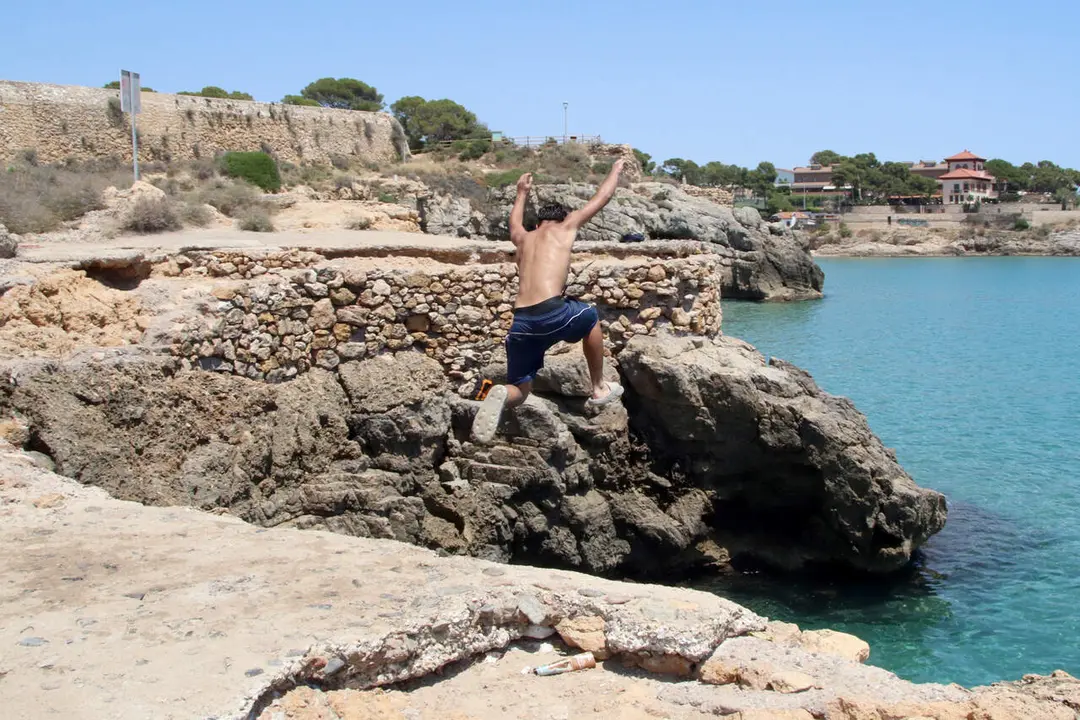

A group of underage youths has been jumping at the Miracle beach in Tarragona despite the signs prohibiting it. This practice, although minority, has been repeated for years and poses an evident risk to their safety, especially after the recent tragedy at Arrabassada.
The area is signposted and monitored by the Urban Guard, but it seems this does not always stop the urge to jump from the prohibited rocks. Do you want to know what lies behind this phenomenon and how it affects the neighbors?
The practice of jumping at Miracle beach
Why do youths continue to jump despite the prohibition?
The answer is complex and involves a mix of youth, adrenaline, and ignorance of the real danger. The signs and police presence are not always enough to stop this behavior which, according to witnesses, has been happening for years.
What risks does this activity entail?
By jumping from the rocks, minors expose themselves to falls, hits against the rocks, and treacherous sea currents. The death of three boys at Arrabassada a few days ago reminds us that the danger is very real, and that the area is not prepared for this type of activity.
Institutional response and urban surveillance
How does the Tarragona City Council act in this situation?
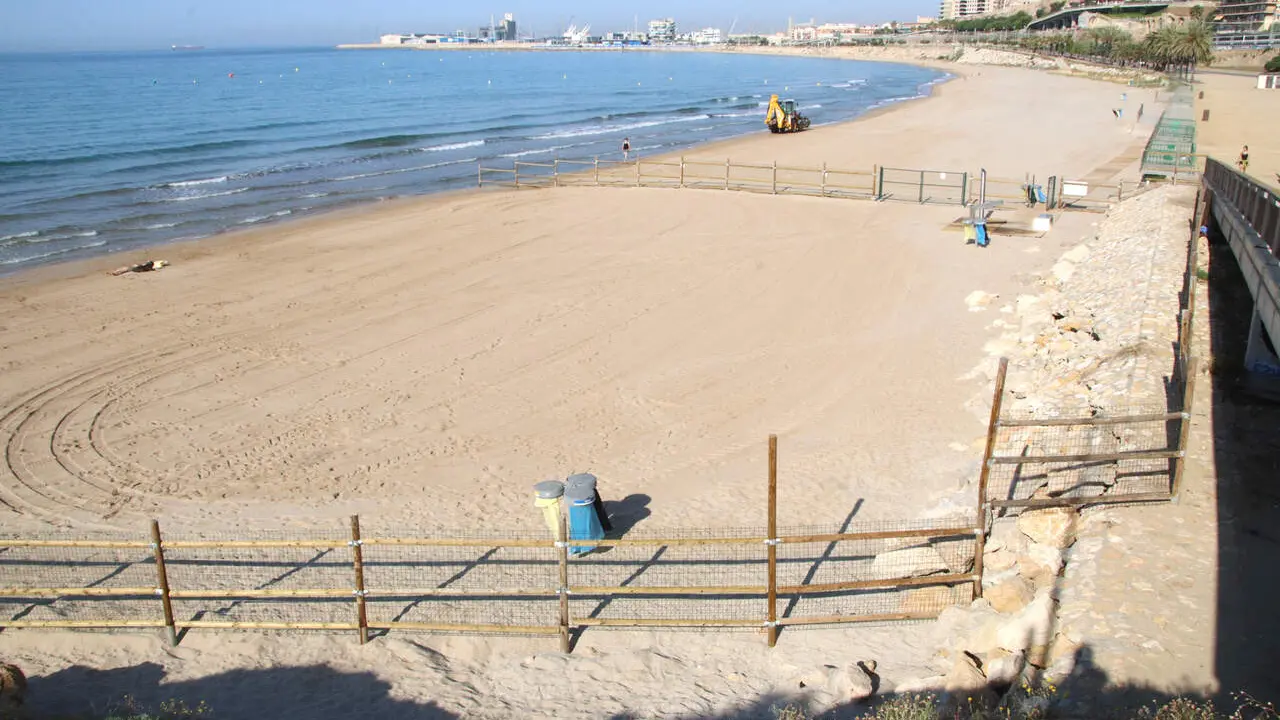
The City Council placed prohibition signs and maintains Urban Guard surveillance in the Miracle beach area. The goal is to prevent accidents and raise awareness about the seriousness of jumping from unauthorized places.
How effective is the surveillance?
Although the police presence is there, youths often move quickly and take advantage of moments of low surveillance. This shows that the solution is not only repressive, but more information and awareness are needed.
Local impacts and citizen awareness
How does this behavior affect the neighbors and beach users?
The neighbors express concern about safety and order in the area. Moreover, the presence of youths jumping can scare other bathers and generate conflicts in a heavily frequented natural space.
What measures can help reduce these incidents?
- Information campaigns at schools and families about the risks.
- Improvement of signage with clearer and more impactful messages.
- Regular presence of patrols that engage in dialogue and education, not just control.
- Safe leisure alternatives for youths seeking adrenaline.
| Aspect | Current situation | Improvement proposal |
|---|---|---|
| Signage | Prohibited signs but ignored | More visible and impactful messages |
| Surveillance | Occasional presence of Urban Guard | More frequent and educational patrols |
| Awareness | Limited information to youths | School and family campaigns |
The reality is that Miracle beach is a much-loved natural space, but it hides dangers that many youths do not perceive. The combination of leisure and risk can be deadly if attitudes and problem management do not change.
With these elements on the table, the question is clear: how will we make safety win over temptation? Meanwhile, attention must be kept and information provided leaving no room for excuses.
Frequently Asked Questions
- Why don’t youths respect the prohibition signs?
- Many youths seek strong emotions and often underestimate the real risk, which leads them to ignore the warnings.
- What is the main cause of accidents on the beach rocks?
- Falls and unexpected sea currents are the main causes of serious accidents in this area.
- What alternatives are there for youths who want to jump safely?
- There are facilities and specialized clubs offering safe and supervised spaces for this type of activity.
Article source: Eloi Tost | ACN