Which nut is the healthiest? Almonds, walnuts, and pistachios under nutritional review
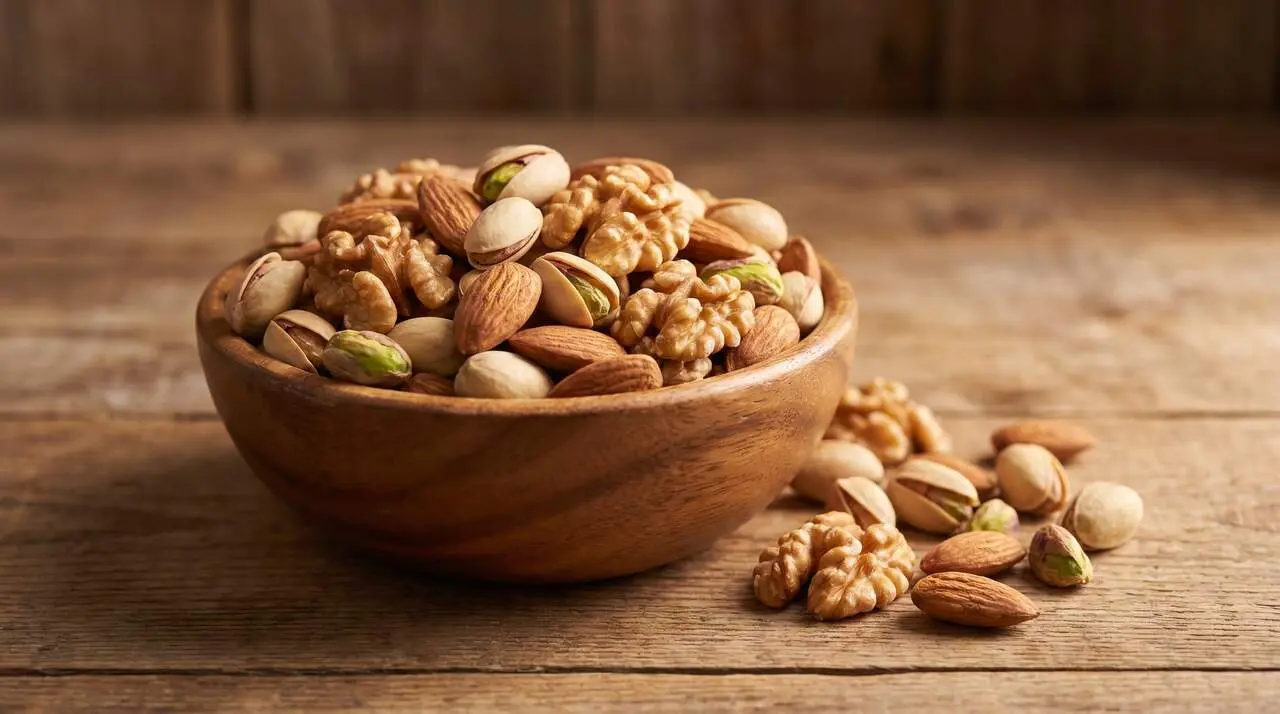

Almonds, walnuts, and pistachios are stars of many healthy diets due to their unique properties. Each nut provides specific nutrients that influence different aspects of physical and mental well-being, but, which is the best option for you?
The answer is not as simple as it seems, because there is no universally superior nut. Specialists from the prestigious Harvard School of Nutrition emphasize that variety is key to getting the most benefits from these foods.
Nutritional properties of nuts: what should you consider?
The choice between almonds, walnuts, and pistachios is especially relevant for those seeking a balanced diet rich in essential nutrients. Each of these nuts stands out for specific components that impact cardiovascular health, weight control, and brain function, among others.
What nutrients does each nut provide?
Almonds are a notable source of vitamin E, magnesium, and fiber, in addition to having a high content of plant-based protein. This nutritional profile is associated with improved heart health and cholesterol control, not to mention that they are lower in calories compared to other nuts. On the other hand, walnuts contain significant amounts of plant-based omega-3 fatty acids, antioxidants, and polyphenols, which support brain function and also cardiovascular health, although they are more caloric and contain more healthy fat than almonds or pistachios.
Meanwhile, pistachios are characterized by their content of vitamin B6, potassium, and antioxidants, as well as having fewer calories and fat than walnuts. This composition makes them ideal for weight control and caring for both eye and cardiovascular health.
Why does this information matter to someone who eats consciously?
Knowing the differences between these nuts allows for optimizing the diet according to individual needs. For example, if you’re looking for an omega-3 boost, walnuts are the best option. If you want a snack with fewer calories and more protein, almonds and pistachios fit better. This data helps make more informed and healthier decisions.
How to consume nuts to maximize their benefits?
Moderate consumption in their natural form is fundamental to benefit from the properties of almonds, walnuts, and pistachios. Experts recommend avoiding fried, caramelized, or salted versions, which can counteract the positive effects.
What is the recommended daily amount?
The optimal range is about 20 to 30 grams daily, equivalent to 4-7 pieces of walnuts, 15-23 of almonds, or 30-49 of pistachios. These portions provide a good balance of healthy fats, protein, fiber, vitamins, and minerals without exceeding the recommended calories.
What are the best times and ways to consume them?
They can be included as a mid-morning or afternoon snack, added to salads, yogurts, fruits, or porridges, and even ground for making smoothies or nut mixes. Nutritionist Marc Serra comments that the goal is to make them part of a balanced diet that promotes health without sacrificing flavor.
How to combine almonds, walnuts, and pistachios for a healthier diet?
Alternating and mixing these nuts allows you to enjoy a wide range of nutrients and avoid monotony. Dr. Marta López, an expert in clinical nutrition, recommends varying portions throughout the week to ensure taking advantage of the unique characteristics of each.
How can these nuts be integrated into everyday recipes?
We can use them to prepare a healthy cake or add them to a fresh and light dish, ideal for summer, like zucchini spaghetti. These options are a delicious and healthy way to keep the body active and nourished.
What health benefits does this combination provide?
Combining different nuts can help improve brain function, protect the heart, and maintain a healthy weight. In addition, variety in the diet prevents excess calories and provides essential antioxidants that fight cellular aging.
The reality is that almonds, walnuts, and pistachios are allies for a balanced and delicious diet, as long as they are consumed in moderation and without harmful additives. The key is to vary and know what each nut provides to choose according to the moment and specific health goal.
Frequently Asked Questions
- Which nut contains the most healthy fat?
- Walnuts contain more healthy fats, especially plant-based omega-3s, ideal for brain and cardiovascular health.
- What is the recommended daily amount of nuts?
- Between 20 and 30 grams per day, corresponding to 4-7 walnuts, 15-23 almonds, or 30-49 pistachios, depending on preference.
- Is it better to consume nuts raw or roasted?
- It is preferable to consume them raw and without added salt or sugar to preserve all their nutritional properties and health benefits.