Vila-seca honors Joaquim Margalef with a cycle that rethinks mobility in the Camp de Tarragona
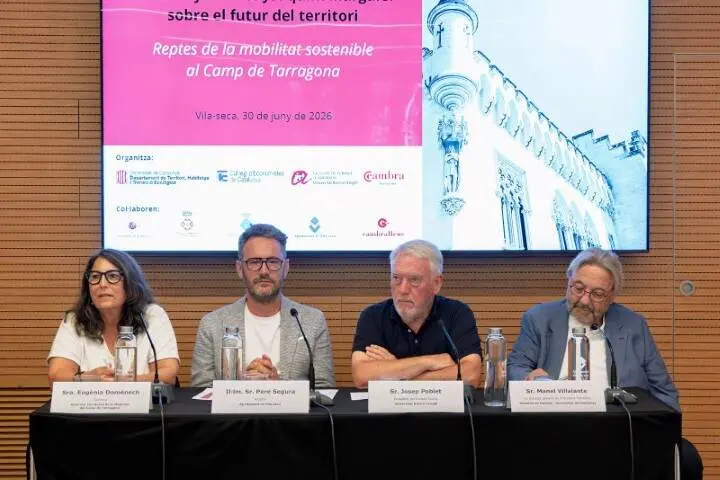

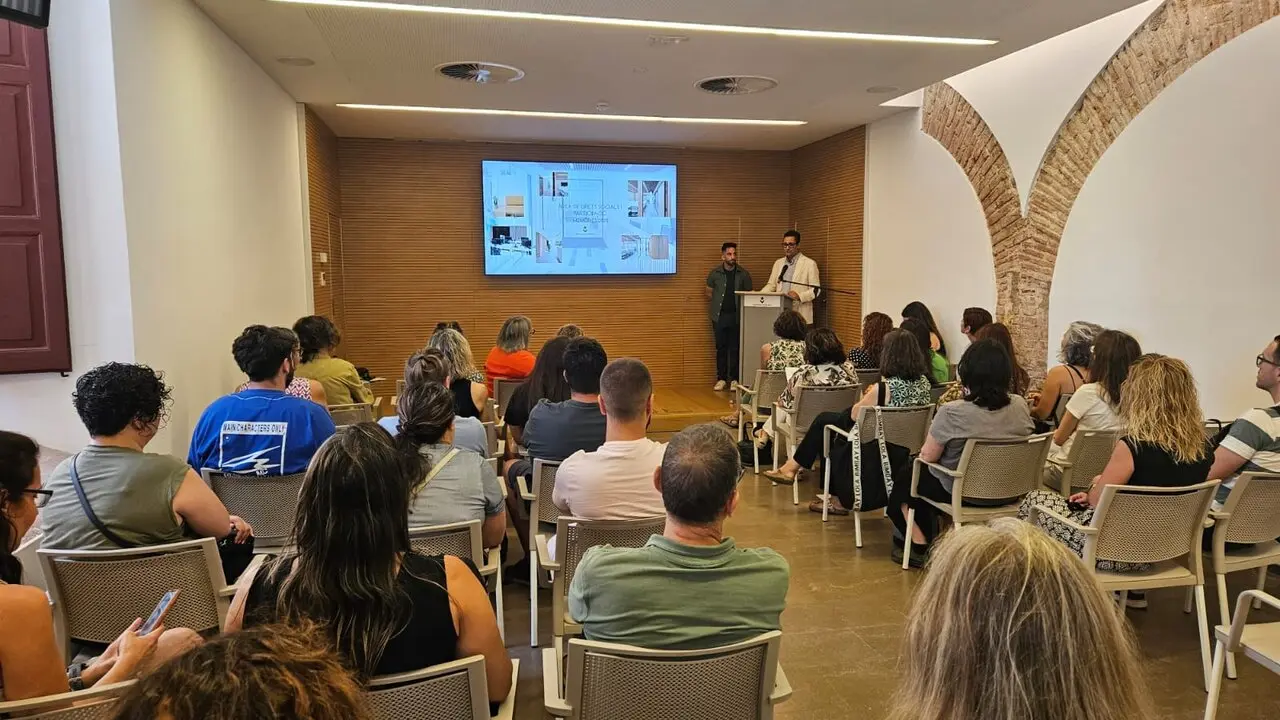
Vila-seca has highlighted the legacy of Joaquim Margalef with a series of conferences addressing the future of the territory and sustainable mobility in the Camp de Tarragona. This initiative aims to show how his thinking remains key to understanding and planning the territory beyond local perspectives.
The municipality brings together experts and institutions to reflect on the challenges posed by the mobility of tomorrow, seeking a more integrated and sustainable model that directly impacts the quality of life of the inhabitants.
Challenges of sustainable mobility in the Camp de Tarragona
What makes mobility a challenge for the Camp de Tarragona?
The Camp de Tarragona faces a situation where demographic and economic growth puts pressure on infrastructures and the environment. Sustainable mobility is key to reducing emissions and improving connections between municipalities.
How is integrated mobility proposed according to experts?
Experts such as Manel Villalante advocate models that integrate efficient public transport, active mobility, and clean technologies, taking into account the economy and urban planning to cohesively connect the territory.
The figure of Joaquim Margalef and his influence on Vila-seca
What was Margalef’s relationship with Vila-seca?
Margalef was the author of the Economic and Financial Study that accompanied the General Urban Planning Plan of 1993, being a key piece for the local and territorial development of the municipality.
Why does his thinking remain relevant today?
His integrative vision of the territory, which connects economy, urban planning, mobility, and quality of life, is the paradigm that still governs the design of local and supramunicipal policies.
The role of institutions in the territorial future
How does the Territorial Mobility Authority (ATM) of the Camp de Tarragona act?
The ATM structures coordination between municipalities and manages mobility strategies that address environmental and connectivity challenges, promoting sustainable and efficient solutions.
What importance do these conferences have for Vila-seca and the region?
The conferences allow knowledge and strategy sharing, placing Vila-seca and the Camp de Tarragona at the center of the debate on how to face the future of the territory with a coordinated and realistic perspective.
| Aspect | Detail |
|---|---|
| Date of the conference | June 30, 2026 |
| Location | Sala Sicart, Vila-seca Castle |
| Notable participants | Pere Segura, Josep Poblet, Eugènia Domènech, Manel Villalante |
| Central theme | Sustainable mobility in the Camp de Tarragona |
Margalef’s perspective reminds us that the territory cannot be conceived as a sum of isolated areas, but as an interconnected ecosystem where mobility plays an essential role. This series of conferences is a meeting point to advance towards this horizon.
The reality is that Vila-seca, approaching the legacy of Joaquim Margalef, offers a fresh and necessary perspective to face the challenges ahead for the Camp de Tarragona. Sustainable mobility is not just a concept: it is the key to keeping the quality of life and economic dynamism of the region alive.
Frequently Asked Questions
- Who was Joaquim Margalef and why is he remembered in Vila-seca?
- Margalef was an expert who contributed to the urban development of Vila-seca and advocated an integrated vision of the territory that remains relevant.
- What challenges does mobility face in the Camp de Tarragona?
- The main challenges are reducing emissions, improving connections between municipalities, and implementing more sustainable and efficient transport.
- What role does the Territorial Mobility Authority of the Camp de Tarragona play?
- The ATM coordinates mobility policies and plans to ensure coherent and sustainable management throughout the region.
Source of the article: Vila-seca Town Hall