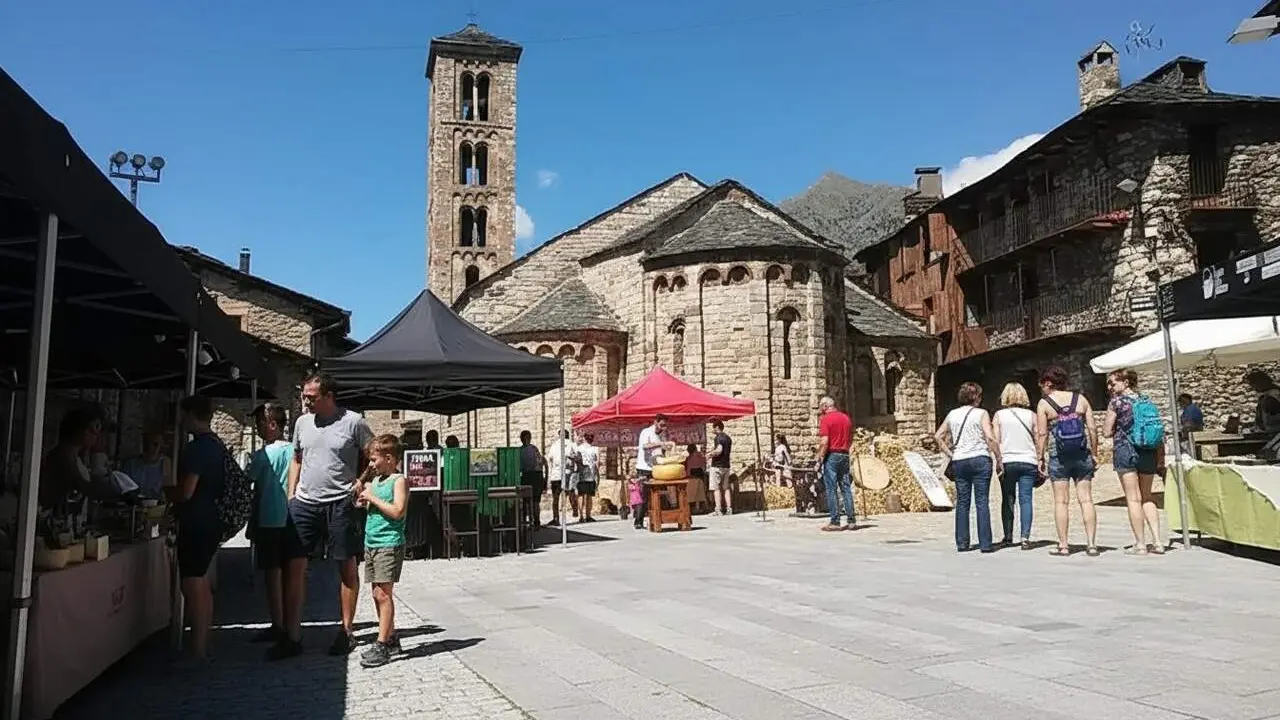
Spain changes rules: terraces will have to close in summer due to heat
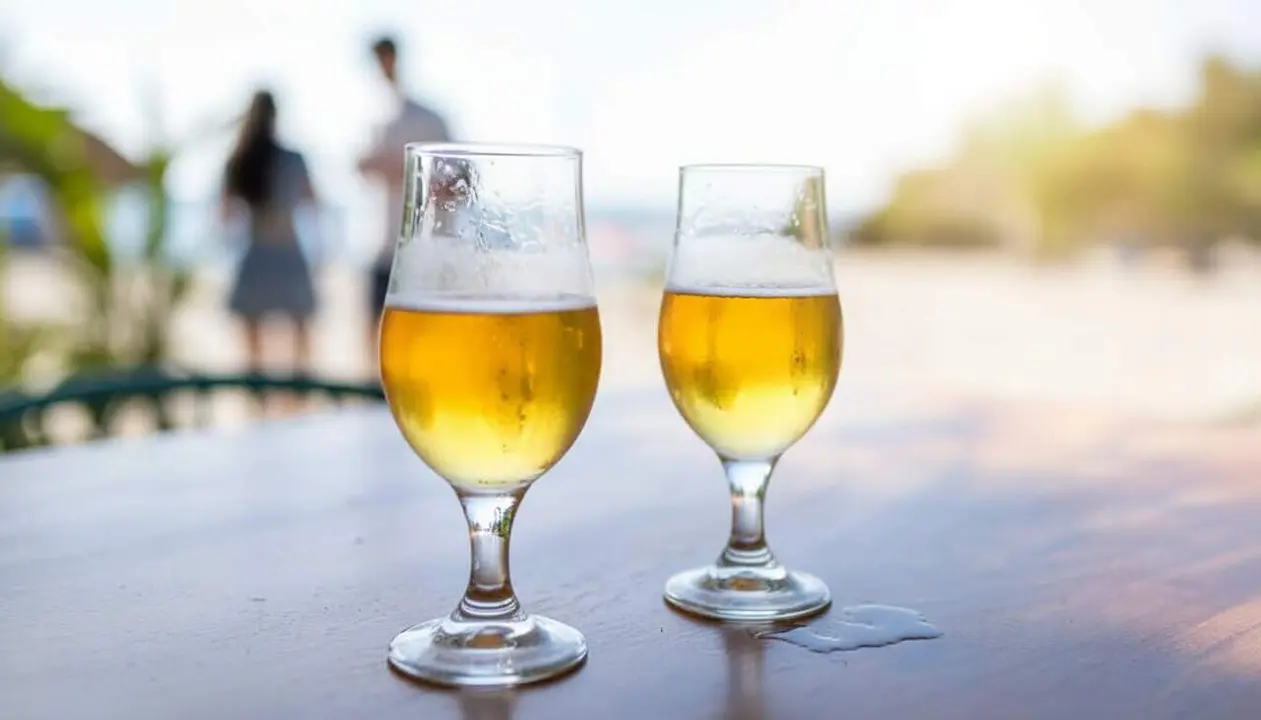

When the summer sun becomes relentless and terraces turn into the main attraction for everyone seeking to cool down, the reality can be harsher than it seems. Hours under direct sunlight are not only uncomfortable, but they can also endanger the health of waiters who work tirelessly outdoors.
For this reason, changes have been announced in Spain that will especially affect the terraces of bars and restaurants during the hottest days. The new regulations aim to prevent serious risks such as heat strokes or dehydration, but this may have a direct impact on the way we experience summer dining.
The new legal framework and restrictions for extreme heat
The VI National Labor Agreement for Hospitality (ALEH), supported by Hostalería de España, CEHAT, FeSMC-UGT, and CCOO Services, establishes that outdoor work must be adapted when temperatures are extremely high. This means that during heat waves with orange or red warnings from AEMET, terraces must close if worker protection cannot be guaranteed.
Cities under pressure from high temperatures
Cities like Seville, Córdoba, and Madrid are the most affected, with thermometers surpassing 40 degrees during peak hours, causing many workers to suffer from ailments such as dizziness or dehydration. The situation is worsened by terraces lacking adequate ventilation or shaded areas.
Impact on business activity and revenues
Terraces are an essential source of income, especially in tourist areas. Thus, closing them during the hottest hours can represent a significant loss of revenue. Some establishments are already preparing to face this reality, understanding that heat waves are not isolated episodes but can last for weeks.
Measures to keep terraces open safely
Establishments wishing to keep terraces open during heat episodes must install temperature-reducing systems such as roofs with thermal insulation, water misting systems, or pergolas with industrial fans. This minimizes exposure to direct sunlight for both customers and workers.
Reorganization of shifts and breaks
The protocol recommends reorganizing shifts to avoid any worker being outdoors for too long consecutively and ensuring continuous access to water. Furthermore, it proposes avoiding terrace work between 1:00 p.m. and 6:00 p.m., the time slot with the highest heat intensity.
Commitment to occupational health
A waiter working several hours straight with temperatures over 40 degrees experiences increased fatigue and a higher risk of accidents. According to hospitality experts, these measures are essential to reduce physical stress and improve safety for all staff.
Practical application and sanctions
Implementation depends on official warnings from the State Meteorological Agency (AEMET). Establishments without adequate measures will have to close the terrace and offer service only indoors in air-conditioned spaces.
Territorial variation of restrictions
Each autonomous community may adapt the rules according to its climate. This means that restrictions in Seville will not be the same as in cities with less heat, a key detail for restaurateurs and customers.
Control and economic fines
The Labor Inspection will be responsible for enforcing the measures. In case of non-compliance, fines can reach up to 50,000 euros, an amount that could jeopardize the viability of small family businesses operating with tight margins.
All in all, a change that is generating debate but seeks to balance workers' health with the tradition and social life surrounding outdoor dining. To learn more about how Spain sets rules impacting various sectors or to discover the exhibition that changes perspectives, the debate remains alive.
Empty terraces during the hottest hours will be a new and strange image for many, especially in southern Spain, where the street and alley become extensions of the dining room for months. But the reality is that worker health and safety are the priority, and this summer will be different for outdoor dining.