The brill, the fish that changes its name when cooked: secrets and recipes

There are fish that are not easily categorized, and the brill is a clear example. A Mediterranean fish that, if you're not careful, can confuse you with its name and culinary history. Whether you buy it at the fish market or see it on a restaurant menu, it is useful to know what lies behind this name that changes according to how it is cooked.
Have you ever wondered why at the table the brill can appear under other names, such as turbot or rom? This confusion is no accident but the result of a culinary and linguistic tradition that spans centuries and seas. And it is here, precisely, that the story of this fish begins, which often leaves everyone with a question mark on their lips.
Brill and turbot: two names, a classic confusion
The fish and its unique shape
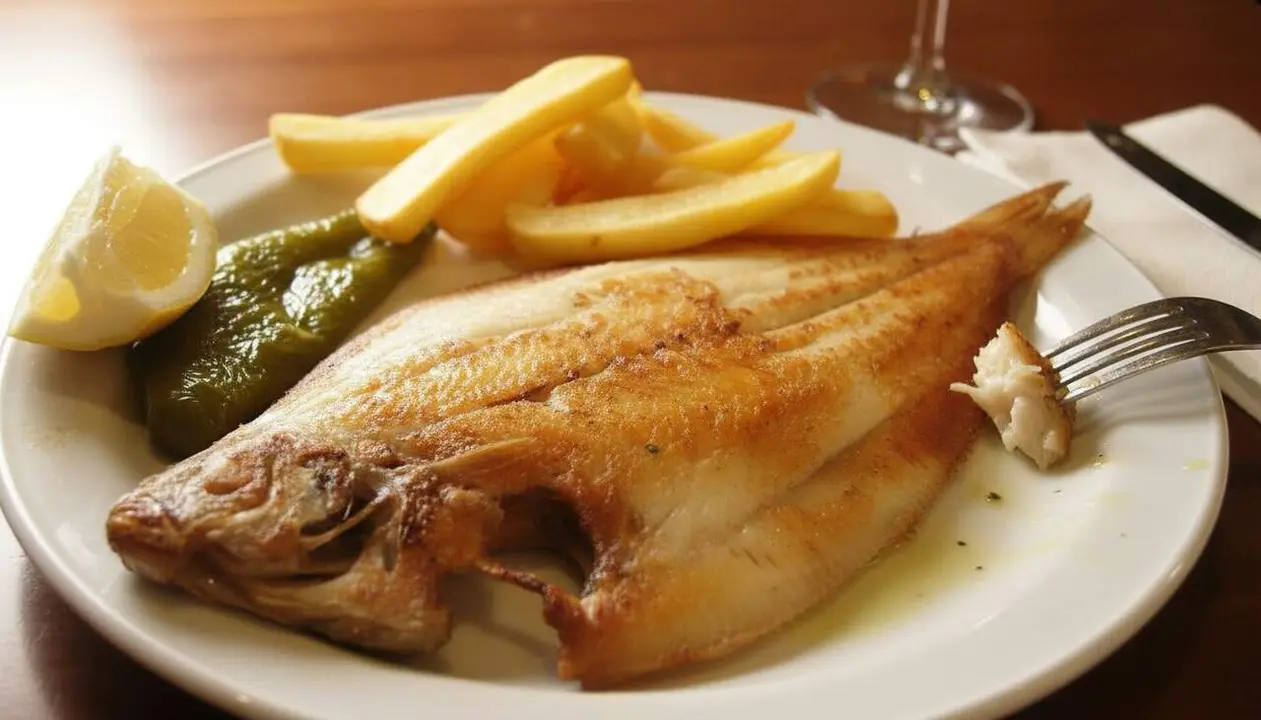
The brill, scientifically Scophthalmus rhombus, is a flat, rhomboid fish that inhabits sandy bottoms from 30 meters deep, although in summer it approaches the coast. With a size that usually does not exceed 60 cm, it has a body with tones ranging from gray to brown, with light spots and a lighter belly. Mediterranean fishermen have always valued it as a resource, catching it with various techniques, from trammel nets to hooks.
But it is when the brill enters the kitchen that confusion settles in: in Catalan and Spanish it can be confused with the turbot or “rèmol empetxinat” (Psetta maxima), which has a different name but similar appearance. This duality makes, according to experts and chefs, the same fish change its name depending on whether it is raw or cooked. This is not common anywhere else.
The history and tradition explaining the name change
Turbot is one of the jewels of French and British cuisine, with classic recipes such as turbot à la crème d’huîtres. It was already appreciated by the Romans, who even had the Senate deliberate on how to cook it during Domitian’s time. Since then, its fame has grown, but in our territory turbot has ended up becoming the “rèmol empetxinat,” while the regular brill maintains a different category, often considered inferior but with its own character.
Thus, Catalan cuisine has adopted the turbot as the “rèmol empetxinat,” while the simple brill keeps its identity. This distinction is not only linguistic but also gastronomic, since turbot is more valued, especially in French cuisine, where it is cooked with refined sauces and special techniques.
How to cook brill: tradition and Mediterranean flavor
The classic Catalan brill stew
Brill is a fish that offers a lot of possibilities in traditional cooking. It can be grilled, fried, or made in stews and casseroles, one of the most cherished ways among fishermen. Its fine white flesh lends itself to combinations with pastes of garlic, tomato, parsley, and white wine, which provide a deep Mediterranean flavor.
A typical recipe consists of cutting the brill into slices, making a paste with roasted vegetables and bread soaked in white wine, and cooking everything in a cast iron pot with very hot oil for about 20 minutes. The paste can be modified with almonds, saffron, or even a touch of chili, making the dish versatile and to the taste of the cook or diner.
Cutting the brill and professional tips
The process of cutting the brill is not as simple as it seems and requires some skill. According to expert Josep Lladonosa, a vertical cut must be made along the spine to separate the parts, empty the fish, and cut it into slices. This knowledge is passed on in hospitality schools and is key to getting the most out of this fish efficiently and cleanly.
As a curiosity, although the “rèmol empetxinat” usually found in markets often comes from fish farms, the traditional Mediterranean brill is caught with artisanal techniques and maintains a highly valued gastronomic status in the area. And when talking about eating fish, it is also interesting to know the importance of fish in our cuisine and, for example, the foolproof fish recipe in sauce for sea bass, hake, and more.
Brill in European cuisine and its variants
From the Mediterranean to Northern Europe
Turbot or “rèmol empetxinat” is not only famous on our coasts but is widely caught and cooked in the European Atlantic zone, from Galicia to Norway. In Galicia, turbot is known as coruxo or escamudo, and its name comes from a local beach, a detail showing the close relationship between sea and culture.
French and Nordic cuisines have elevated turbot to very elaborate dishes, often cooking it in the oven with sauces like béarnaise, hollandaise, or saffron, or steamed with ingredients such as oyster mushrooms and champagne. There is even a specific container, the turbotière, for its perfect preparation.
A fish with literary and cultural presence
Turbot has also inspired literature, as with Nobel Prize winner Günter Grass, who dedicated a novel to it. This cultural presence reinforces its importance beyond the kitchen and makes it a symbol of European maritime gastronomy and culture.
Although on the Costa Brava “rèmols empetxinats” are occasionally found, the market mainly offers farmed pieces, more accessible but with a flavor many appreciate. Nevertheless, tradition and respect for fresh, local product remain key values for chefs and enthusiasts.
The reality is that brill is one of the most versatile and flavorful fish we can find, and knowing its different versions and names helps better understand the richness of our Mediterranean gastronomy.