The Catalan Society of Greco-Roman Theatre celebrates 30 years bringing the classics closer
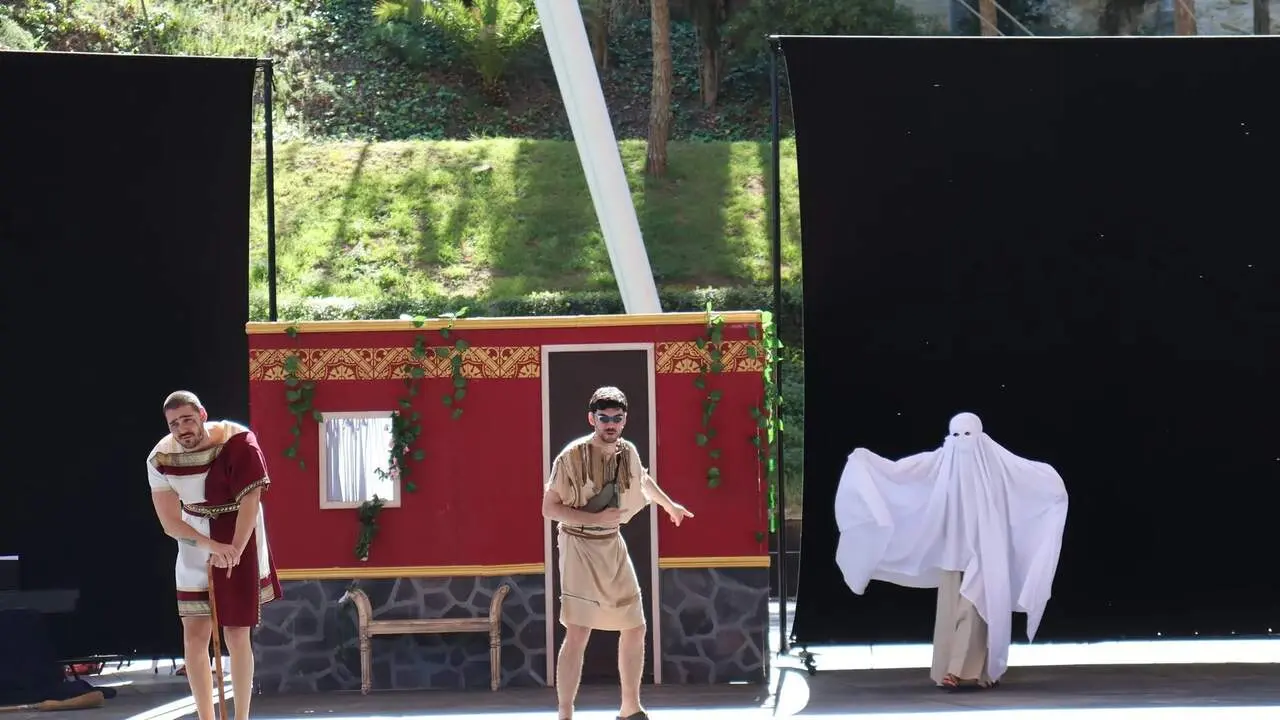

The Catalan Society of Greco-Latin Theatre celebrates 30 years bringing classical theatre to secondary school students in a way they will not easily forget.
The festival, which gathers thousands of students in Tarragona, is the driving force behind an initiative that unites the university and educational centers to keep the Greek and Roman legacy alive.
The festival that brings the classics to life in secondary education
A project with more than three decades of history
The Catalan Society of Greco-Latin Theatre was born in the nineties thanks to the impulse of professor Antoni González Senmartí and a group of classical teachers, who wanted to bring the plays to emblematic spaces such as the Camp de Mart in Tarragona.
Now, three decades later, the festival has grown to become a must-attend event for more than 5,000 students who attended the performances last April at the Tarragona Conference Palace.
Performances that connect with students
This year the Greek tragedy Antigone and the Roman comedy Mostellaria were the protagonists, performed by the Alezeia group, which helps make the syllabus for the University Entrance Exams (PAU) more accessible and exciting.
Students not only watch the plays but also work with the didactic booklets published by the Society, which include versions in Catalan and Spanish, facilitating learning and understanding.
The university and secondary schools, allies for classical culture
The central role of the URV
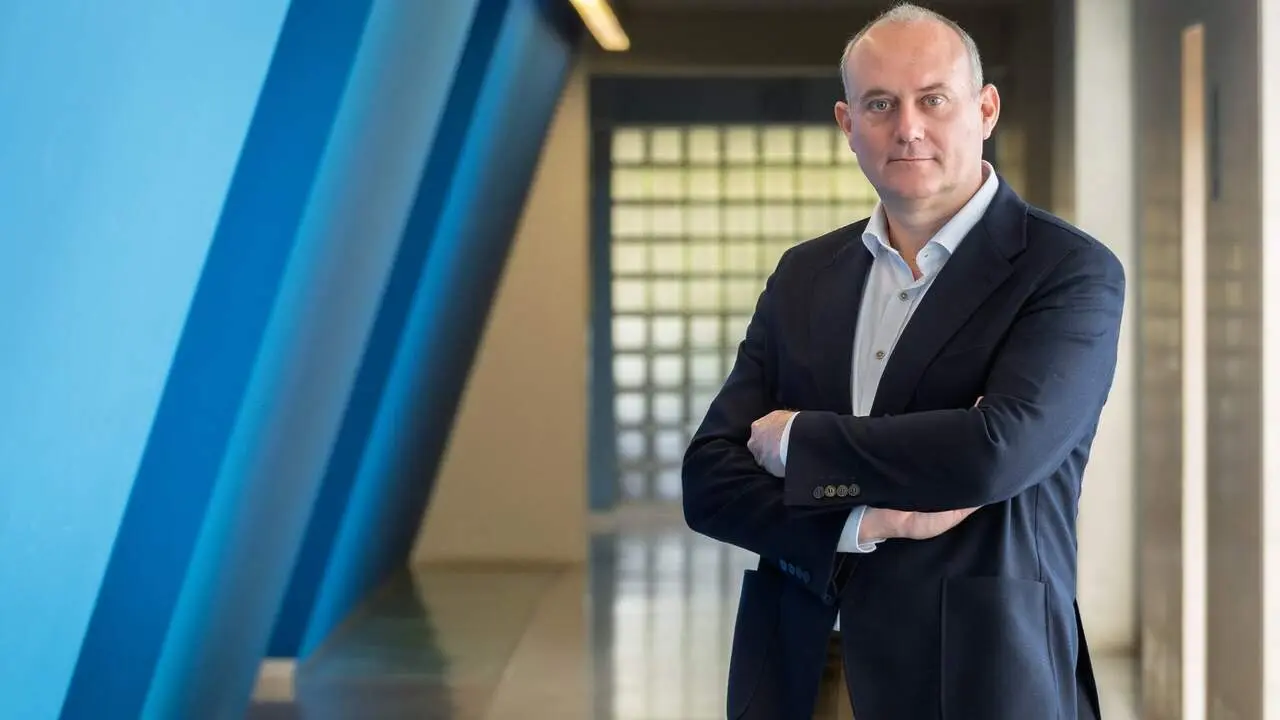
Professor Jesús Carruesco, president of the Society and member of the Catalan Philology Department at the URV, highlights the constant commitment to education and theatre as a living tool to transmit culture, emotions, and values.
The collaboration with the Faculty of Letters and secondary school teachers is key to keeping the project updated and eager to surprise every academic year.
Round table and local companies
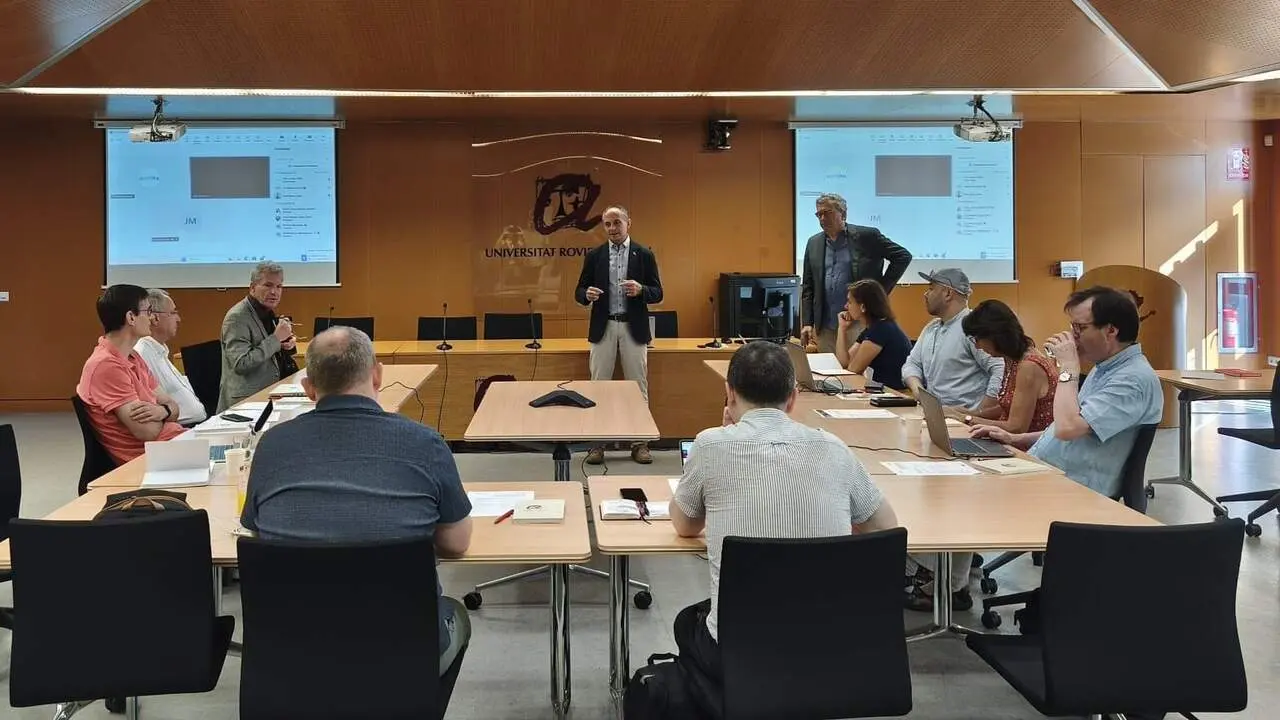
As part of the thirtieth anniversary events, a round table was organized at the Catalunya campus to discuss the translation and adaptation of the classics to the baccalaureate, showing the relevance of these works today.
Additionally, the company Vis de Vanadi, made up of students from the Antoni de Martí i Franquès Institute, performed The Twins by Plautus, highlighting the direct involvement of students in the project.
Impact and future of Greco-Latin theatre in education
An awakening of passions and vocations
According to Carruesco, many young people discover classical literature thanks to this festival, and some even end up studying at the Faculty of Letters at the URV, driven by this first close and lively contact.
The enthusiastic response from students ensures the continuity of the project, which is constantly renewed to deliver the classics in a memorable way.
Pedagogical material and didactic tools
- Bilingual booklets in Catalan and Spanish
- Adapted versions to facilitate comprehension
- Support for secondary school teachers
- Complementary activities during the school year
This material is the foundation for students to prepare the plays and enjoy them more profoundly, turning theatre into a truly enriching educational experience.
Just look at how every year students eagerly await this event that turns classical culture into something alive, exciting, and close.
Therefore, the Catalan Society of Greco-Latin Theatre not only maintains ancient theatre but also breathes fresh air into Catalan secondary education.
Source of the article: Rovira i Virgili University