How biomarkers and metabolomics are revolutionizing nutrition
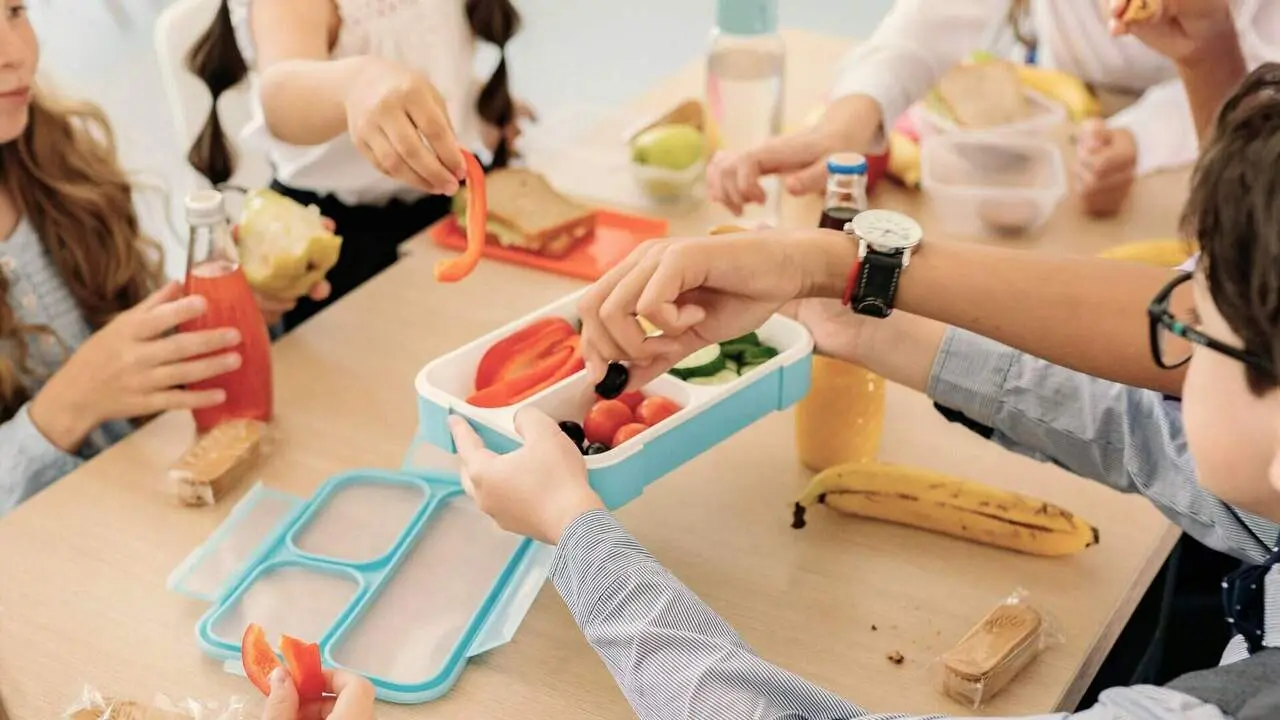

Imagine that your child's diet was not just a list of foods, but a real map of what their body says they eat. This is the revolution being led by research at the Universitat Rovira i Virgili (URV) with metabolic biomarkers and metabolomics applied to child nutrition.
Traditional dietary monitoring is based on recalls and subjective assessments, which complicates knowing what children really eat. But now, thanks to the study of metabolites — molecules that leave a metabolic footprint of foods — the door opens to understanding and treating child nutrition with greater precision.
Metabolomics as a tool to analyze child diet
How metabolites work in child nutrition
Metabolites are products of metabolism that can be detected in fluids like blood and urine. This "metabolic footprint" reflects not only what has been eaten but how the body responds to those foods. For example, hippurate and betaine proline increase with fruit and vegetable consumption, indicating a healthier diet.
Current limitations and challenges in research
In children, research is still scarce. The URV team analyzed 659 studies up to 2025, but only eight met the strict criteria to include minors and link metabolites to specific foods. The final sample included nearly 6,000 children from twelve countries, a step forward but still insufficient for definitive conclusions.
Key biomarkers that make a difference in child diet
Metabolites related to fresh and healthy foods
The detected compounds reveal much. DHA, an essential omega-3 fatty acid, stands out in blood when fish consumption is high, while amino acids like leucine, valine, and isoleucine are lower in diets full of ultraprocessed foods, possibly due to the lack of quality proteins.
Indicators of a diet with ultraprocessed foods
When hippurate decreases, it alerts that the diet is dominated by processed, low-freshness products. This is crucial because these molecules could serve as warning signals to detect unbalanced diets and intervene before metabolic diseases appear.
Towards personalized and effective child nutrition
Practical applications of metabolic biomarkers
According to Verònica Luque, URV researcher, these biomarkers could help to more precisely understand children’s real habits and how their body reacts to each food. This would allow designing nutritional interventions tailored to each child, improving prevention and treatment of diseases such as obesity.
The Biomarkid project and the European horizon
The European Biomarkid project, led by URV and IRBcatSud, analyzes biomarkers of diet and physical activity in thousands of children. The goal? To deepen the relationship between diet and health from the earliest stages of life, marking a before and after in pediatric nutrition.
With this new approach, child nutrition will no longer be just a matter of "what they eat," but also "how each child’s body processes it."
The reality is that these advances can transform how we address children's metabolic health, opening the door to a more real, measurable diet tailored to the real needs of each individual.
Sources consulted
- Universitat Rovira i Virgili – Study and review on metabolomics and child nutrition
Article source: Universitat Rovira i Virgili