Smart nanocapsules: the future of cancer treatment
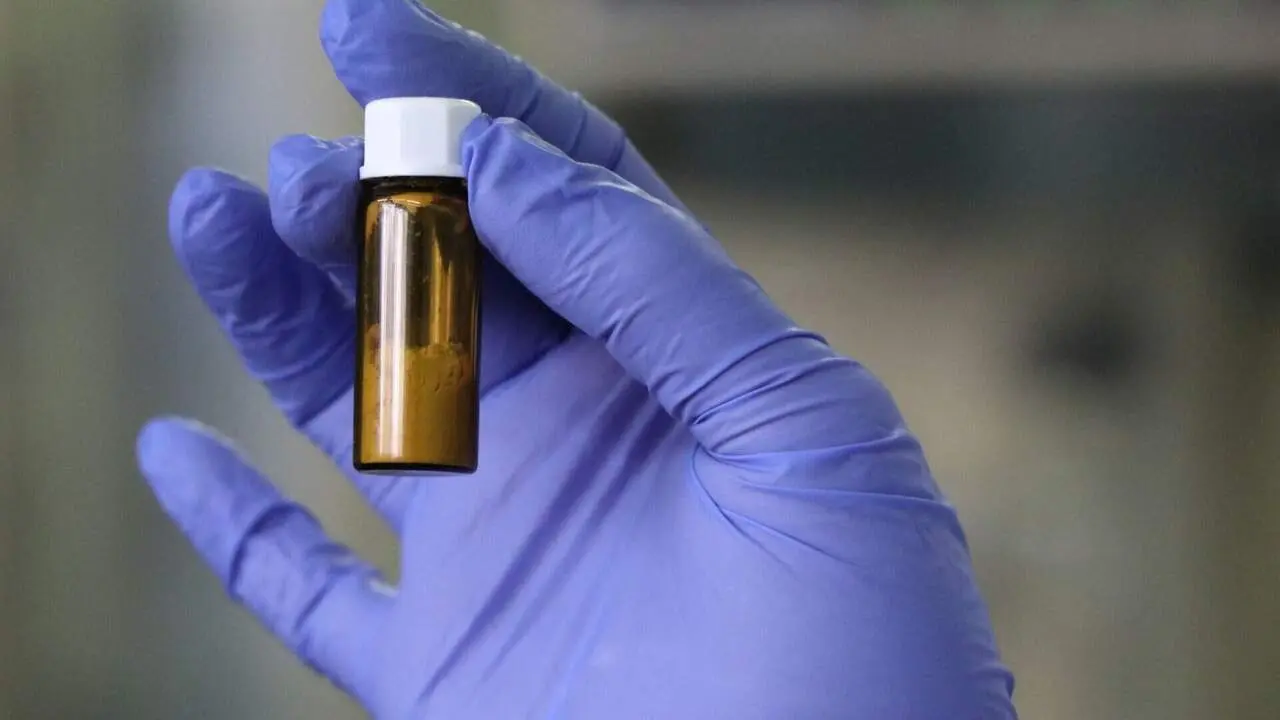

Imagine a cancer treatment that only attacks the tumor and leaves healthy cells intact. This is the revolution pursued by a team at the Rovira i Virgili University with their intelligent nanocapsules.
Since 2018, they have been researching how to deliver drugs precisely to the diseased tissue to reduce doses and side effects, an urgent need in oncology and pulmonary hypertension.
How do intelligent nanocapsules work?
Isolating the tumor to attack it
Dr. Miquel Sistaré explains that the idea is inspired by medieval military tactics: isolating the fortress to cut off supplies. The nanocapsules surround the tumor, encase it, and release the drug directly, preventing it from spreading throughout the body.
The technology behind the capsule
These nanocapsules are not simple passive containers. They are made with medical biopolymers and measure between 200 and 300 nanometers, a size that allows them to circulate without getting trapped in organs like the liver.
Their physicochemical composition causes them to adhere only to the diseased tissue. Additionally, markers can be incorporated that trick the organ into absorbing them, turning the strategy into an active search and a call from the body itself.
Manufacturing and quality control
Producing the perfect nanocapsule
The manufacturing process is key: they use an atomization method that transforms a liquid solution into ultra-fine droplets that dry and form solid particles. This ensures uniformity in size and strength to travel through the body without breaking prematurely.
Rigorous control for each type of cancer
Variability in morphology and composition can alter efficacy, so the team dedicates a large part of their work to adjusting these parameters according to the target tumor, ensuring maximum precision and safety.
Real benefits and the future of the research
Shorter and less aggressive treatments
Directing the drug only to the tumor allows much lower doses to be used, reducing side effects that often cause patients to abandon treatment. Moreover, it could be extended to vulnerable patients such as children and pregnant women.
New horizons and applications
After seven years of research and in vitro tests with good results, the project is advancing to animal trials. At the same time, production is being scaled up to ensure sufficient doses.
Furthermore, the same technology could be applied to other diseases, such as infections, directing antibiotics only to the focus to avoid bacterial resistance caused by indiscriminate use.
The nanocapsules could be administered intravenously, via inhalers, or even as pills, depending on the pathology and the affected organ.
The path is still long, but this approach opens a window to more effective and less invasive treatments. It is not science fiction; it is the reality driving research at URV.
The drugs are prepared to attack with surgical precision. And this can change the lives of thousands of patients.
Sources consulted
- Rovira i Virgili University – Research and development of intelligent nanocapsules
Article source: Rovira i Virgili University