The Farga cafeterias of Barcelona: the sale that shakes the sector
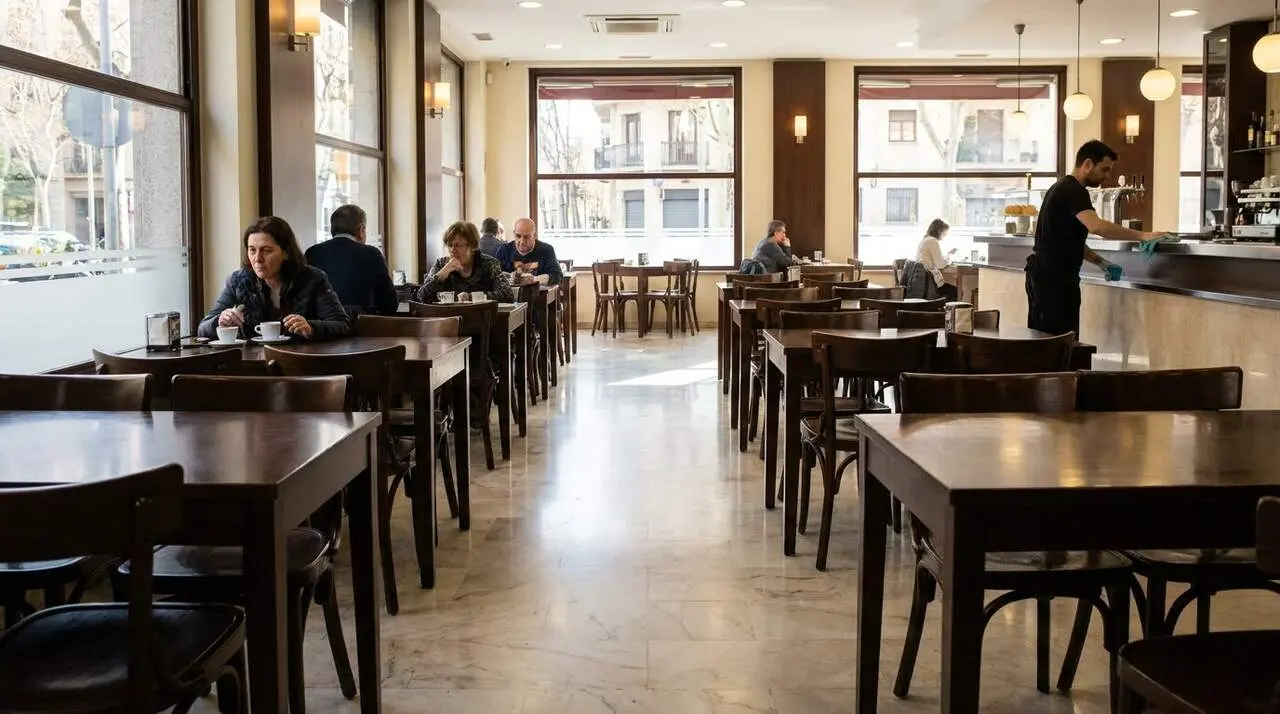

The streets of Barcelona have witnessed one of the most recognized brands in the restaurant sector, Farga cafés, fall into a situation no one wants to see: their official sale announcement. After months of difficulties, the icon of Avinguda Diagonal and Rambla de Beethoven faces a new chapter that puts the entire Barcelona gastronomic environment on alert.
The crisis that has hit the Farga group is not an isolated incident but the result of a series of economic tensions that have ended in bankruptcy proceedings, with debts of up to 5 million euros and a strict timetable for offer submissions that sets May 21 as the deadline.
The sale of Farga cafés and the bankruptcy proceedings
💶 Approximate Debt: 5 million euros
🕐 Offer Deadline: May 21, 2024
🍽️ Specialty: Cafés and catering service with sweet pastries
The judicial process and legal advice
The Commercial Court number 8 of Barcelona opened the offer submission period last April 14 for the companies that make up the Farga conglomerate: Retail Farga Concept, Artepa, Confipa, and Sanabril. This process is overseen by Judge Raquel Palmero, while the law firm Lener and Baker Tilly act as counsel and bankruptcy administrator respectively.
This judicial move reflects the need to find a new investor who will take on part of the outstanding commitments, especially with workers and public administration, an issue that has been a source of tensions in recent months.
Impact on the sector and the Farga family
The Farga family sees the last asset of a food empire they once widely controlled slip away, including the ice cream group Lacrem. The pandemic context, which led to the transfer of the Lacrem group to the Cheyne fund, marked the beginning of the decline that now culminates in the sale of the cafés.
Although the brand maintained its presence with Farggi 1957 and Secrets until the end of 2023, the intervention of a local investor prevented bankruptcy for these units but was not enough to save the rest of the company.
The keys to the future for Farga and the new buyer
What to expect from the new investor?
The future buyer will have to take on not only the management of the premises but also a significant part of the financial and labor commitments. This includes guaranteeing jobs and fulfilling outstanding obligations, a considerable challenge at a delicate time for the restaurant sector.
Sources from the sector indicate that this process could set a precedent for other similar businesses suffering economic difficulties, with the sale as the only way out to maintain activity.
The importance of catering and sweet pastries
A prominent part of the Farga business lies in its catering division, especially sweet pastries, which has been a key element in maintaining its reputation. This branch could be especially attractive to the buyer, as it offers a more flexible line of business with growth potential.
But the challenge is great: preserving the quality and prestige that have characterized Farga for decades while adapting to a constantly changing market.
Context and precedents in asset sales
Similar cases in the gastronomic sector
Behind the sale of Farga lies a scenario that has witnessed other similar operations. For example, Mercadona confirmed a change in the sale of fish in its supermarkets, demonstrating how companies adjust their strategies to survive.
These dynamics reflect the need for adaptation and restructuring in a complex economic environment.
A different case but with parallels
Another notable example is the Danish fortress Flakfortet, which was put up for sale for 10 million euros. Although not related to gastronomy, this operation shows how emblematic assets can change hands when the economy demands drastic decisions.
Such processes highlight the complexity of managing businesses with a great legacy and the need to find new drivers to ensure their continuity.
The reality is that the sale of Farga cafés represents a crucial moment to understand how the Barcelona restaurant sector faces economic and social challenges, with a story ending but a city that always seeks to reinvent itself.