Best roast chicken: the secret of the brine that succeeds
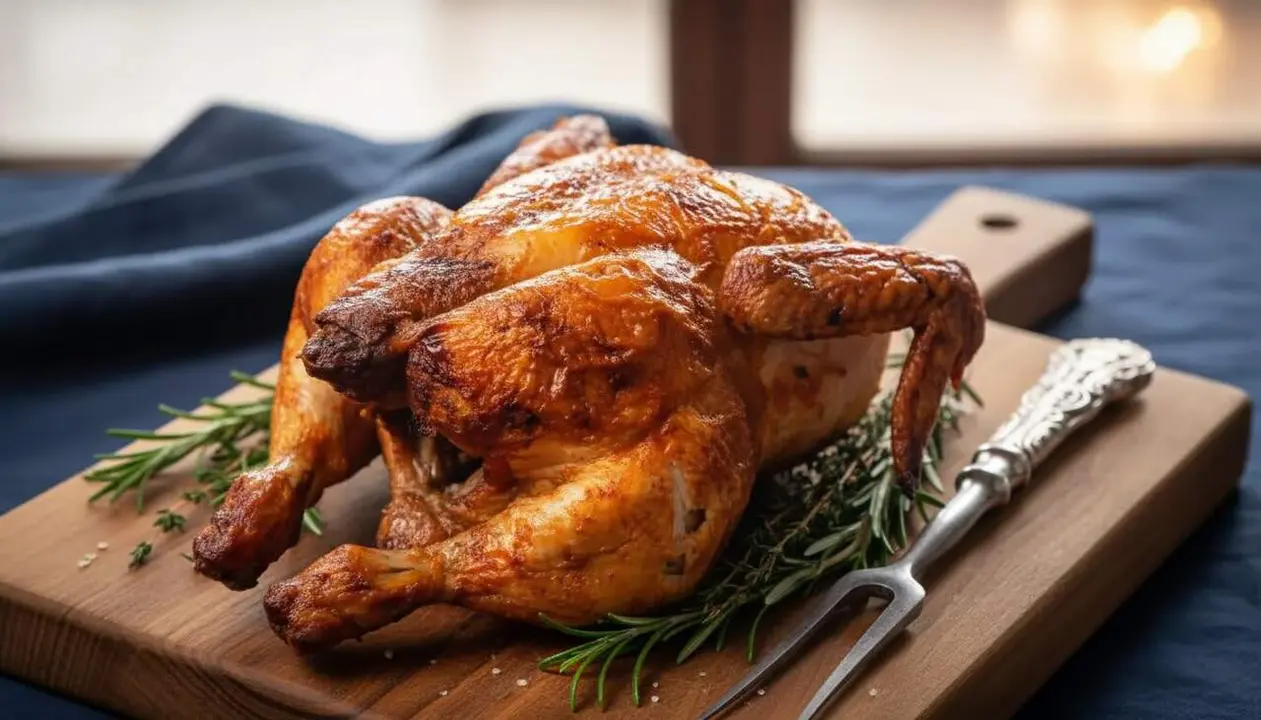

Making a roast chicken seems like an easy and everyday task in any Catalan home, but achieving a juicy bird with crispy skin is not as simple as it looks. Many have faced the disappointment of a dry chicken or one with a dull texture, even though the recipe is the same as always.
However, professionals reveal that there is a key detail that radically changes the final result. It’s not just the oven temperature or cooking time, but a technique that involves a prior soak that results in a chicken with a flavor and texture that will make you forget what you thought a good roast chicken was.
The secret of the brine for a perfect roast chicken
The trick that several renowned chefs recommend is using a brine made of water and 5% salt, where the chicken is submerged for at least 12 hours. This technique, known as brining, allows the meat to absorb liquid and become tender, preventing it from drying out after roasting.
Carlos Gómez, a culinary creator with over 800,000 followers, explains that for each liter of water you should add 50 grams of salt, and this mixture can be flavored with herbs to add more taste. Once the soaking time has passed, the chicken is thoroughly dried and can go directly into the oven or rest uncovered in the refrigerator for 4 to 6 hours to improve the skin’s texture.
The ideal cooking process according to experts
The oven should be turned on to 220ºC for the first 20 minutes to achieve crispy skin, then lower the temperature to 180ºC until the chicken reaches an internal temperature of 74ºC, the point at which the meat is safe and retains its juiciness.
Professional tip: butterfly cut
To achieve an even roast, chefs recommend butterfly cutting the chicken, opening it like a book. This allows heat to penetrate evenly and ensures that every bite is equally juicy.
The 24-hour brining practice and chefs’ variations
The also well-known chef Alfredo Vozmediano, with over a million followers on YouTube, takes the technique a step further and recommends a 24-hour soak in brine with aromatic herbs that help tenderize the meat and prevent the breast from drying out, especially in long roasts.
This method has gone viral and more and more amateur cooks are joining in, proving that patience and prior preparation are key for a professional result.
Why brining makes the difference
Brining acts as a moisture enhancer, resulting in a chicken with a creamy and flavorful texture. Moreover, adding aromas to the water allows you to customize the taste according to your preference or favorite recipe.
How to combine brining with other tricks from renowned chefs
According to Jordi Cruz and Jordi Roca, other nationally recognized experts, taking the chicken out of the refrigerator a few hours before baking and letting it rest once cooked are complementary steps that reinforce this effect. In this regard, you can check their recommendations on paella and Mediterranean cuisine at 2026: Chefs or the advice from Valencian Chefs.
Resting the chicken: the final step for unforgettable flavor and texture
Once out of the oven, resting is vital so the internal juices redistribute and don’t escape when slicing immediately. The chef from El Kiosko recommends a minimum rest of 10 minutes before cutting to ensure the meat retains all its juiciness.
This moment also helps the skin maintain its crispy texture, making the whole dish a complete gastronomic experience, with the contrast between the outer crust and the sweetness of the meat.
Tips to perfectly pair your roast chicken
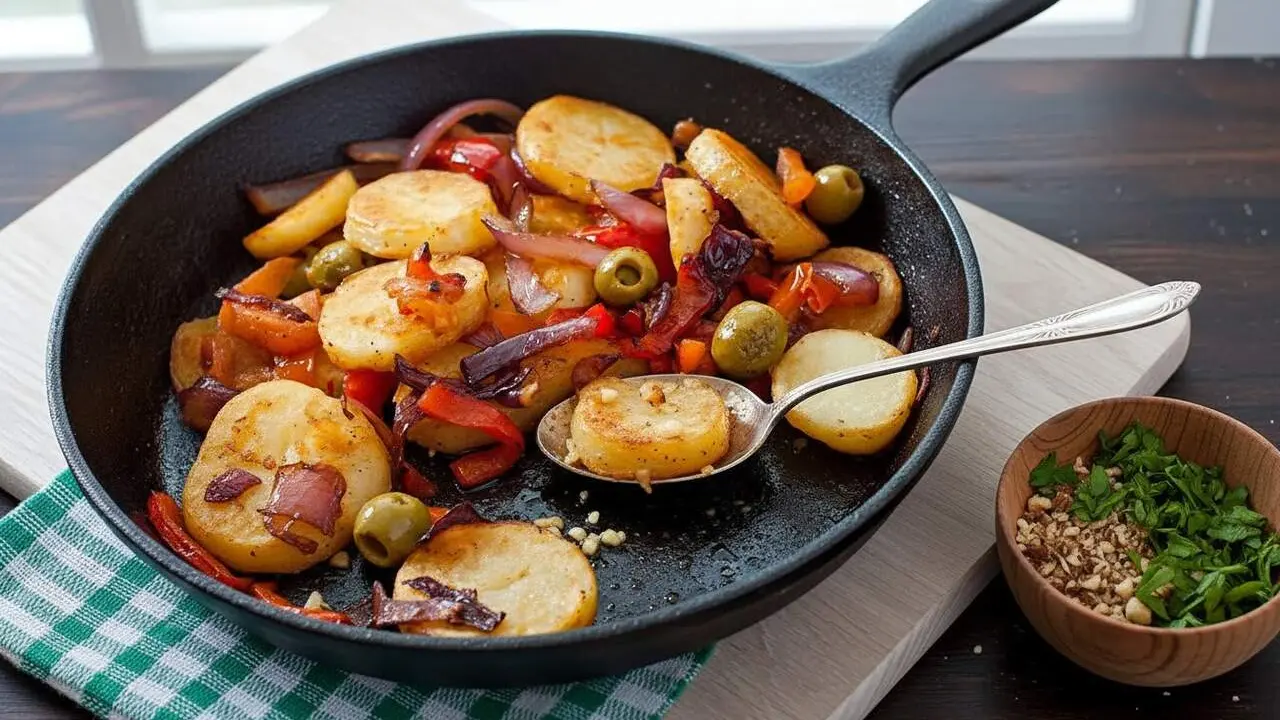
- Serve with well-roasted oven potatoes or escalivada with a touch of extra virgin olive oil.
- Accompany with a fresh Catalan white wine or a well-chilled cava to balance the dish’s intensity.
- Use fresh herbs like rosemary or thyme both in the brine and as a final garnish.
The growing popularity of brining among home cooks
Thanks to videos and tutorials from chefs like Carlos Gómez or Alfredo Vozmediano, the brining technique has spread beyond restaurants, becoming an accessible method for anyone wanting to make a roast chicken deserving of this traditional recipe.
The combination of this kind of advice and constant practice takes any home kitchen to the next level.
The reality is that brined roast chicken is not a mere trend, but an essential step to achieve a dish with juiciness, flavor, and texture worthy of professional chefs.